


Cloth Over Paper Is The Way To Go
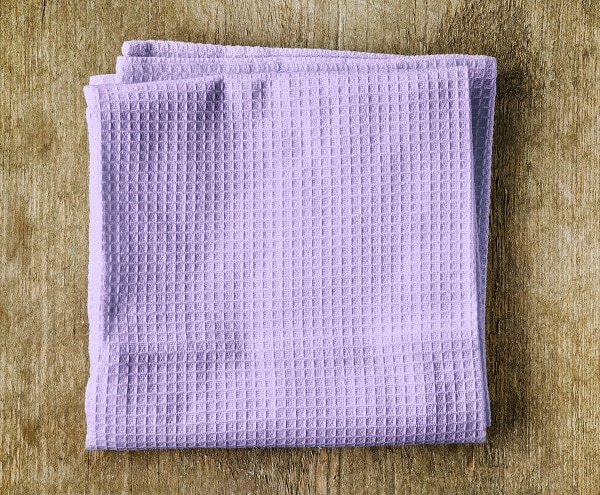
Using a cloth towel instead of a paper towel to clean tabletops, spills, kitchen counters, drying items like veggies, etc., is a great way to switch to an environmentally friendly and low wastage item. It will also help reduce the waste produced in the kitchen as paper happens to be one of the prime waste materials in most kitchens and households.
A single piece of cloth can be washed and used for multiple purposes over an extended period with more efficient results than a paper towel, becoming a cost-effective alternative.
However, it is imperative to notice where to use a cloth and where a paper towel. For, e.g., drying off the raw meat using a fabric is only going to result in a mess, while a paper towel in its place saves you trouble and mess alike.
Do Not Throw Out Your Veggie Trimmings
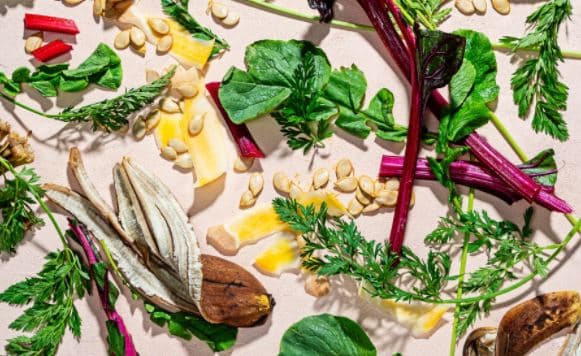
What do you do with your leftover vegetable and fruit bits after you finish meal planning? Though most people might answer, toss them into a bin, have you ever considered stocking them in the freezer for future use, like making vegetable stock or use them as fertilizers for your indoor plants?
The bits may include the vegetable stem, ends, tails, peels, etc., which can be easily added with some other vegetables in a stockpot for a delicious meal with zero waste. And, as far as plants are concerned, if you are unsure whether the bits are edible, dig a little in your plant pot and put them right in. Vegetable leftovers make for a great source of nutrients for plants, enriching the soil quality and more.
Not just this, one can use multiple other items like eggshells, tea waste, coffee grinds, etc., as fuel for the plants as well. However, make sure you research quite well on which item might suit a particular plant as not everything is healthy or digestible for plants.
Reusable Bags Instead Of Plastic Bags

What’s a better way to go eco-friendly than to ditch plastic, especially plastic bags you get whenever buying produce or grocery items from regular shops? Though it is impossible to avoid plastic wraps on things you buy, the least one could do is not to put it in yet another plastic bag to carry back home.
Reusable bags or produce bags are the perfect alternatives to polluting plastic bags, with multiple benefits like cost-effectiveness, durability, avoidance of health hazards due to plastic use, and reduced everyday waste.
Avoid Single Serve-waste

Plastic bottles, straws, single-use utensils, disposable lunch packaging, etc., make for a significant amount of waste that every household puts out each year without being wary of its harm to the environment or the loads of junk it creates.
There are reusable, eco-friendly, healthy, and cost-effective alternatives for all of the items mentioned above and more, which are also easier to manage and use, such as metal straws and containers, reusable water bottles, cloth lunch boxes, etc.
Even the containers that come in with the takeouts you order are perfect for keeping items in the kitchen or planting a new sapling or two, reducing their impact.
Conclusion
Waste produced in a single household might not seem like much, but the significant amount it becomes when added up is not something that no one should overlook. Unlike other home areas, the kitchen is frequented quite often and remains flooded with store-bought goods, not to mention the packaging that comes along.
While it may be impossible for one to go wholly eco-friendly or eliminate waste to absolute zero, some areas can help reduce the amount of waste to a bare minimum.