
The battle against stubborn grease on hard surfaces is one that many know all too well. Whether it’s the kitchen countertop, the garage floor, or even the bathroom tiles, grease can be a pesky opponent. But fear not because getting rid of this unwelcome guest is easier than you might think. This post will guide you through various methods to dissolve grease effectively, from understanding the science behind it to exploring both natural and commercial solutions. So, if you’re tired of scrubbing with little to no results, read on to discover techniques that will make your surfaces gleam like new.
The Science Behind Grease

Grease is not just an unsightly stain; it’s a complex substance that requires a bit of scientific understanding for effective removal. Composed of oils and fats, grease has a knack for adhering to surfaces due to its molecular structure. When grease comes into contact with a surface, it forms a bond that’s not easily broken by water alone. Understanding this science is the first step in choosing the proper cleaning method for your needs.
Armed with the knowledge of what you’re up against, you’re better prepared to tackle the grease problem head-on. Knowing the enemy, as they say, is half the battle won. So, before you grab that sponge and bucket, take a moment to consider what you’re dealing with. This will help you select the most effective method for your specific grease dilemma, saving you both time and effort.
The Power Of Hot Water
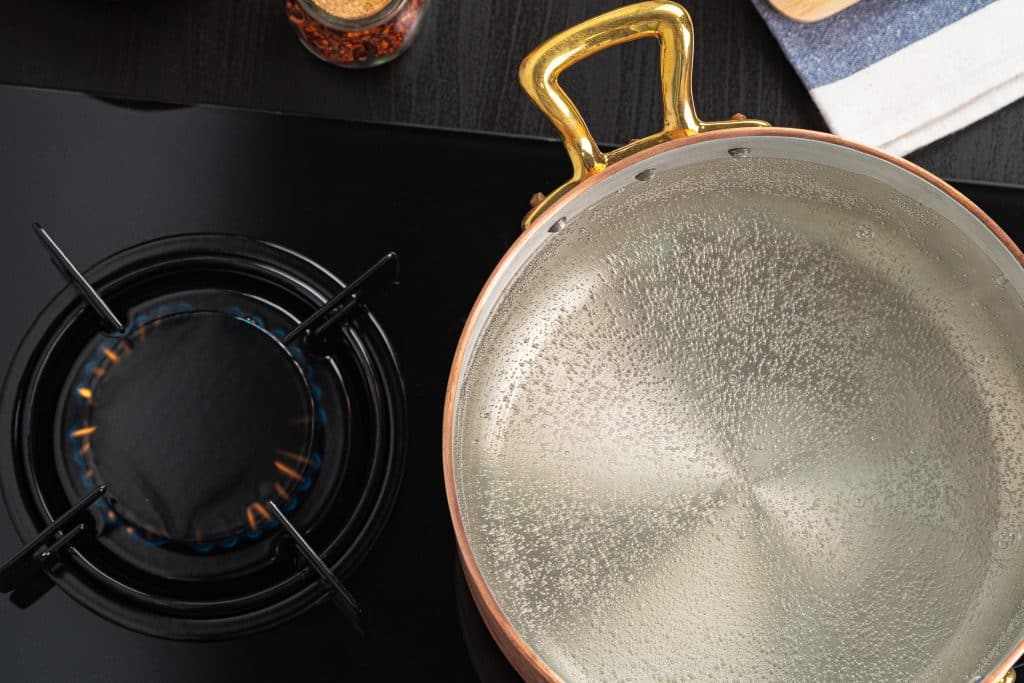
Hot water is more than just a comfort during cold mornings; it’s also a powerful tool against grease. The heat from the water works to loosen the molecular bonds that grease forms with surfaces, making it easier to wipe away. Think of it as softening the enemy lines before launching your full-scale cleaning attack. Hot water is especially effective on metal surfaces like pots, pans, and sinks.
However, using hot water isn’t as simple as turning on the tap and hoping for the best. For optimal results, it’s crucial to use hot water at the right temperature—usually around 130 to 160 degrees Fahrenheit. Apply the hot water directly to the greasy area and let it sit for a few minutes to break down the grease. But be cautious: hot water can cause burns or damage sensitive surfaces, so always handle it carefully and test a small area first.
Dish Soap: Your First Line Of Defense

Dish soap is often the go-to solution for grease removal, and for good reason. The surfactants in dish soap are designed to break down oils and fats, effectively lifting grease off surfaces. When applied correctly, dish soap can make quick work of even the most stubborn grease stains, leaving your surfaces sparkling clean.
To maximize the effectiveness of dish soap, it’s essential to use it in the right way. Apply a generous amount of soap directly to the greasy area and let it sit for a few minutes. Then, use a scrubbing brush or sponge to work the soap into the stain, breaking down the grease further. Rinse thoroughly with hot water to remove any soap residue. For tougher stains, you may need to repeat the process. But remember, not all surfaces are compatible with dish soap, so always read the manufacturer’s guidelines before proceeding.