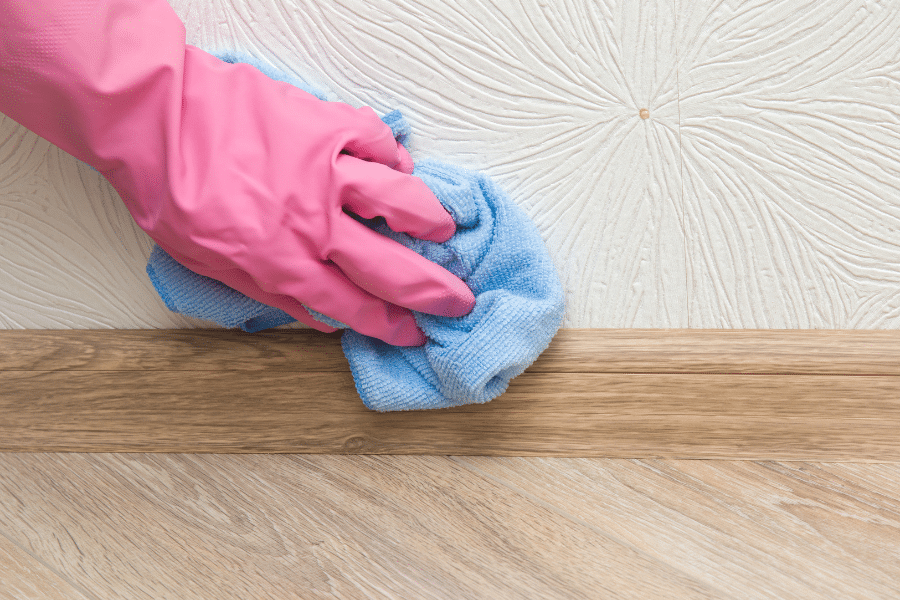
Maintaining spotless walls is more than an aesthetic choice; it’s a testament to a well-kept home or office. Walls are akin to the skin of a building, and stains can diminish their beauty and appeal. Whether these are accidental scribbles, grease marks, or the wear and tear of time, a clean wall can dramatically elevate the ambiance of a space. Understanding the material of the wall and the nature of the stain is crucial in tackling these blemishes effectively. This article dives deep into the techniques and methods to remove wall stains and make them look as good as new.
Understanding Wall Materials

Different wall surfaces require distinct cleaning techniques. It’s not just about scrubbing away with the first cleaning agent on hand. Painted walls, for instance, may respond well to mild detergents, while wallpapered surfaces might require a gentler touch. Then there’s the consideration for walls made of brick, wood, or tile. Each material has its own set of cleaning quirks and susceptibilities.
Materials matter, especially when it comes to stain removal. Think of this as the foundational knowledge that sets the stage for all cleaning endeavors. For instance, a latex-painted wall might be slightly more forgiving to rigorous scrubbing than a delicate wallpaper. By identifying the wall type, one can tailor the cleaning strategy to be both effective and gentle, ensuring the wall’s longevity and aesthetics remain intact.
Common Causes of Wall Stains
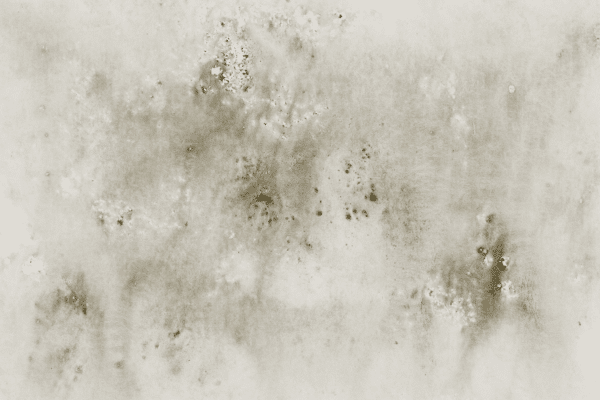
Stains aren’t just unsightly marks; they’re stories of accidents, spills, and sometimes sheer carelessness. From the innocent crayon artwork of a toddler to the inadvertent splash of tomato sauce, the origins of wall stains are myriad. It’s also crucial to recognize that certain areas, like the kitchen or bathroom, are more prone to specific types of stains, such as grease or mold, respectively.
Understanding the cause is the first step towards effective removal. It’s akin to solving a mystery; once the culprit is known, it becomes easier to address the issue. For instance, knowing that a mark is from a watercolor painting allows for a different approach than if it were an oil-based stain. This section unravels the most frequent offenders, paving the way for targeted and efficient cleaning in the subsequent segments.
Everyday Household Solutions

Households often hold hidden treasures that double as effective cleaning agents. Common kitchen items, from baking soda to vinegar, can sometimes outperform commercial cleaners. For example, a paste made of baking soda and water can work wonders on crayon marks, while diluted white vinegar can be effective in tackling light mold stains.
Dish soap, a staple in most kitchens, is another unsung hero in the world of stain removal. Its grease-fighting properties make it perfect for addressing stubborn spots in high-traffic areas, such as kitchens and hallways. By mixing a few drops of dish soap in warm water and using a soft cloth, many surface stains on walls can be gently and effectively lifted.
