

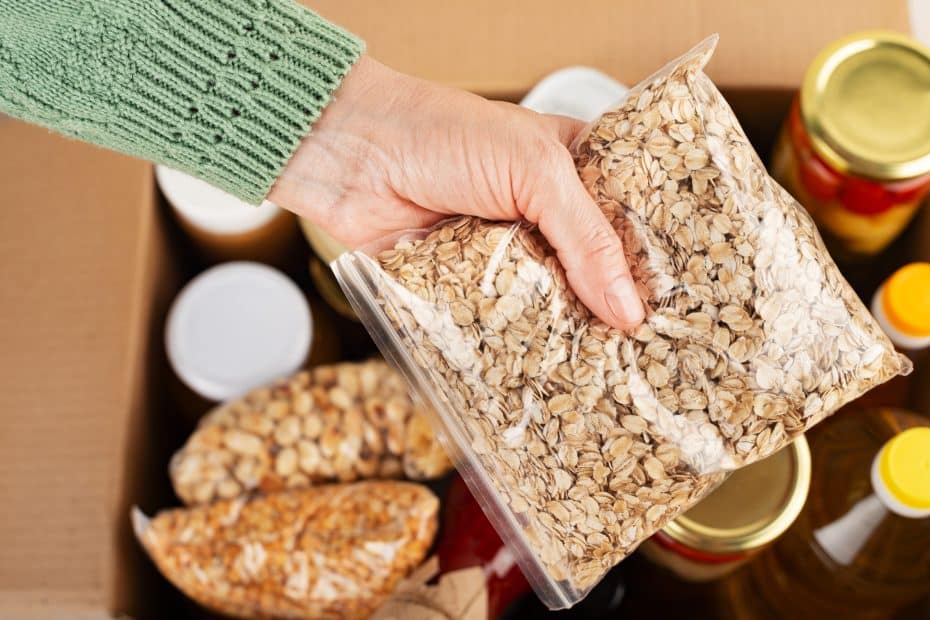
Essential Pantry Items
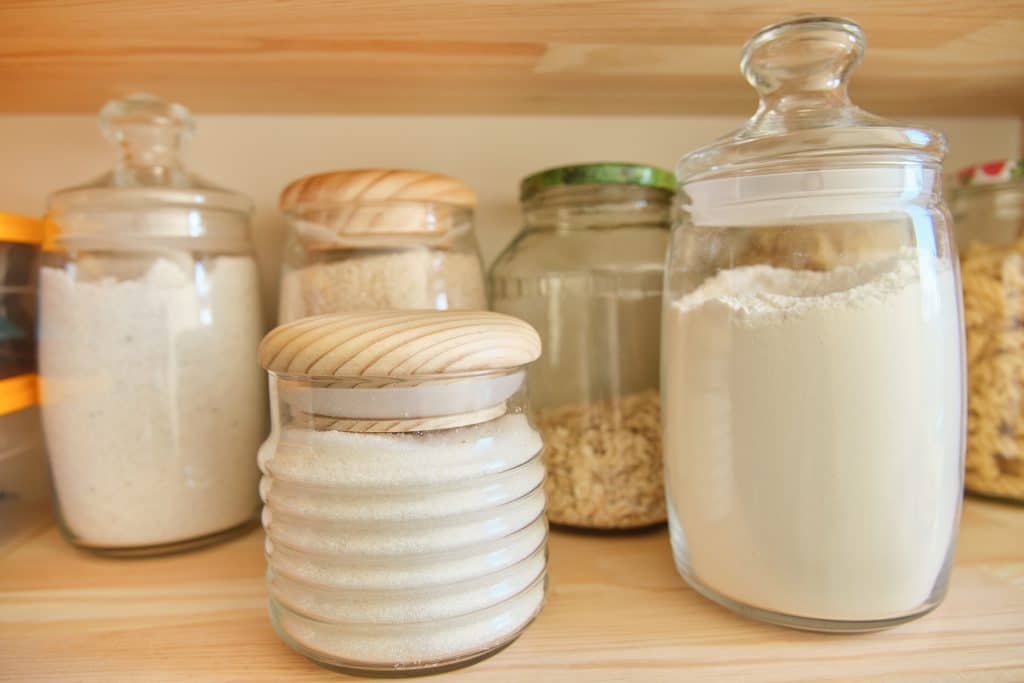
Salt, sugar, and cooking oils are the unsung heroes of your emergency food storage. Salt is not just a flavor enhancer; it’s also essential for preserving foods and even for certain first-aid treatments. Sugar serves multiple purposes, from providing a quick energy boost to being a key ingredient in baking. Cooking oils like olive oil and canola oil are crucial for frying and sautéing, and they can also be used in baking.
When selecting oils, consider those with a high smoke point and long shelf life. Coconut oil and olive oil are good options. Also, don’t forget other pantry staples like baking powder, spices, and vinegar. These items may not provide significant nutritional value but are invaluable for cooking and preserving food. Having a well-stocked pantry of these items complements your main food supplies and ensures you can prepare a variety of meals.
Hydration Essentials

Water is the most critical element of any emergency food and drink supply. The general recommendation is to store at least one gallon of water per person per day for both drinking and sanitation. Bottled water is the most straightforward option, but water purification tablets and filters can also be useful for treating water from uncertain sources.
Electrolyte drinks like sports beverages can be beneficial for quick hydration and replenishing lost minerals. Tea and coffee not only provide a caffeine boost but also offer a sense of comfort, which can be invaluable in stressful situations. While water should be your primary focus, having various hydration options can make life more bearable during an emergency.
Specialty Items

If you have infants, elderly family members, or pets, your emergency food storage needs to include specialty items. Baby food and formula are critical for the youngest members of your household. For older adults who may have specific dietary needs or difficulty eating certain foods, consider softer, easy-to-digest options.
Pet food is another specialty item that shouldn’t be overlooked. Your pets have nutritional needs that must be met, even in an emergency. Also, consider any family members with dietary restrictions, such as gluten intolerance or food allergies. Stock up on gluten-free or allergy-safe foods to ensure everyone’s needs are covered. Specialty items may require a bit more planning, but they are crucial for a comprehensive emergency food supply.
Proper Storage Techniques

Storing your emergency food in a cool, dark place is essential for maximizing its shelf life. Temperature fluctuations and exposure to light can degrade food quality and even make it unsafe to eat. Vacuum sealing can further extend the shelf life of many foods, from grains to meats, by removing air that can lead to spoilage.
Keeping track of expiration dates and rotating your stock is another key aspect of proper food storage. Use the “first-in, first-out” method to ensure you’re consuming older items before newer ones. Labeling items with purchase dates can help you keep track more easily. Proper storage is the final piece of the puzzle in your emergency food preparation plan.
Be Prepared With These Bulk Items!
Ready to face any emergency, you’re now armed with a robust food storage plan that covers all the bases—from grains and proteins to hydration and specialty items. Don’t underestimate the importance of proper storage techniques; they’re the linchpin in ensuring your supplies stand the test of time. So, take action today. Build your emergency food stockpile and relish the confidence that comes from knowing you’re prepared for whatever challenges lie ahead.