


Camphor Oil: Toxicity Concerns
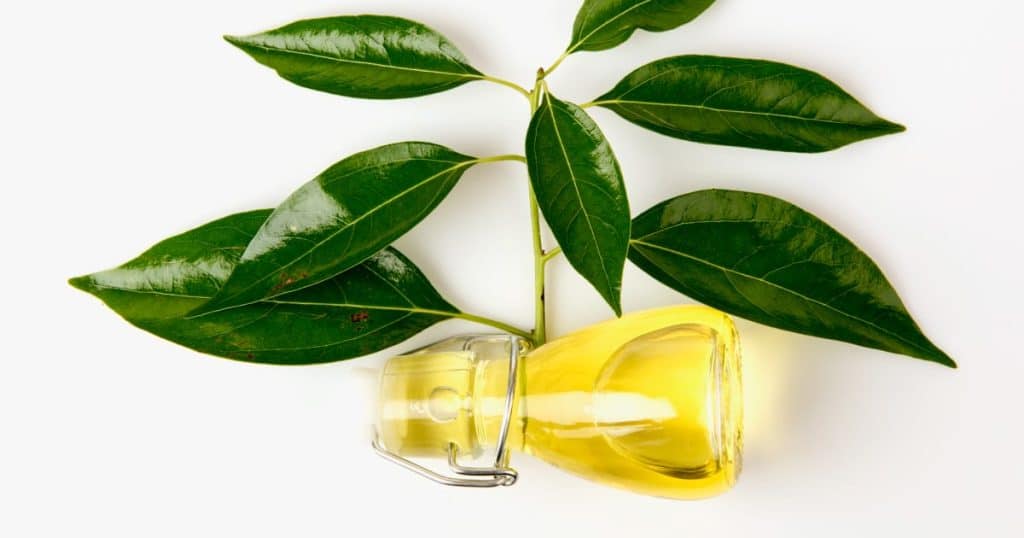
Camphor, an ingredient in many medicinal and aromatic products, possesses a distinctive smell and cooling sensation. However, its toxicity, particularly when ingested or absorbed through the skin, raises significant health concerns. Symptoms of camphor poisoning include nausea, vomiting, and, in severe cases, seizure.
The risks associated with camphor oil make it imperative to seek alternatives for relaxation and cold relief. Essential oils like lavender and rosemary provide therapeutic benefits without toxic effects, ensuring the safety of all household members, especially children.
Tea Tree Oil: A Cautionary Tale
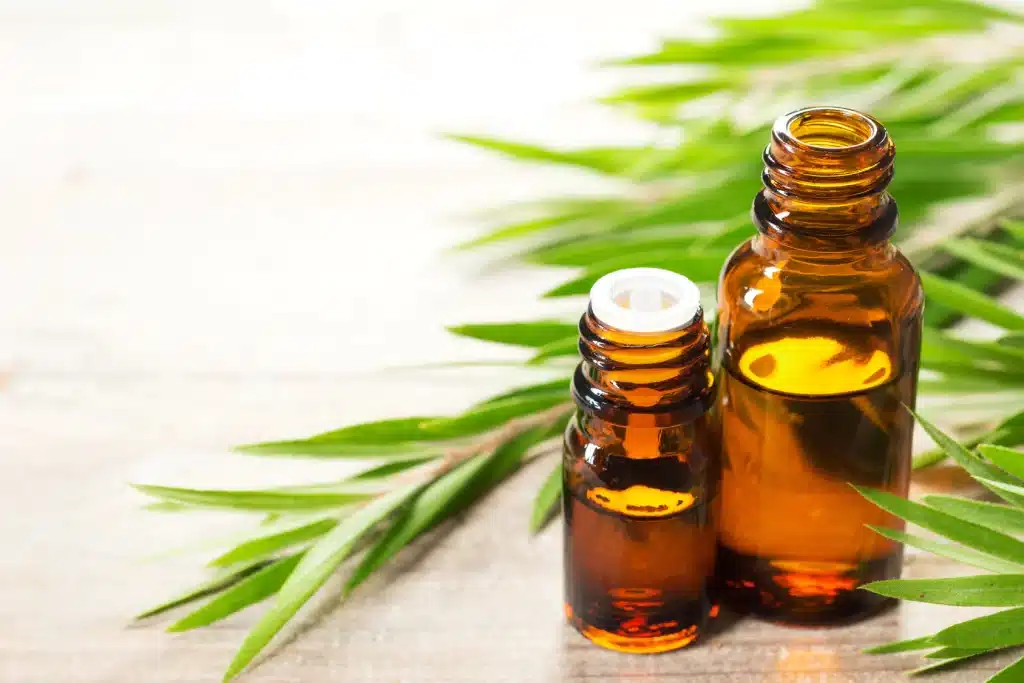
Tea tree oil, often touted for its antiseptic properties, can be toxic to pets, particularly cats and dogs if ingested or applied topically in undiluted form. Symptoms of toxicity include weakness, incoordination, and muscle tremors, highlighting the need for caution in its use.
The popularity of tea tree oil for its health benefits must be balanced with awareness of its potential dangers. Alternatives that offer antiseptic benefits without the risk to pets include chamomile and lavender oils, ensuring the health and safety of all household members.
Cinnamon Oil: Powerful but Problematic

Cinnamon oil, with its warm, inviting scent, is a popular choice for home aromatherapy. However, its powerful nature can also cause skin irritation and allergic reactions when used topically or diffused in high concentrations. The mucous membranes are particularly susceptible to irritation, leading to discomfort and potential respiratory issues.
The allure of cinnamon oil’s aroma and its associated warm feelings should be weighed against these potential adverse effects. Safer alternatives, such as sweet orange or cardamom essential oils, can evoke a similarly cozy atmosphere without the risk of irritation, making them more suitable for use in a home environment.
Pennyroyal Oil: Extremely Hazardous

Pennyroyal oil, derived from the pennyroyal plant, has been historically used for its flea-repelling properties and as a natural pest deterrent. However, its toxic effects, especially on pregnant women and pets, cannot be overstated. Ingestion or topical application can lead to severe liver and nervous system damage, highlighting its dangers in a domestic setting.
Given the extreme risks associated with pennyroyal oil, its use should be avoided entirely. Safer pest control alternatives include cedarwood and lemongrass essential oils, which offer effective insect-repelling properties without hazardous side effects. These oils ensure a safer home environment for everyone, especially the most vulnerable.
Final Thoughts
Navigating the world of essential oils requires not only an appreciation for their aromatic and therapeutic benefits but also an awareness of their potential risks. This article has highlighted several essential oils that, despite their popular uses, pose risks when used in domestic settings. By opting for safer alternatives and exercising caution, especially around vulnerable populations such as children and pets, one can enjoy the benefits of essential oils without compromising safety. It’s crucial to research and consult professionals when incorporating essential oils into your home, ensuring a safe and harmonious environment for all.