

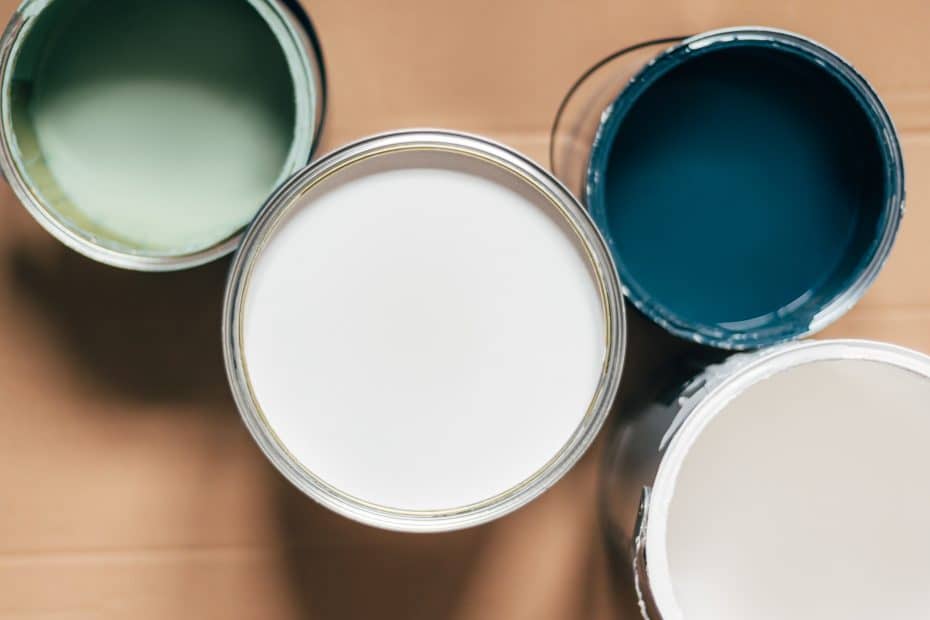
You’ve just completed a home renovation project, and the walls look stunning in their fresh coat of paint. But now you’re left with a dilemma: what to do with the leftover paint? Tossing it out seems wasteful, but keeping it incorrectly could ruin its quality. The goal of this post is to solve that problem by guiding you through everything you need to know about storing leftover paint. From understanding the types of paint and their specific storage needs to periodic checks and proper disposal, this comprehensive guide has got you covered. So, let’s dive right in and ensure your paint stays fresh!
Types Of Paint And Their Storage Needs

Different types of paint require different storage conditions to maintain their quality. Water-based paints, for example, are generally more forgiving when it comes to temperature fluctuations. They can be stored in a cool, dry place away from direct sunlight. The shelf life of water-based paints can extend up to 10 years if stored correctly, making them an excellent option for future touch-ups or new projects.
Oil-based paints, on the other hand, are a bit more finicky. These paints require a well-ventilated area and should be kept away from extreme temperatures. Exposure to heat or cold can cause the paint to separate or even become unusable. The shelf life of oil-based paints is generally shorter, ranging from 2 to 5 years. Knowing the type of paint you have is essential because it sets the stage for how you prepare it for storage.
Preparing Paint For Storage
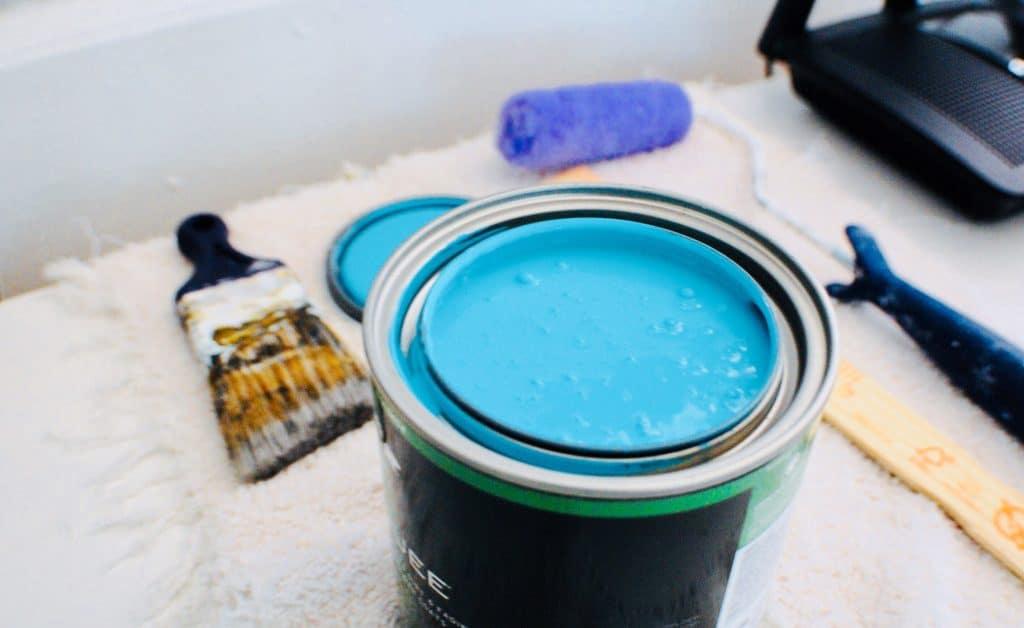
Before you stash away those paint cans, a few preparatory steps are in order. First, clean the rim of the can to ensure a tight seal. Any dried or excess paint on the rim can prevent the lid from closing properly, allowing air to seep in and compromise the paint’s quality. Use a paintbrush or cloth to wipe away any residue, ensuring a clean surface for the lid to adhere to.
Next, give the paint a good stir. This ensures the paint’s components are well-mixed, leading to better storage conditions. If the paint has separated a bit, stirring will bring it back to a consistent state, ready for future use. Once the paint is prepared, the next step is to choose the right container for storage, which is crucial for maintaining its longevity.
Choosing The Right Container
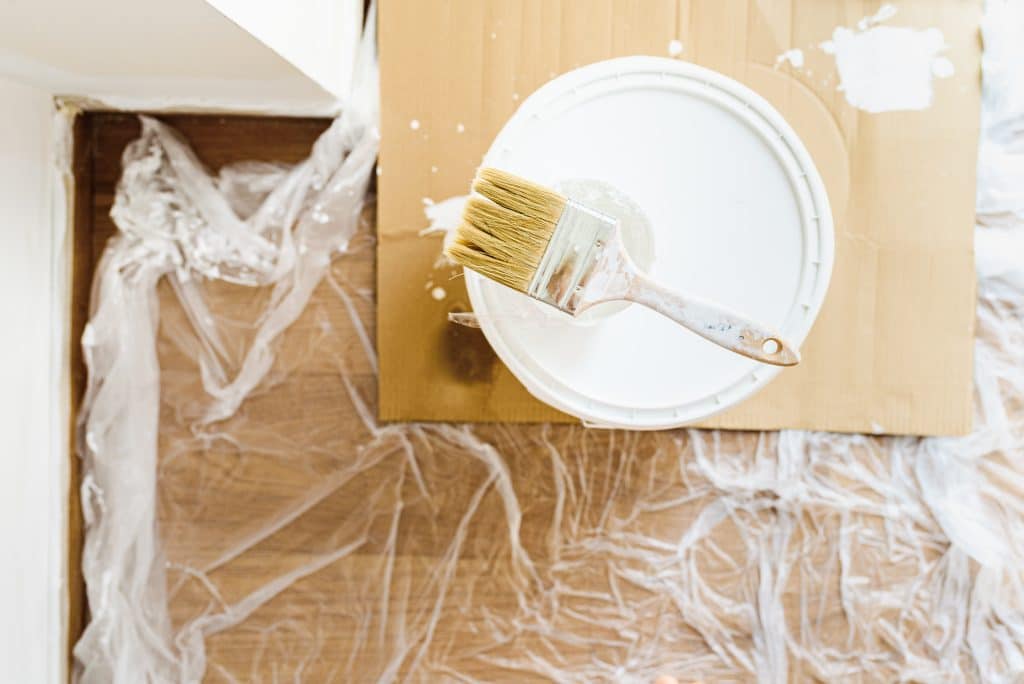
When it comes to storing paint, the container you choose can make a significant difference. Using the original can is often the best option, especially if it’s still in good condition. The original can is designed to keep the paint in optimal condition, and it already has all the necessary labeling, such as color and type.
However, if the original can is damaged or rusting, plastic containers or glass jars can be good alternatives. Plastic containers are lightweight and easy to handle, but make sure they are airtight to prevent the paint from drying out. Glass jars are excellent for small amounts of paint and allow you to see the color easily, but they can break, so handle them with care.