

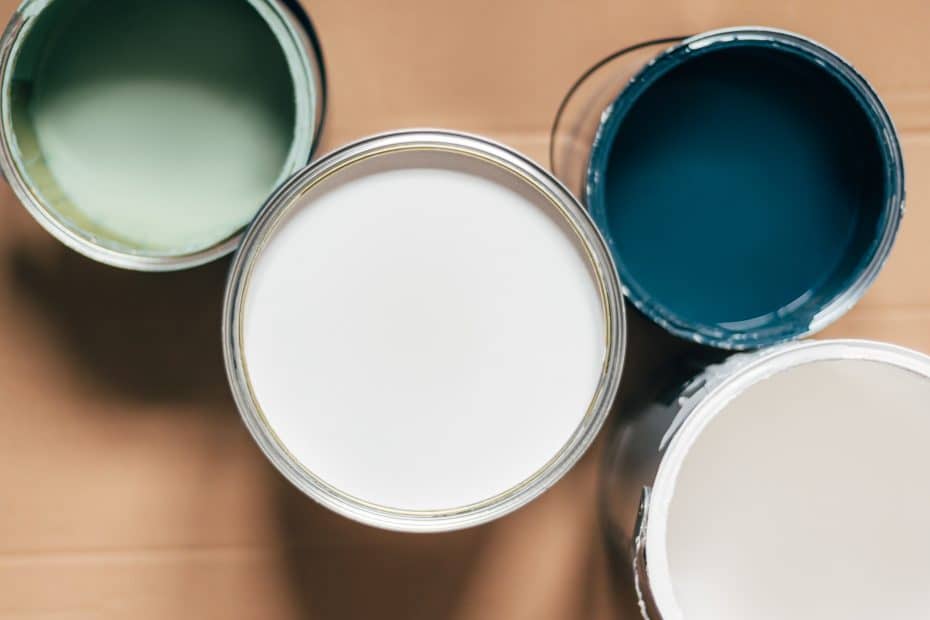
Labeling Your Paint Containers
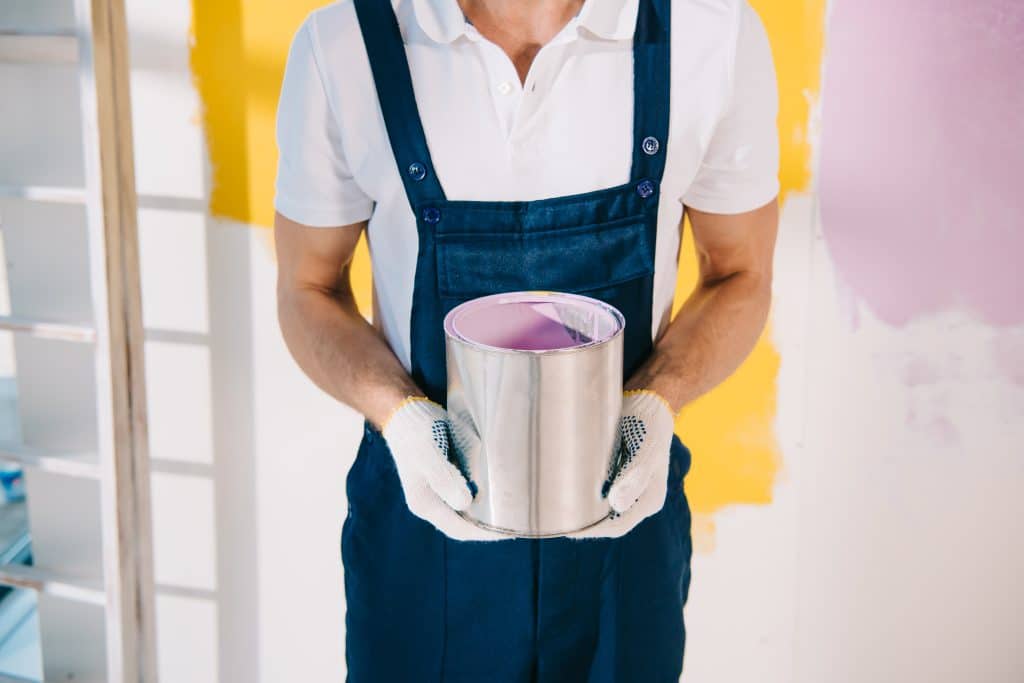
You might think you’ll remember that “Mystic Blue” is for the bathroom and “Sunset Orange” is for the kitchen, but memories fade. That’s why labeling your paint containers is essential. Write down the color, type of paint, and date of purchase. You can even add a small swatch of the paint color on the label for easier identification.
Labeling is not just for your convenience; it’s also a safety measure. If you ever decide to dispose of the paint, proper labeling will help waste management services handle it appropriately. With your paint now labeled, you’re ready to focus on the actual storage conditions, ensuring that your leftover paint remains in top-notch condition for future use.
Ideal Storage Conditions

The environment in which you store your paint can significantly affect its longevity. Temperature plays a crucial role; for most paints, a cool, dry place with a consistent temperature between 60-80°F is ideal. Extreme temperatures can cause the paint to freeze or separate, rendering it unusable. Humidity is another factor to consider; high humidity levels can lead to mold and mildew, compromising the paint’s quality.
Light exposure is often overlooked but can be detrimental to the paint’s color and composition. While most paints are formulated to withstand light exposure when applied to walls, the same doesn’t hold true for paint in storage. Keeping your paint in a dark place helps maintain its original color and consistency.
Periodic Checks And Maintenance
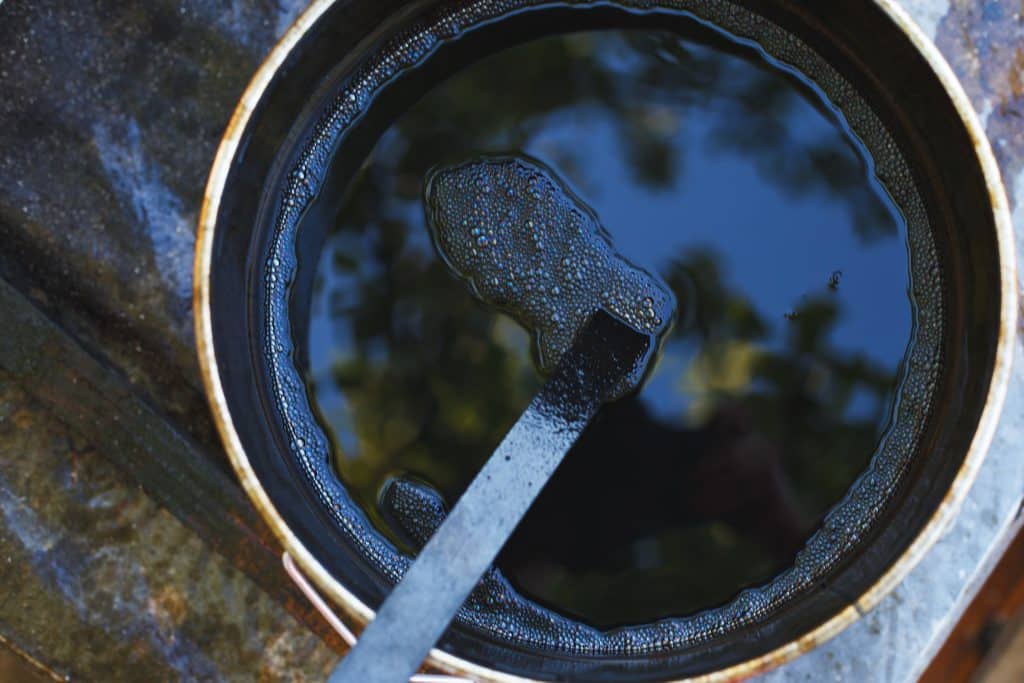
Even with ideal storage conditions, it’s crucial to check your paint from time to time. Look for signs of good paint, such as consistent color, a smooth texture, and a lack of foul odors. If the paint still mixes well when stirred, that’s a good indicator of its usability. On the other hand, if you notice any separation that doesn’t resolve with stirring, a foul odor or mold, it’s time to dispose of the paint.
Regular maintenance can extend the life of your paint. If you notice a film forming on the top, remove it to prevent it from mixing with the rest of the paint. Keep the rim clean and the lid tightly sealed to prevent air from entering the container. With these checks, you’ll know when your paint is still good and when it’s time to say goodbye, which leads to the final topic: disposal.
When And How To Dispose Of Leftover Paint

Disposing of paint isn’t as simple as throwing it in the trash. There are local and federal guidelines to consider, as improper disposal can be harmful to the environment. Always check your local regulations for disposing of paint. Some areas have designated drop-off locations for hazardous waste, while others may offer recycling programs for unused paint.
If your paint is still in good condition, consider donating it. Many organizations, such as schools or community centers, can make good use of leftover paint for their projects. If recycling or donation isn’t an option, follow the proper disposal methods outlined by your local waste management services. Proper disposal ensures that you’re adhering to environmental guidelines while making room for new paint supplies.
Ensuring The Longevity Of Your Stored Paint
Storing leftover paint is more than just a post-project afterthought; it’s a meticulous process that ensures you’re ready for future touch-ups or new creative endeavors. You’ve learned about the importance of preparation, the ideal conditions for storage, and even the responsible ways to dispose of paint. With this newfound knowledge, you’re not just storing paint; you’re preserving the potential for your next masterpiece. So go ahead, store that leftover paint with confidence, and who knows what your next project will bring!