
Selecting the ideal comforter for your bed is about more than just aesthetics. It’s a decision that impacts sleep quality, bedroom ambiance, and even health. With myriad options in materials, weights, sizes, and designs available, the process can be daunting. The goal of this post is to shed light on the various aspects to consider, ensuring your choice brings warmth, comfort, and a touch of style to your sanctuary.
Types Of Comforters

The marketplace offers a plethora of comforter types, each boasting its unique set of advantages. Down comforters, sourced from the fluffy undercoat of ducks and geese, are cherished for their lightweight insulation and breathability. Synthetic alternatives, such as polyester fill, often come at a more affordable price point, are hypoallergenic, and easy to care for. Cotton comforters provide natural breathability and are ideal for those who prefer cooler sleeping temperatures. Lastly, wool, with its moisture-wicking capabilities, offers a perfect blend of warmth during winter and coolness during summer.
Material choice is paramount as it determines the comfort, warmth, and longevity of the product. For instance, while down comforters might be plush and insulating, they might not be suitable for someone prone to allergies. On the flip side, while synthetic options are great for those with sensitivities and often come with a friendlier price tag, they may not offer the same luxe feel or durability as natural fillings. When choosing, it’s essential to weigh the pros and cons to find the material that aligns best with personal needs and preferences.
Size And Fit

One might assume that a queen-sized bed automatically requires a queen-sized comforter, but it’s not always that straightforward. The drop, or how much the comforter hangs over the sides of the bed, varies among brands and styles. Some individuals prefer a more generous drop to ensure the bed is fully covered, especially if sharing the bed with a partner who’s notorious for stealing the covers.
Additionally, while standard sizes typically suffice for most, there’s a growing trend towards oversized comforters. These provide extra coverage, ensuring no cold drafts sneak in during the night. They also add an element of luxury, making the bed appear even more inviting. However, oversized comforters might require special care when cleaning due to their bulk. When determining the perfect size and fit, one should consider not only the dimensions of the bed but also personal sleeping habits and aesthetic preferences.
Warmth And Weight
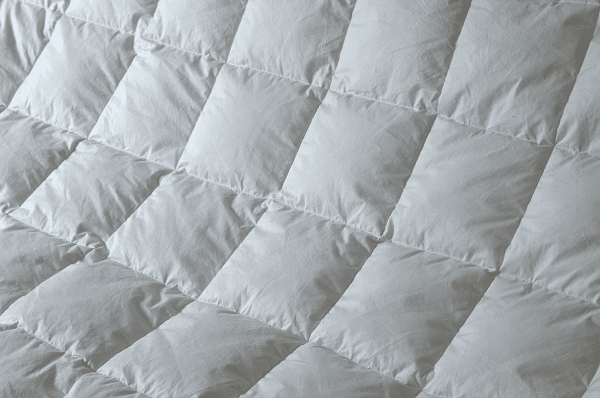
Comforters come in a range of weights, designed to cater to various climates and individual warmth preferences. Summer-weight comforters, for example, are lighter and ideal for warmer months or for those who tend to sleep hot. Winter-weight comforters are thicker and filled more generously, providing the necessary insulation against colder temperatures. Then there are all-season comforters, designed to strike a balance, making them suitable for year-round use in moderate climates.
One’s geographical location, home insulation, and personal comfort zone play pivotal roles in this decision. For those residing in temperate zones, an all-season comforter might be apt. However, if one lives in areas with pronounced seasonal temperature shifts, it might be wise to invest in both summer and winter variants. Ensuring the right warmth and weight is crucial for a restful sleep, as being too hot or too cold can lead to frequent nighttime awakenings.