


Gather Tools To Remove The Water

The next thing you need to do is gather the necessary tools to remove the water as quickly and efficiently as possible. A wet/dry vacuum is a must-have, as it can suck up large amounts of water and even small debris. A sump pump can also be helpful for larger floods, as it pumps the water out of your basement and can be hooked up to a hose for easy disposal.
Additionally, having a few heavy-duty towels, a mop, and a bucket on standby can be helpful in tackling smaller pools of water. By having these tools at the ready, removing the water will be much easier and less time-consuming.
Suck Up As Much Water As You Can

With your arsenal of tools, it’s time to start sucking up as much water as possible. Start with the wet/dry vacuum and move onto the sump pump if needed. Once most of the water has been removed, mop up any remaining puddles and use heavy-duty towels to dry out damp spots or absorb excess moisture.
This process may take some time, so be sure to be patient and thorough. Check behind furniture and other large items, as water can easily get trapped in these spots. You may also want to use a dehumidifier to help suck up the moisture in the air.
Assess The Damage
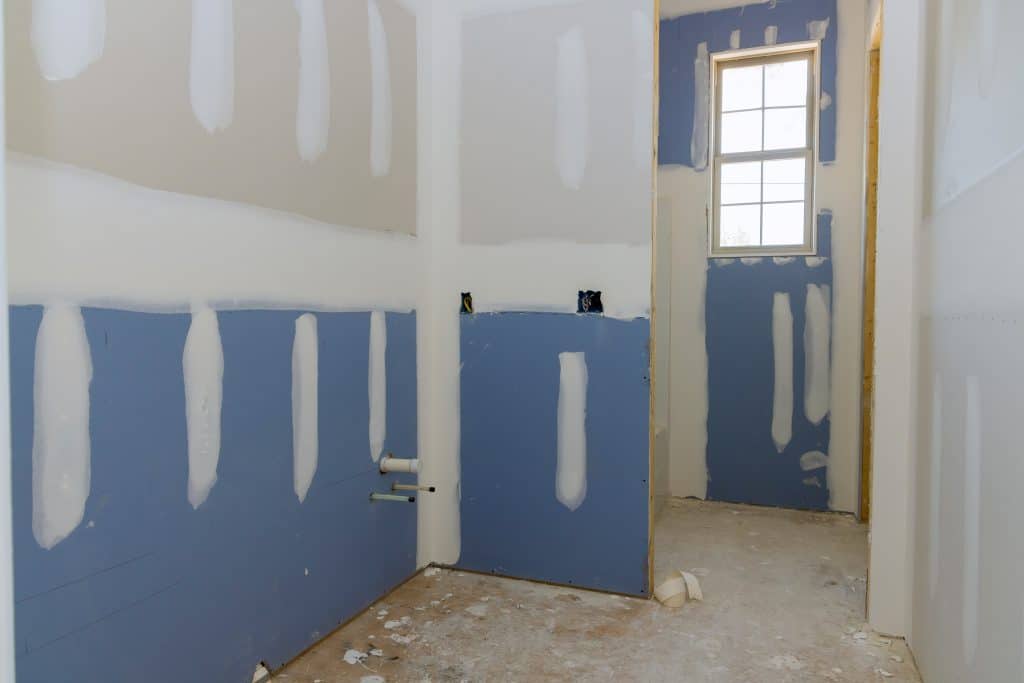
After removing most of the water and allowing your basement to dry out, it’s time to assess the damage. Look for any signs of structural damage or mold growth, as these can be serious issues that require professional attention. If you suspect there is significant damage, contact a contractor right away.
Also, check anything that has been in contact with the flood waters, as it may need to be thrown away. Items like furniture, carpets, and clothing can harbor bacteria and other contaminants that could make you sick.
Clean Up & Disinfect

Once all the water has been removed and the damage assessed, it’s time to start cleaning up the affected area. Begin by removing any debris or furniture that was affected by the flood, then use an appropriate cleaning solution to disinfect and remove any lingering bacteria. Make sure to pay special attention to areas like baseboards and corners, as these are prime targets for mold growth.
Be sure to wear protective gear like gloves and a face mask while you clean, as the flood waters may contain hazardous materials. After cleaning up everything, monitor the affected area for any signs of mold growth over the next few days.
Add Some Preventative Measures
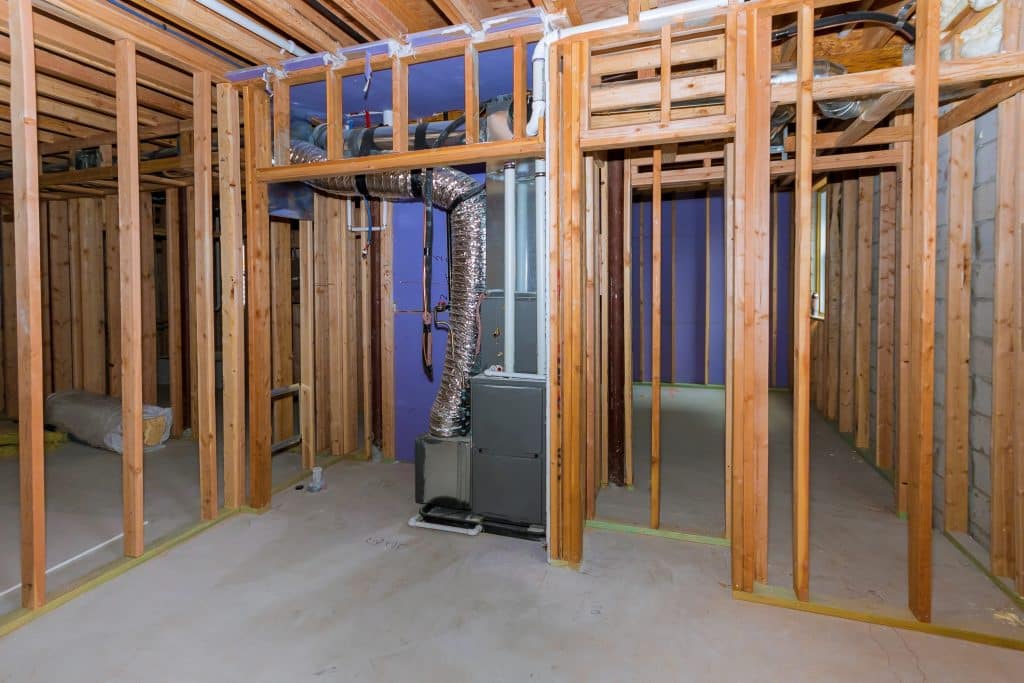
Finally, once the cleanup is complete, it’s a good idea to implement some preventative measures. Check your plumbing system for any signs of blockages or weak spots, and consider installing a sump pump if you don’t already have one. Additionally, consider sealing up any cracks in your foundation to help prevent water from seeping in.
If you want to go the extra mile, you can also install a backup generator or a flood alarm system to help alert you in the event of future floods. These options may require some extra work and money, but they can be invaluable in providing you with peace of mind.
Know How To Handle A Flood In Your Basement!
Knowing how to handle a flood in your basement can be a lifesaver. With the right tools on hand and taking the proper steps, you can quickly and effectively remove any water and start cleaning up the damage. Just remember to assess the situation properly and take the necessary precautions to ensure your safety. With some patience and hard work, you can ensure your basement is dry and free of hazardous materials.