
Contents
Light Requirements and Placement
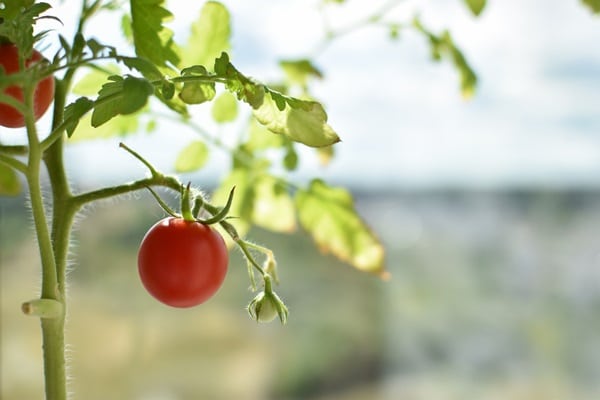
Proper lighting is crucial for plant growth, as it drives the process of photosynthesis. Each plant has specific light requirements, ranging from full sun to partial shade to low light conditions. For instance, sun-loving plants like tomatoes need at least six hours of direct sunlight daily, whereas low-light plants like pothos can thrive with just a few hours of indirect light. Knowing the light preferences of your plants and placing them accordingly will help ensure they get the necessary energy to grow.
In addition to natural light, artificial lighting can be a valuable tool, especially for indoor plants. Grow lights come in various types, such as fluorescent, LED, and incandescent, each offering different light spectrums suitable for plant growth. Positioning grow lights correctly and setting them on timers can mimic natural light cycles, promoting healthy development. Adjusting light exposure with seasonal changes is also important; for example, extending light duration during shorter winter days can help maintain plant health and growth.
Fertilizing for Optimal Growth

Nutrients are essential for plant health, and fertilizing is a key practice to ensure plants receive the necessary elements for growth. There are various types of fertilizers, including organic options like compost and manure and synthetic ones that come in granular or liquid forms. Understanding the N-P-K (nitrogen, phosphorus, potassium) ratios on fertilizer labels will help you choose the right product for your plants’ specific needs. For example, leafy greens benefit from higher nitrogen levels, while flowering plants require more phosphorus.
Timing and frequency of fertilizing are critical to avoid overfeeding or underfeeding your plants. Most plants do well with a balanced fertilizing schedule during their active growing seasons, typically spring and summer. Signs of nutrient deficiencies, such as yellowing leaves or stunted growth, indicate the need for fertilization adjustments. By observing your plants and responding to their nutritional needs, you can promote vigorous growth and abundant yields.
Pruning and Trimming Techniques

Regular pruning and trimming are vital practices to maintain plant health and aesthetics. Pruning helps remove dead or diseased parts, encourages new growth, and shapes the plant. Different plants require different pruning techniques; for example, deadheading spent flowers on annuals can prolong blooming, while pruning fruit trees involves removing excess branches to improve air circulation and sunlight penetration. Understanding the specific needs of each plant type ensures effective pruning.
Using the right tools for pruning is equally important. Sharp, clean tools prevent damage and reduce the risk of disease transmission. Secateurs, loppers, and pruning saws are common tools that cater to various pruning needs. Regularly sanitizing these tools between uses is crucial to maintaining plant health. With proper techniques and tools, pruning can significantly enhance the vitality and appearance of your plants, contributing to a thriving garden.
Pest and Disease Management
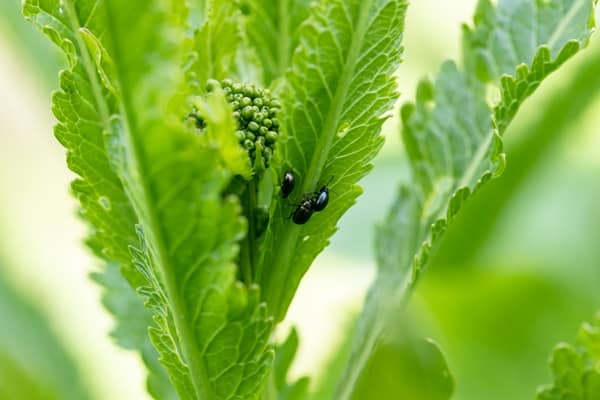
Managing pests and diseases is crucial for maintaining plant health and preventing damage. Common pests like aphids, spider mites, and caterpillars can quickly infest plants, causing significant harm. Identifying these pests early through regular inspections is essential. Look for signs such as chewed leaves, discolored spots, or webbing on the plants. Implementing integrated pest management (IPM) strategies, which combine biological, cultural, and chemical controls, can effectively keep pest populations under control.
Diseases caused by fungi, bacteria, and viruses can also threaten plant health. Common plant diseases include powdery mildew, root rot, and blight. Preventative measures, such as proper spacing for air circulation, avoiding overhead watering, and using disease-resistant plant varieties, are vital. When diseases do occur, removing and destroying affected plant parts and applying appropriate fungicides or bactericides can help manage the spread. Staying vigilant and proactive in pest and disease management will ensure your plants remain healthy and productive.
Flourishing Gardens Await
By understanding each plant’s specific needs, maintaining soil health, employing proper watering techniques, and ensuring adequate light, your garden will flourish. Additionally, regular fertilizing, strategic pruning, and vigilant pest and disease management are essential practices that will promote vibrant and healthy growth. Embrace these guidelines, stay informed about new trends, and enjoy the beauty and rewards of a well-cared-for garden. Here’s to a year of thriving plants and flourishing gardens!