

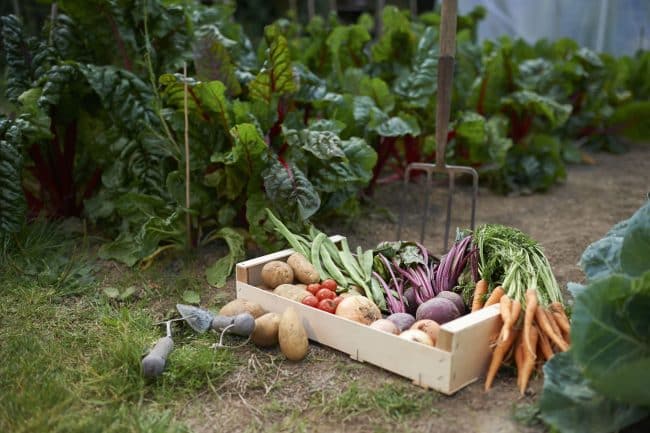
Planting Basics
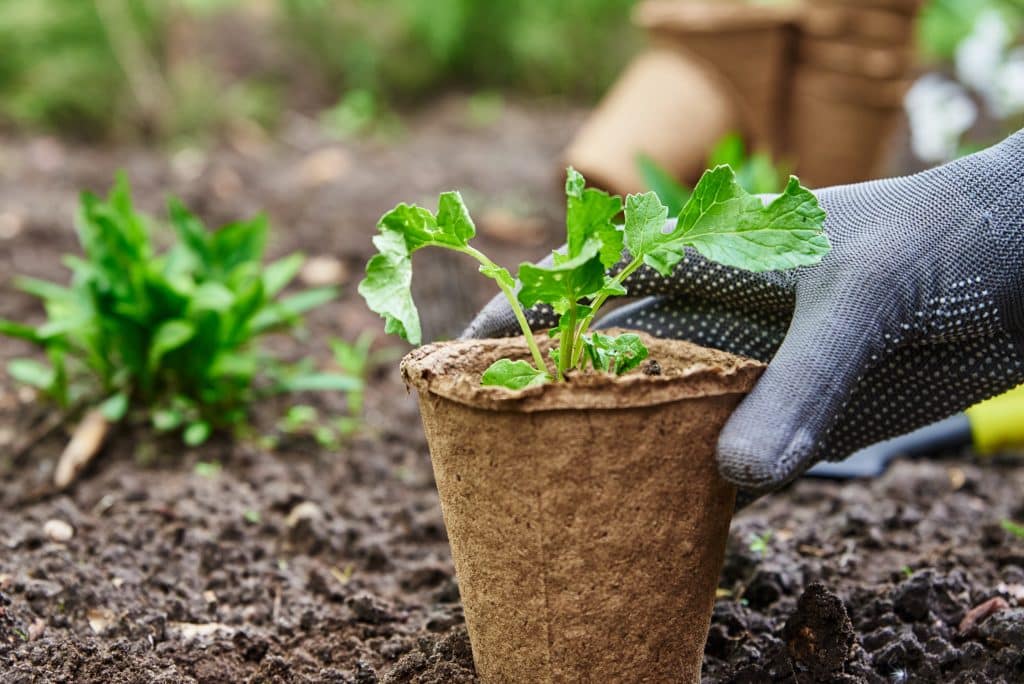
When it comes to planting, there are two primary routes: using seeds or young plants. Seeds are often cheaper and provide a broader variety of options. However, they require more time and patience, as they need to germinate and grow. On the other hand, young plants or seedlings offer a head start. They are especially beneficial for those looking for quicker results or when working with vegetables that have longer growing seasons.
Planting depth and spacing are crucial for optimal growth. Seeds sown too shallow might dry out, while those too deep may struggle to sprout. Each vegetable variety will have specific recommendations for depth, so it’s essential to follow the guidelines provided on seed packets or research each plant individually. Similarly, appropriate spacing ensures that plants have adequate room to grow without competing too much for resources. Overcrowding can lead to reduced yields and increased susceptibility to diseases.
Ongoing Maintenance

A flourishing garden requires regular attention and care. Watering is of paramount importance, with the needs varying based on the vegetable type, soil characteristics, and climatic conditions. While overwatering can lead to root rot and other fungal diseases, underwatering can stress plants and reduce yields. It’s recommended to water plants early in the morning or later in the evening when the sun’s intensity is lower, to reduce evaporation.
Mulching serves multiple purposes in a vegetable garden. It conserves moisture, suppresses weeds, and can even regulate soil temperature. Organic mulches, like straw or shredded leaves, have the added benefit of decomposing over time, enriching the soil in the process. Regularly inspecting the garden for pests and diseases is also crucial. Catching problems early can make them easier to manage. Whether it’s aphids, slugs, or blight, there are numerous organic and chemical solutions available to tackle these challenges effectively.
Harvesting Your Crop

The moment of harvest is a gardener’s reward for months of dedication and care. Knowing when to harvest is essential, as timing can significantly influence taste and nutritional content. For instance, zucchinis harvested when they are small to medium-sized are often more tender and flavorful than their overgrown counterparts. Similarly, leafy greens like spinach or kale are best picked young for a sweeter taste.
Each vegetable has its signs of maturity. Tomatoes are best when they are bright, firm, and fully colored. Root vegetables like carrots or beets can be gently unearthed to check their size. It’s essential to be gentle during the harvesting process to avoid injuring the plant, especially if it can produce multiple yields. For some, like beans or peas, regular harvesting can even stimulate further production, ensuring a longer harvesting season.
Storing And Preserving
Once harvested, proper storage is crucial to maintain the freshness and nutritional value of the vegetables. Many vegetables like potatoes, onions, and garlic benefit from cool, dark, and dry storage conditions. Storing them in a basement or a dark pantry can prolong their shelf life. Conversely, vegetables like leafy greens, bell peppers, or broccoli are best stored in the refrigerator to maintain their crispness.
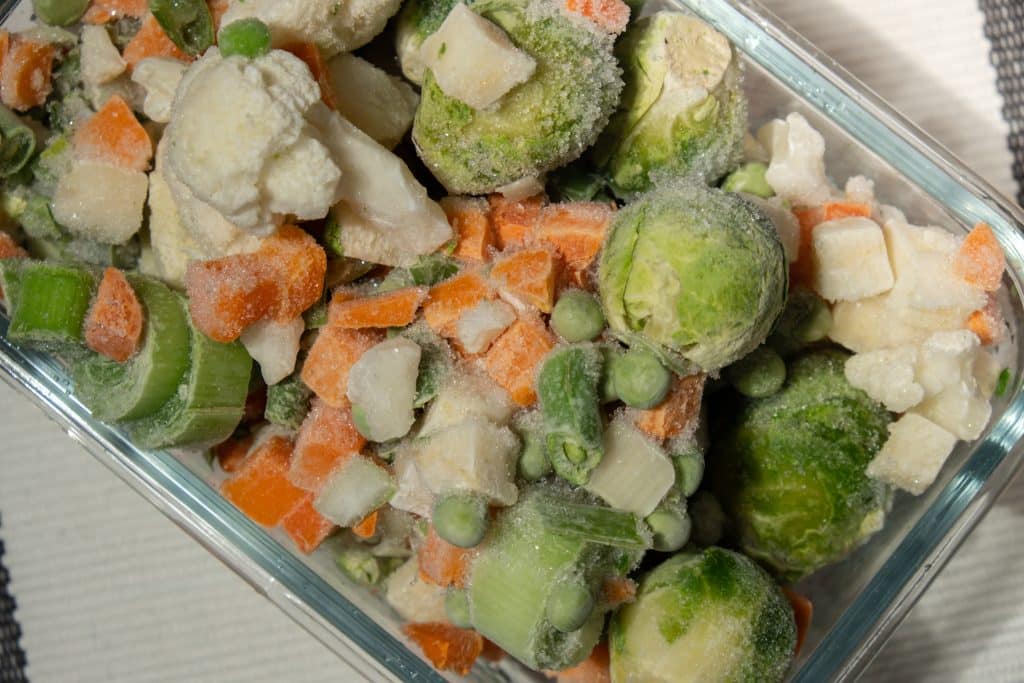
For those aiming to enjoy their harvests long after the growing season has ended, preservation is key. There are various methods available, each suited to particular types of vegetables. Freezing is a popular method, especially for vegetables like beans, peas, or corn. It locks in both flavor and nutrition. Canning, though more time-consuming, is excellent for tomatoes, pickles, or jams. Drying, another method, works well for herbs or making vegetable chips. Regardless of the chosen method, proper hygiene and following guidelines ensure that the preserved produce remains safe to consume.
The Bottom Line
Growing and nurturing vegetables from seed to harvest is a rewarding journey, filled with lessons in patience, care, and the rhythms of nature. With each step, from selecting the right spot to preserving the final produce, gardeners deepen their connection to the food they eat. This process not only yields fresh, nutritious produce but also offers a therapeutic escape in today’s fast-paced world. Encouraging more individuals to embark on this gardening adventure will undoubtedly lead to healthier lifestyles and a renewed appreciation for the simple joys of life.