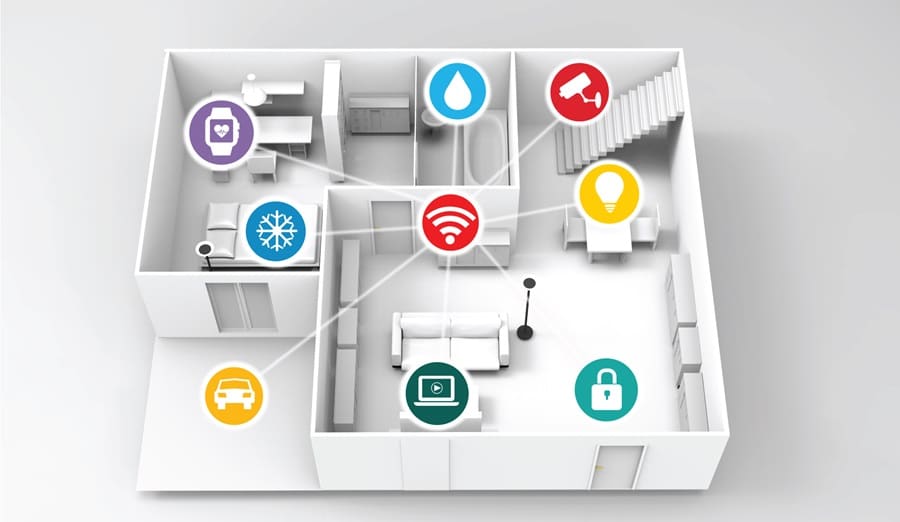
In an era where technology seamlessly integrates into every aspect of our lives, the allure of transforming a traditional home into a smart home has become increasingly irresistible. This comprehensive guide delves into the essentials of building a smart home network, ensuring that every reader, from tech enthusiasts to novices, can easily navigate the complexities. Homeowners can create a smart ecosystem that enhances convenience, efficiency, and safety by prioritizing a robust network foundation, selecting the right smart devices, and emphasizing security.
Contents
Choosing the Right Infrastructure
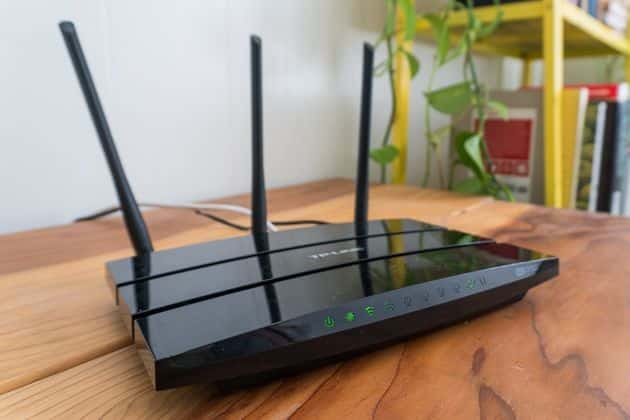
The backbone of any smart home is its network infrastructure, which demands careful consideration to ensure seamless connectivity and performance. Opting for a dual-band Wi-Fi router can significantly enhance the network’s reliability, catering to both the high bandwidth requirements of streaming devices and the lower bandwidth needs of basic smart home gadgets. Moreover, incorporating a mesh Wi-Fi system can eliminate dead zones, ensuring that every corner of your home enjoys strong and stable connectivity. This foundational step is crucial in preempting the challenges of a growing smart home ecosystem, where the addition of devices should not compromise the network’s efficiency.
Furthermore, the decision between wired and wireless connections plays a pivotal role in the network’s performance. While wireless connections offer flexibility and ease of installation, wired connections, particularly Ethernet, provide unmatched stability and speed, essential for devices requiring constant, high-speed internet access. Balancing these options based on your home’s specific needs and layout can significantly enhance your smart home experience.
Selecting Smart Devices
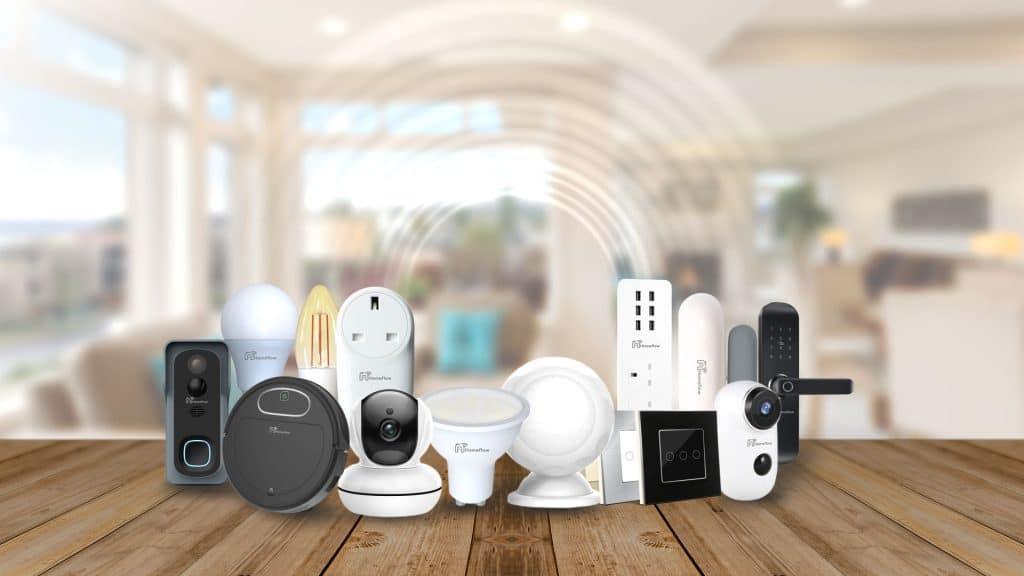
Embarking on selecting smart devices can be as exhilarating as it is overwhelming, given the many options available. Central to this process is identifying devices that align with your lifestyle and preferences and integrate seamlessly with your existing ecosystem. Smart speakers and voice assistants are the cornerstone of most smart homes, offering unparalleled convenience in controlling various devices through simple voice commands.
Equally important is the selection of smart lighting solutions, which contribute to the aesthetic appeal of your home and offer energy efficiency and the convenience of remote control. Whether setting the mood for a dinner party or automating lights to simulate occupancy while you’re away, smart lighting systems are a fundamental component of the modern smart home.
Implementing Security and Privacy Measures

As the smart home ecosystem expands, so does the surface for potential security vulnerabilities. Implementing robust security measures is not just an option but a necessity to protect your digital and physical privacy. This includes securing your Wi-Fi network with strong, unique passwords and considering the adoption of a Virtual Private Network (VPN) to encrypt data transmission, safeguarding against unauthorized access.
Moreover, investing in a comprehensive smart home security system, encompassing smart locks, cameras, and alarm systems, can offer peace of mind. These systems deter potential intruders and provide real-time monitoring capabilities, ensuring that homeowners can keep a vigilant eye on their premises, regardless of their physical location.
Creating a Unified Ecosystem
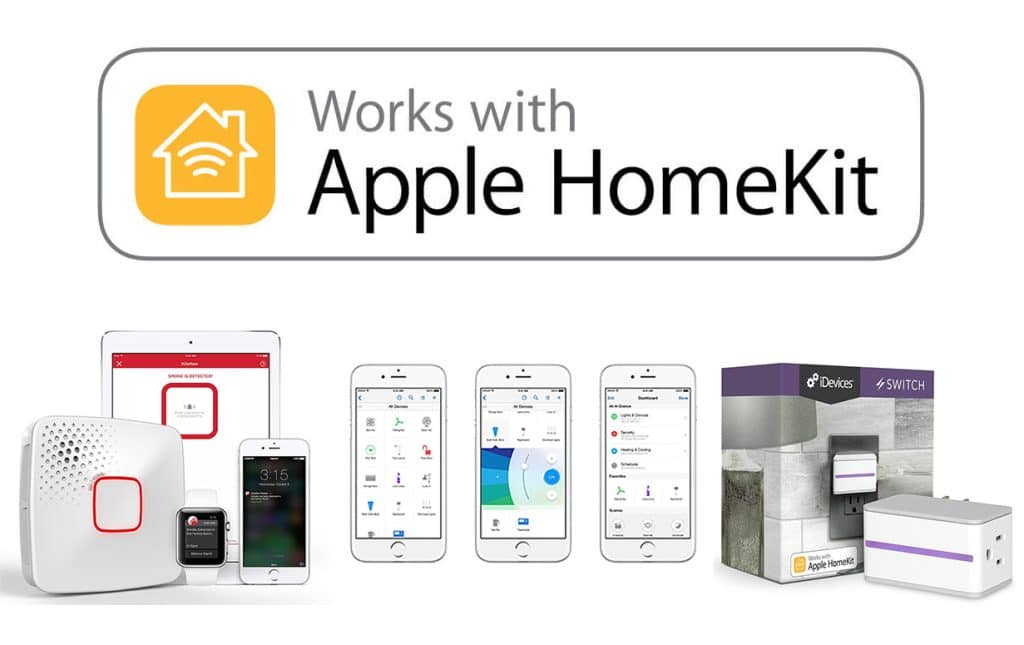
The true magic of a smart home lies in its ability to create a cohesive, integrated experience where devices communicate and work together harmoniously. Achieving this requires carefully selecting devices compatible with a common platform, whether Apple HomeKit, Google Home, or Amazon Alexa. This unified approach simplifies the control and management of your smart home and enhances the potential for automation, allowing for personalized scenarios and routines that adapt to your lifestyle.
In addition, embracing open standards and interoperability can future-proof your smart home, ensuring that it remains adaptable and expandable as new technologies emerge. This strategic foresight can save homeowners from the pitfalls of vendor lock-in, granting them the flexibility to incorporate innovative solutions as they become available.