
If you’re like most homeowners, you’ll experience a clogged drain at some point. It can be frustrating and inconvenient. And if you have never dealt with one before, it can be unclear how to fix the problem. But don’t worry; clearing a clogged drain is pretty simple. This article will walk you through the steps to clear any clog and get your drainage system running smoothly again! It will also provide some tips on how to prevent future clogs. So, whether you’re dealing with a slow drain or a complete blockage, this guide will help you get your drain flowing freely again!
Contents
The Problems A Clogged Drain Can Cause

Whether it’s a slow-draining sink or a completely stoppered bathtub, a clog can cause a major headache. Not only are clogs annoying, but they can also lead to some severe problems. For instance, a clogged drain can cause water to back into your home, leading to water damage and mold growth. Additionally, clogged drains can stress your plumbing system, leading to leaks and burst pipes.
Furthermore, if the clog is in the main sewer line, it can cause sewage to back up into your home, which is not only unsanitary but also dangerous to your health. Clearing a clogged drain is essential as soon as you notice a problem. The sooner you take care of the issue, the less chance there is severe damage to your home or health.
Common Causes Of A Clogged Drain
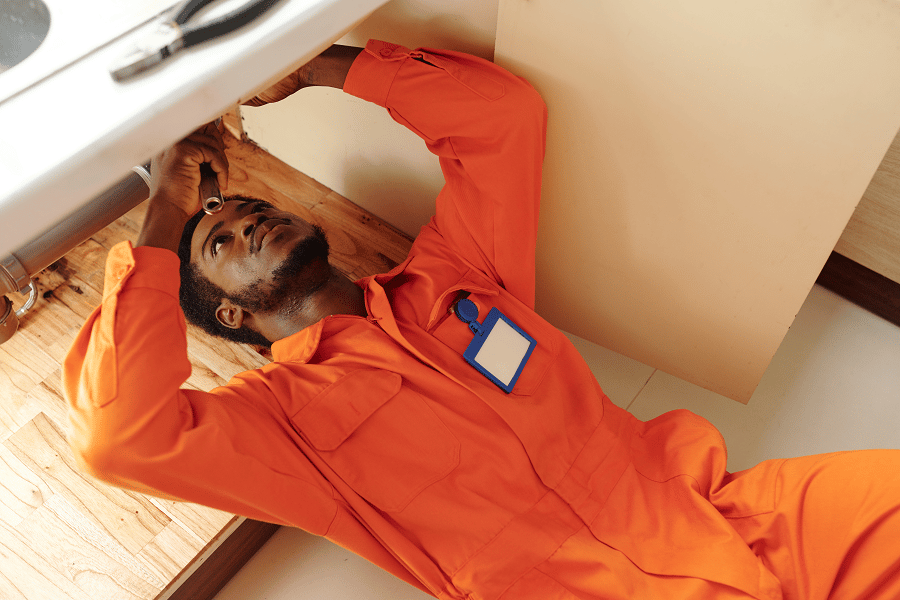
Drains are essential to any plumbing system but can quickly become clogged if not properly maintained. One of the most common causes of a clogged drain is hair. When hair shedding from brushing or showering accumulates in the drain, it can create a blockage that prevents water from flowing freely. Another common cause of clogged drains is soap scum. Soap can leave behind a residue that can build up over time and eventually block the drain.
Additionally, grease and oil can contribute to clogged drains. When these substances cool and solidify, they can adhere to the sides of the drainpipe and create a barrier that traps other debris. Finally, food scraps are another common culprit for clogged drains. Food particles mixed with grease and oil can form a sticky substance that can quickly build up and cause a blockage.
Methods For Clearing A Clogged Drain
If you do find that your drain is clogged, don’t panic! Clearing a clogged drain is a pretty simple process, and there are multiple ways you can try. The following methods will help you get your drain flowing freely again:
Baking Soda And Vinegar

While there are plenty of different methods you could use to clear your drain, one of the simplest is to use baking soda and vinegar. This method works because baking soda (a base) and vinegar (an acid) cancel each other out. When they mix, they create a chemical reaction that produces carbon dioxide gas. This gas helps break up the clog and allows water to flow freely through the drain again.
To use this method:
- Start by pouring a cup of baking soda down the drain.
- Follow this with a cup of vinegar, and plug the drain with a rag or stopper.
- Let the mixture sit for 30 minutes, then flush the drain with hot water. You should see the clog start to dissolve as the water flows through.
You can repeat this process if necessary until the clog is fully cleared.
A Wire Coat Hanger

Many people have experienced the frustration of a clogged drain. While many store-bought solutions are available, they can be expensive and harsh on pipes. Over time, hair, soap scum, and other debris can build up, creating a blockage that prevents water from flowing freely. A more natural way to clear a clogged drain is to use a wire coat hanger.
First, straighten the hanger and create a small hook at one end. Then, insert the hanger into the drain and fish out the clog. You may need to wiggle the hanger around a bit to get it through the drain, but be careful not to scratch the pipes. Once you’ve removed the clog, flush the drain with hot water to remove any residual debris.