

Consider The Location And Neighborhood

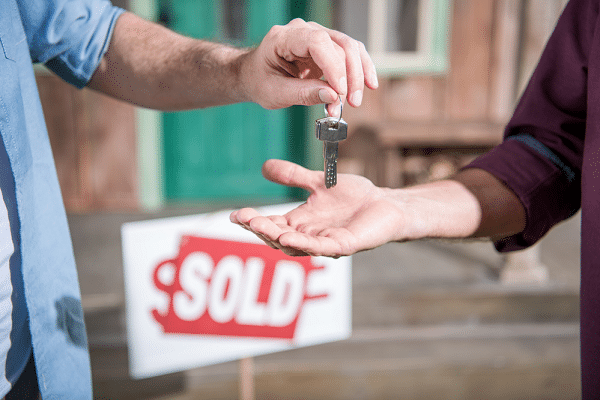
Location is a key factor when buying a home. It affects your daily life, from commute times to where your children attend school, and can also impact the future resale value of the home. Consider factors like proximity to work, access to public transportation, and traffic patterns. Check out local amenities such as grocery stores, restaurants, parks, and health facilities.
Neighborhood quality is equally important. Safety should be a top priority, so research local crime rates and visit the area at different times of the day and night. If you have or are planning to have children, the quality of local schools will also be a key consideration. Don’t forget to consider the overall feel of the neighborhood. Is it quiet or lively? Does it align with your lifestyle and personality?
Home Inspection Is A Must
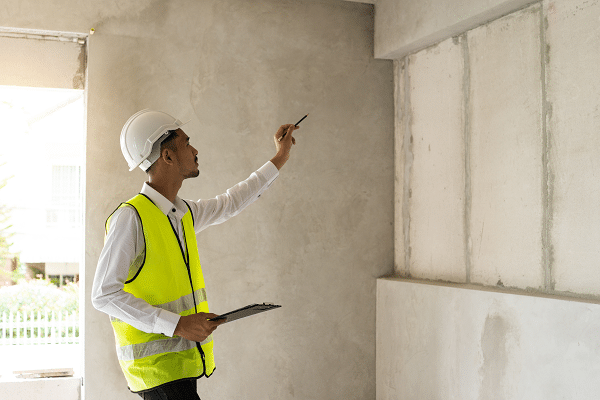
A home inspection is a crucial part of the home buying process. It helps uncover potential issues with the property that might not be immediately visible, such as structural damage, faulty wiring, or plumbing problems. These issues could lead to costly repairs down the line, so knowing about them beforehand can save you significant money and stress.
Hiring a professional home inspector is advisable. They will conduct a thorough examination of the property and provide a detailed report of their findings. While an inspection can seem like a significant upfront cost, it’s a worthwhile investment that can give you peace of mind and room to negotiate the home price if any issues are uncovered.
Understand The Contract And Closing Process

Buying a home involves a lot of paperwork, much of which is complex and filled with legal jargon. It’s essential to understand every detail in the purchase contract before signing. It includes key information like the purchase price, financing terms, inspection rights, and what happens if the deal falls through. Don’t hesitate to ask your real estate agent or lawyer to explain anything you don’t understand.
The closing process is the final step in the home buying journey. It involves finalizing the mortgage loan, signing documents, paying closing costs and the down payment, and transferring the property title from the seller to you. Knowing what to expect can help ensure a smooth closing and avoid any last-minute surprises.
Plan For Move-In And Maintenance Costs

Finally, it’s important to plan for the costs that come after buying a home. Moving can be expensive, especially if you’re relocating to a different city or state. Be sure to budget for professional movers, packing materials, and potential storage costs.
Once you’ve moved in, you’ll also need to account for ongoing maintenance costs. This includes regular upkeep like lawn care and cleaning, as well as larger repairs and renovations. It’s a good idea to set aside a certain amount each month for these expenses to avoid financial stress.
Conclusion
Navigating the home buying process can be challenging, but with the right preparation and understanding, it can be a rewarding journey. By following these home buying tips, you’ll be well-equipped to make informed decisions and avoid common pitfalls. Whether you’re a first-time buyer or an experienced homeowner, these tips provide a roadmap to guide you towards successful homeownership. So, take your time, do your research, and embrace the exciting journey of finding your perfect home.