

Fine Mesh Sieve
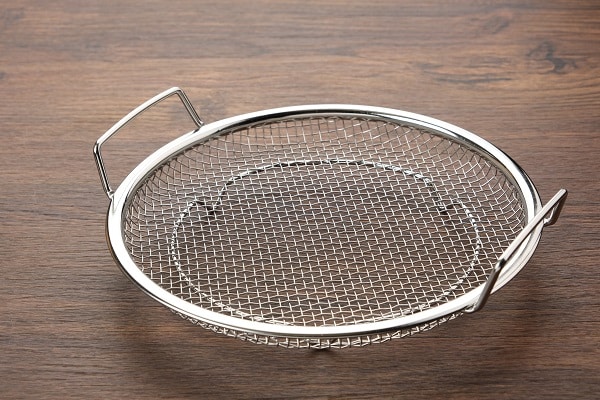
A fine mesh sieve is commonly found in most kitchens and can be a lifesaver when you’re out of coffee filters. The fine mesh allows water to pass through while trapping the coffee grounds effectively. This method is particularly useful for making cold brew or when using a French press, where the coffee grounds are more coarse and easier to filter.
While a fine mesh sieve can be quite effective, it’s not without its downsides. The mesh may not be fine enough to trap smaller coffee particles, leading to a somewhat cloudy brew. Additionally, this method may not be the most practical for making multiple cups of coffee, as you’ll have to hold the sieve over each cup or pot while pouring. Despite these challenges, a fine mesh sieve remains a viable option for those in need.
Cloth Napkin or Handkerchief
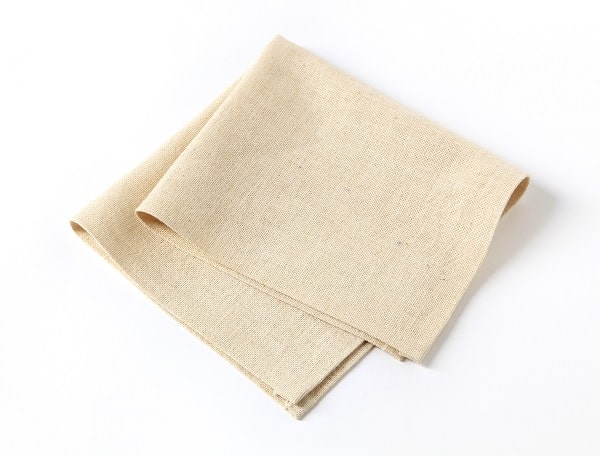
A cloth napkin or handkerchief can also serve as an emergency coffee filter. These fabrics are generally tightly woven, making them effective at trapping coffee grounds. If you’re concerned about sustainability, using a cloth napkin or handkerchief is an eco-friendly option, as they are reusable after a quick wash.
However, there are some considerations to keep in mind. The thickness of the cloth can slow down the filtration process, requiring more time to brew your coffee. Additionally, the fabric may absorb some of the coffee oils, affecting the flavor of your brew. It’s also crucial to ensure that the cloth is clean and free from any detergents or fabric softeners, as these can contaminate your coffee.
Socks

Believe it or not, a clean sock can act as a last-resort coffee filter. Cotton socks are particularly effective due to their tight weave, which can trap coffee grounds while allowing water to pass through. This method is especially useful if you’re camping or find yourself in a situation where you have limited resources. Just make sure the sock is clean and free from any detergents or fabric softeners.
However, using a sock as a coffee filter does come with its own set of challenges. The fabric may absorb some of the essential oils from the coffee, leading to a less flavorful brew. Additionally, using a sock may not be the most aesthetically pleasing method, and it’s crucial to ensure that the sock is thoroughly cleaned afterward to avoid any cross-contamination with other uses.
Reusable Metal Filters

For those looking for a more permanent alternative to disposable coffee filters, reusable metal filters are an excellent option. These filters are made from stainless steel and have fine holes that allow water to pass through while trapping the coffee grounds. They are eco-friendly, easy to clean, and can last for years, making them a cost-effective solution in the long run.
While reusable metal filters are a convenient and sustainable option, they do have some drawbacks. These filters allow more oils and fine particles to pass through, resulting in a cloudier and more robust brew. This may or may not be to your liking, depending on your coffee preferences. Additionally, metal filters require regular cleaning to prevent the buildup of coffee residue, which could affect the taste of your brew over time.
Coffee Filter Alternatives
Navigating a morning without a coffee filter doesn’t have to be a daunting task. As this guide has shown, various household items, from paper towels and cheesecloth to fine mesh sieves and even socks, can serve as effective alternatives. While each option comes with its own set of pros and cons, the key takeaway is that you don’t have to sacrifice your daily coffee ritual due to a lack of traditional filters. By understanding the importance of material and the unique characteristics of each alternative, you can select the best option for your brewing needs and enjoy a satisfying cup of coffee, no matter the circumstances.