


Maintenance and Durability
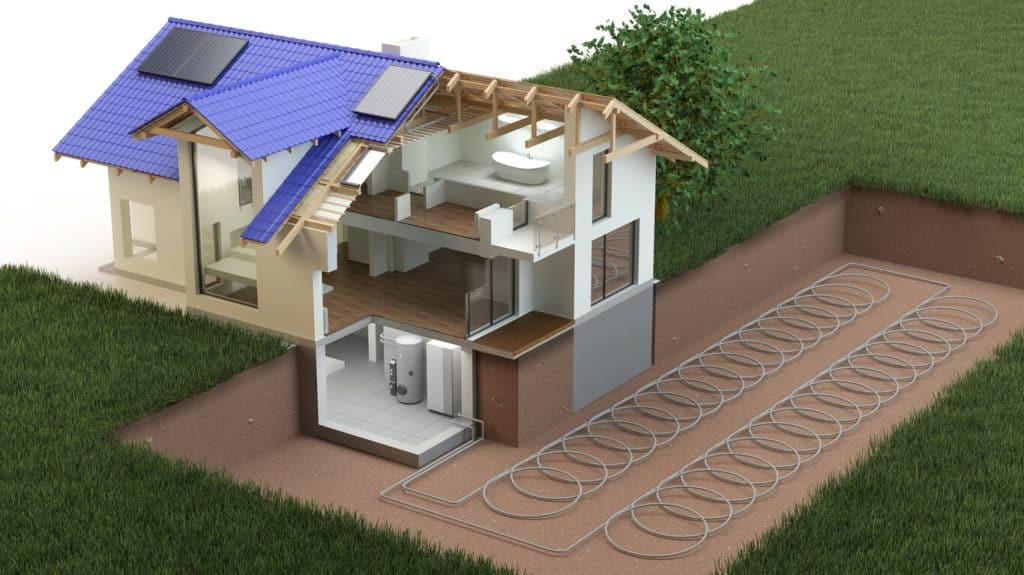
Maintenance requirements for geothermal heating systems are generally lower than those for conventional heating systems. The underground components of a geothermal system are designed for longevity, often lasting 50 years or more, while the heat pump unit itself can last up to 25 years with proper maintenance. This durability is a key advantage, reducing the frequency and cost of repairs. This section will outline the basic maintenance tasks required to keep a geothermal heating system running efficiently, including periodic checks and adjustments by a qualified technician. Understanding these requirements can ease concerns about the system’s complexity and long-term care.
Despite their durability, geothermal systems can encounter issues, such as loop leaks or pump failures, though these problems are relatively rare. Addressing common concerns and troubleshooting methods will equip homeowners with the knowledge to maintain their systems effectively. This part of the discussion will also touch on the warranties typically offered by manufacturers, providing an added layer of security for the investment. By highlighting the reliability and maintenance aspects of geothermal heating, this section aims to further demonstrate the practicality and benefits of these systems for residential use.
Installation Process
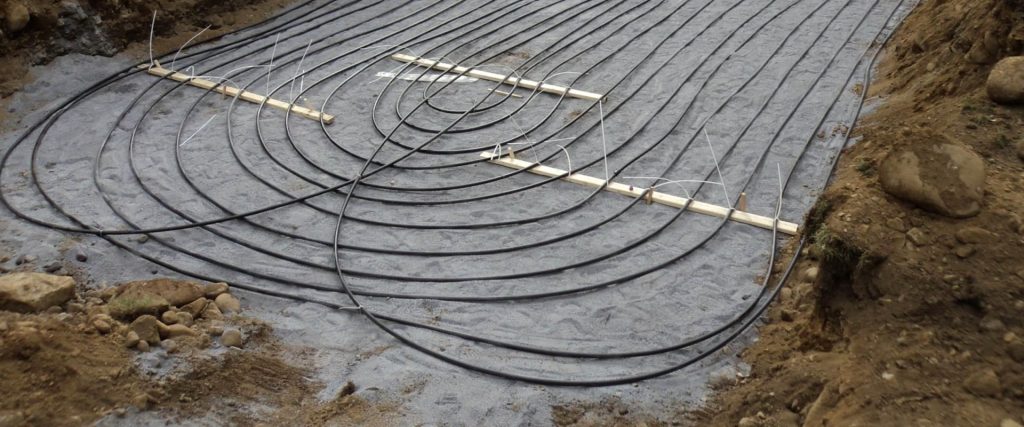
The installation of a geothermal heating system is a complex process that requires careful planning and expertise. It begins with a thorough assessment of the property, including soil conditions, available space, and heating and cooling needs. This initial evaluation is crucial to determine the most efficient system design and the type of ground loop configuration that will be used. This section will walk readers through the installation steps, from site assessment to the drilling of ground loops and system connection, providing a clear understanding of what to expect during the process.
Professional installation is essential for ensuring the system operates at peak efficiency and complies with all local regulations and building codes. The need for specialized equipment and expertise means that homeowners should select a contractor with experience in geothermal installations. This section will also discuss the challenges and considerations that can arise during installation, such as the need for permits and the impact of the landscape on the project’s feasibility. By demystifying the installation process, this section aims to help readers anticipate the steps involved and understand the importance of professional involvement in achieving a successful geothermal heating system setup.
Government Incentives and Policies

Government incentives play a pivotal role in making geothermal heating systems more accessible to homeowners. Various federal, state, and local programs offer tax credits, rebates, and grants to offset the initial cost of installation. This section will review the current incentives available for geothermal heating installations, including how to qualify for them and the potential savings they offer. By taking advantage of these incentives, homeowners can significantly reduce the financial burden of transitioning to a renewable energy source, making geothermal heating a more attractive option.
Policies surrounding renewable energy and geothermal systems are constantly evolving, reflecting the growing emphasis on sustainable living. These policies not only affect the availability of incentives but also guide the development and implementation of geothermal technology. Future legislative changes could further enhance the viability of geothermal heating, encouraging more widespread adoption. This discussion will highlight the importance of staying informed about policy changes and how they impact homeowners considering geothermal heating, underscoring the dynamic relationship between government action and renewable energy adoption.
Comparing Geothermal to Other Renewable Heating Systems
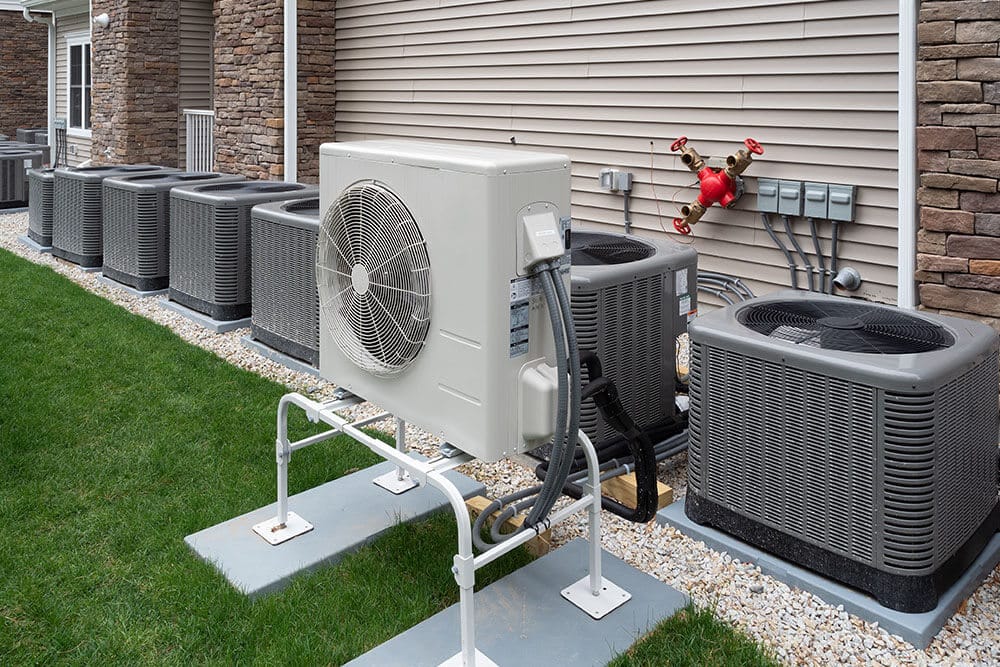
When evaluating geothermal heating, it’s beneficial to compare it with other renewable heating options, such as solar thermal systems and air-source heat pumps. Each system has its unique set of advantages and limitations in terms of efficiency, cost, and environmental impact. This section will provide a comparative analysis, discussing the conditions under which geothermal heating may be the most advantageous choice. By examining factors such as geographic location, energy needs, and financial considerations, homeowners can gain a clearer understanding of how geothermal heating fits within the broader spectrum of renewable energy solutions.
The decision to invest in any renewable heating system requires careful consideration of both the immediate and long-term implications. Geothermal heating systems, while offering considerable benefits in efficiency and environmental impact, may not be the best fit for every situation. This part of the discussion will delve into the scenarios where alternative renewable heating solutions might offer better suitability or value. For instance, in areas where the installation of ground loops is not feasible, air-source heat pumps or solar thermal systems might provide a more practical solution. This comparative approach aims to equip readers with the knowledge to make informed decisions that align with their specific circumstances and sustainability goals.
The Viability of Geothermal Heating Systems
Geothermal heating systems emerge as a compelling solution for those seeking sustainable and efficient home heating and cooling options. This exploration has revealed their numerous benefits, including significant environmental advantages, high efficiency rates, and potential for long-term cost savings, despite the initial financial outlay. While challenges such as installation complexity and upfront costs exist, government incentives and the long-term savings they afford make geothermal technology an increasingly attractive option. As the world shifts towards renewable energy sources, geothermal heating stands out as a practical and environmentally responsible choice for homeowners committed to reducing their carbon footprint and embracing a sustainable future.