


A pristine car interior not only heightens the overall driving experience but also extends the life and value of the vehicle. However, with a myriad of cleaning products and methods available, discerning the right approach can be daunting. The key is understanding the specific needs of different materials inside your car. Regular maintenance with appropriate techniques and products can make all the difference in maintaining a fresh, damage-free car interior.
Understanding Your Car’s Interior Materials
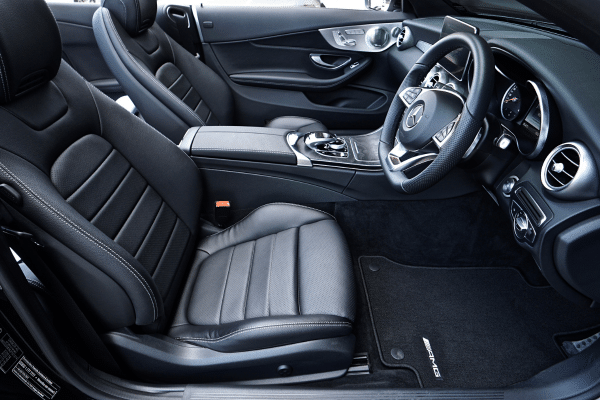
Different cars flaunt diverse interiors, ranging from plush leather to durable vinyl. Recognizing the materials in a vehicle is the foundation of its care. Leather, for instance, requires a delicate touch as it can easily be damaged by harsh chemicals or abrasives. On the other hand, plastics and vinyl might demand more robust cleaners but can still suffer from streaks and scratches if not treated correctly. To preserve the aesthetic and functionality of a car’s interior, it’s crucial to be familiar with its materials before diving into the cleaning process.
Fabric, another common car interior material, comes with its own set of challenges. Unlike leather or vinyl, it absorbs spills and can retain odors, making it imperative to use cleaners designed for fabrics. Additionally, some fabrics can fade or shrink if exposed to certain chemicals, so always reading the label on cleaning products can save a lot of heartache. Knowledge of the vehicle’s material composition will determine the success of any cleaning venture.
Vacuuming – The Essential First Step
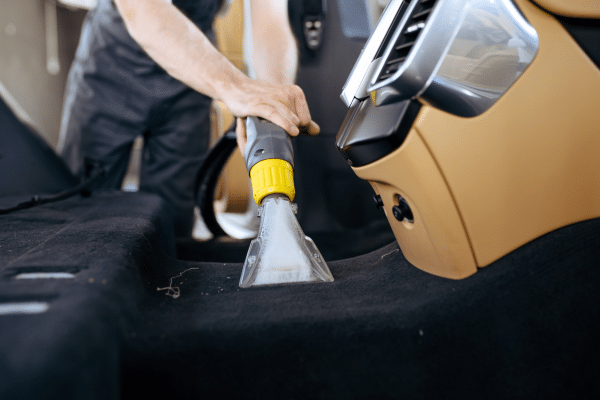
Dirt, dust, and debris can embed themselves into the car’s interior surfaces over time, making vacuuming a pivotal first step in the cleaning process. Without initial vacuuming, scrubbing or wiping might push this dirt deeper into the fabric or create scratches on more delicate surfaces. Utilizing the right vacuum attachments ensures that even the most hard-to-reach corners get a thorough clean.
Choosing the correct vacuum attachment can make a world of difference. A crevice tool can get into tight spots between seats, while a soft brush attachment is ideal for sensitive surfaces like dashboards or center consoles. Remember, a gentle touch is vital to avoid damaging any interior components. Once the dirt has been vacuumed away, the next cleaning steps become more effective and manageable.
Safely Cleaning Leather Surfaces
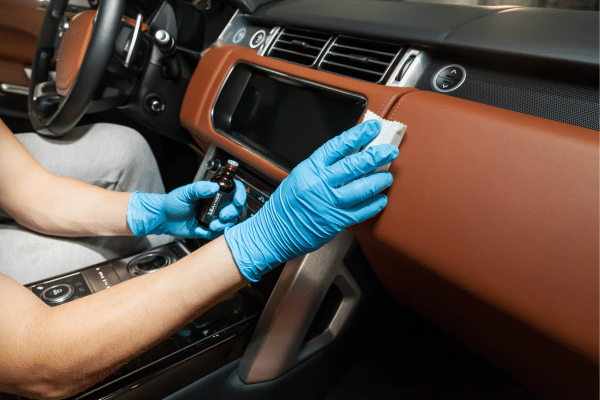
Leather is synonymous with luxury when it comes to car interiors. But this opulence demands special care. Leather can be particularly sensitive to both natural elements, like the sun’s UV rays, and to various cleaning agents. Over time, without proper care, leather can crack, fade, or even peel. To prevent such damage, it’s essential to opt for leather-specific cleaners that gently remove dirt and grime without compromising the integrity of the material.
After cleaning, leather often requires hydration, much like human skin. Leather conditioners are crafted to replenish the natural oils in leather, keeping it supple and preventing premature aging. When applying, it’s vital to use a soft cloth and to buff in circular motions to ensure even application. Once treated, leather not only looks refreshed but also remains protected against potential wear and tear.