Ovens, often hailed as the cornerstone of culinary adventures, demand consistent attention to maintain their performance. Over time, leftover food particles and grease build up, potentially affecting the flavor of dishes and the appliance’s efficiency. Furthermore, varying oven types present unique cleaning challenges. This guide not only underscores the importance of a spick-and-span oven but also offers tailored advice for different oven categories.
Contents
The Benefits Of A Clean Oven

Maintaining a clean oven directly contributes to the taste, quality, and safety of the dishes prepared. When an oven is kept clean, it heats more evenly, ensuring that recipes are cooked as intended. Plus, a buildup-free oven eliminates the risk of unwanted smoke or even small fires that can be caused by grease or food remnants.
Apart from ensuring delicious outcomes and safe operations, a pristine oven can also lead to significant cost savings. An oven free from excessive buildup tends to consume energy more efficiently, leading to reduced utility bills. Moreover, regular maintenance can extend an oven’s lifespan, preventing early replacements or unnecessary repair costs.
Identifying Your Oven Type
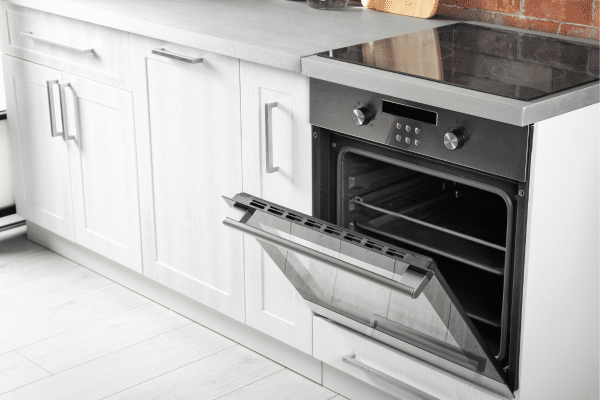
Different ovens come with distinct characteristics and, thus, cleaning requirements. It’s vital to understand whether an oven is gas, electric, convection, or self-cleaning. For instance, electric ovens usually have hidden heating elements, making them slightly easier to clean than gas ovens, which have exposed burners.
Convection ovens, with their fans and extra vents, require attention to these additional components during cleaning. On the other hand, self-cleaning ovens possess a feature that burns off food residues at high temperatures. However, while they may sound hassle-free, even these ovens can benefit from manual cleanings occasionally to address any leftover residues the self-cleaning cycle might miss.
Everyday Oven Maintenance

It’s a wise practice to adopt preventive measures that minimize excessive buildup in the oven. Simple acts like using oven liners or trays beneath dishes can catch drips and spills, reducing the frequency of intensive cleaning sessions. Regularly wiping down the interior after each use, especially when minor spills occur, can be a game-changer in maintaining a tidy oven.
On top of instant spill cleanups, scheduling minor cleanings, say, once a week or biweekly, can be advantageous. This doesn’t mean a deep clean, but rather a quick wipe-down of surfaces and checking for crumbs or residues. Such routine check-ins ensure that residues don’t get baked in multiple times, making them harder to remove later.
Natural Cleaning Solutions

Harnessing the power of household ingredients can be an effective and eco-friendly approach to oven cleaning. A paste made from baking soda and a little water, when applied to the oven’s interior and left overnight, can work wonders on stubborn stains. The next day, spraying some vinegar on it will create a fizzing reaction, helping to lift the grime.
Another natural cleaner that is both effective and readily available is the humble lemon. Simply placing a water-filled dish with cut lemons inside a heated oven can help in loosening dirt and grease. As the water turns to steam, it combines with the lemon’s acidity, creating a natural cleaning agent that’s safe and leaves the oven with a pleasant aroma.
Commercial Oven Cleaners

While natural solutions are excellent for those leaning towards eco-friendly methods, there’s no denying the potency of commercial oven cleaners. These products, formulated specifically for the tough grime and grease found in ovens, can often cut cleaning time in half. However, it’s essential to choose products that are safe, especially if there are concerns about chemical residues.
Though effective, commercial cleaners come with their set of precautions. It’s always recommended to read the label instructions thoroughly and ensure the kitchen is well-ventilated during use. Gloves and eye protection can offer an added layer of safety. And once the cleaning is done, giving the oven a thorough wipe-down can ensure no residues are left behind.
The Deep Cleaning Process

Even with regular maintenance, every oven requires an occasional deep cleaning to restore it to its former glory. Beginning with removing the oven racks to clean them separately can be a good start. A mixture of warm water and a few drops of dishwashing liquid can serve as an excellent soak for these racks. After soaking, scrubbing them gently can remove most of the baked-on grime.
For the oven’s interior, depending on the chosen cleaner (natural or commercial), it’s crucial to cover every inch, paying particular attention to corners and crevices. Once applied, allowing the cleaner to sit for the time recommended (or overnight for natural solutions) can ensure effective grime removal. After the waiting period, wiping away the cleaner and any loosened dirt becomes the final step to a sparkling oven interior.
Troubleshooting Common Oven Cleaning Challenges

Certain areas of the oven, such as the door or areas with stubborn stains, may pose challenges during the cleaning process. For the oven door, a mixture of baking soda and water applied to the glass can help. Leaving this paste on for 30 minutes before wiping can effectively remove any cloudiness or spots. If there are vents or fans in the oven, ensuring they’re free from buildup can guarantee even heat distribution.
Oven racks, too, can sometimes be a source of frustration. If the earlier mentioned soaking method doesn’t yield desired results, trying an old toothbrush or a mesh scrubber can help get into those hard-to-reach spots. For the oven’s exterior, a gentle all-purpose cleaner and a soft cloth usually do the trick, restoring the oven’s shine without causing any damage.
The Bottom Line
Maintaining a clean oven is pivotal for both culinary success and kitchen safety. Through consistent care, adopting effective cleaning methods, and addressing specific challenges head-on, it becomes simpler to ensure an oven’s longevity and performance. With a mix of natural solutions and commercial cleaners at disposal, achieving a gleaming oven is within every home chef’s grasp, ensuring delightful meals and a lasting kitchen companion.