
Step Three: Lay the Base

Many people assume that starting a compost is just a matter of adding food scraps to dirt. However, proper composts all start with a base that provides a barrier between the compost and the ground. Lay down a layer of straw or sticks of wood before you add any other materials to the compost.
Step Four: Add Compost Food Waste
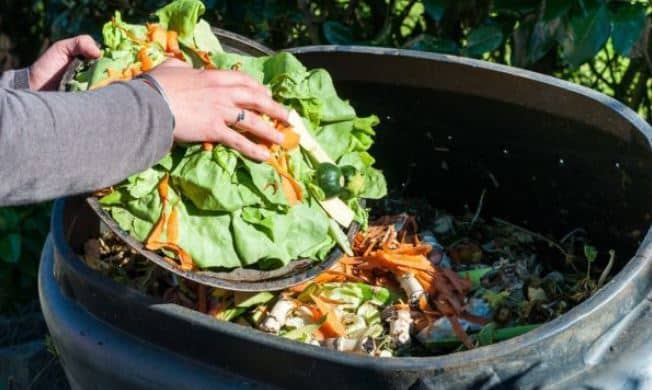
Adding food to your compost is a careful balance between wet and dry materials. Ideally, you will want to layer your food waste with yard waste to create the right ratio of nutrients. Food includes any non-meat organic materials, such as apple cores, coffee grounds, and eggshells. Yard waste includes grass clippings and raked leaves.
Step Five: Add a Nitrogen Source

If you plan on using your compost to add nutrients to your garden soil, then you will want to make sure you are adding a nitrogen source to the compost pile. A nitrogen source such as manure or “green” manure like cloves or dying plants will help the food waste in your compost break down and become a nutrient-rich source for your garden soil.
Step Six: Keep It Moist

Your compost will decompose your waste better when the compost is kept moist to the touch. When you mix and layer compost materials, check and make sure that each layer is moist. However, you will also want to be sure that the compost isn’t water-logged, so if your yard sees a lot of rain you may want to invest in a tarp or covering for heavy rains. Make sure to turn the pile regularly.
What Are Ideal Compost Materials?

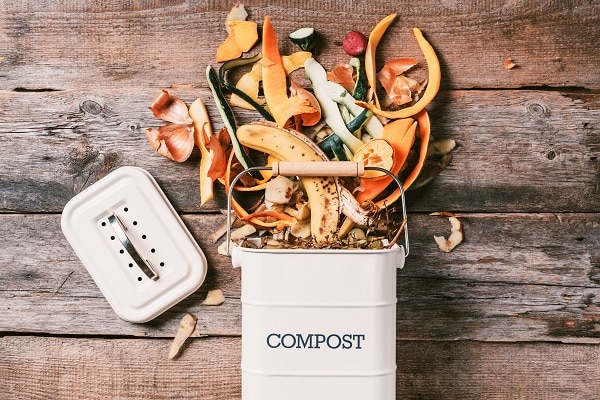
Ideal compost materials include any non-meat organic waste. Citrus rinds, bread, vegetable peels, fruit and vegetable cores, eggshells, opened tea bags, and used coffee grounds are all great materials to add to your compost. You can also use grass clippings, clover, buckwheat, raked leaves, and other decaying plants.
For gardeners, composts can be an easy way to enrich your soil with nutrients that make a better vegetable garden. For others, compost piles can be excellent to reduce food waste and food loss. Whatever your reason, you can easily build your compost garden today in six simple steps!