


Tightening or Replacing Screws
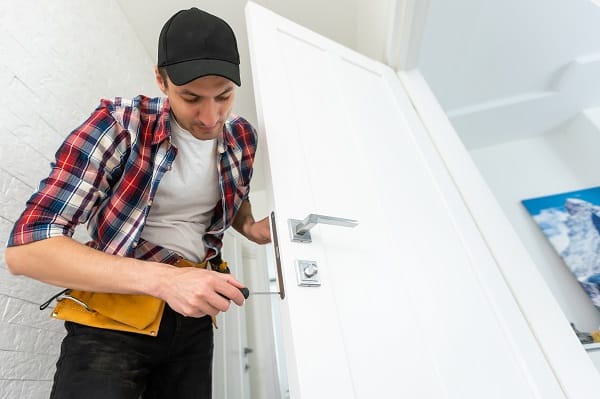
Loose screws can be the silent culprits behind a door that won’t latch. This is particularly true for older doors, where screws can become loose due to frequent usage. The screws that must be focused on are usually near the latch assembly and the hinges. Tightening these screws can often solve the problem with minimal effort.
However, sometimes screws can be so worn out that they require replacement. In such cases, it’s essential to choose screws that match the previous ones in length and diameter but are made of more durable material. Before replacing the screws, it’s crucial to inspect the holes. If the holes have been stripped, they may need to be filled with wood filler before new screws can be inserted.
Checking Door Alignment
Door alignment is a crucial but frequently ignored aspect of door maintenance. A misaligned door won’t just cause latch issues but could also lead to further damage over time. One can use a straightedge or a level to check the alignment to see if the door hangs straight. If it doesn’t, adjustments must be made to the door or the frame.
Quick fixes for door alignment include shimming the hinges or planning the door. Shimming involves adding a thin piece of material, usually wood or cardboard, behind the hinge to adjust the door’s position. Conversely, planning involves shaving off a thin layer from the door’s edge to make it fit better. These methods, although effective, are generally considered temporary fixes and might require more attention in the future.
Replacing the Latch Mechanism

At times, the latch mechanism itself may be the source of the problem. A severely damaged or worn-out latch will likely need to be replaced. The first step in this process is to remove the existing latch, which usually involves unscrewing it from the door. Once the old latch is removed, cleaning out the cavity before installing the new latch is critical.
Installing the new latch involves inserting it into the door’s edge and securing it with screws. Ensuring that the new latch aligns perfectly with the strike plate is essential. After installation, the latch should be tested multiple times to confirm it engages and disengages smoothly. If it doesn’t, minor adjustments may be needed.
Final Checks and Quality Control
After all the repairs and replacements, the last step is quality control. Close and open the door several times to ensure the latch engages and disengages. Listen for any strange sounds that may indicate further issues. If the door works as expected, then the task is completed.
However, it’s crucial to consider long-term maintenance to avoid future issues. Regular checks and timely tightening of screws can prevent problems from reoccurring. Lubricating the latch assembly every few months is also recommended. Remember, preventive maintenance is always better than undergoing the repair process again.
The Bottom Line
Fixing a door that won’t latch is more than a mere inconvenience; it’s a matter of safety and privacy. This guide has walked you through the essentials—from identifying the issue to final quality checks. By understanding the different aspects involved in the repair process, from the tools required to the symptoms to look out for, you can solve this household problem efficiently and effectively. Take action now to safeguard your home and your peace of mind.