


Organic Soil Management

Composting
Composting is a cornerstone of organic gardening, a method that recycles organic waste into a rich soil conditioner. Composting is a win-win situation; it reduces the waste that goes into landfills while enriching the soil. The compost heap can include kitchen scraps like fruit and vegetable peels, coffee grounds, eggshells, and yard waste like leaves and grass clippings. The key to successful composting is maintaining a good balance of green (nitrogen-rich) and brown (carbon-rich) materials and turning the pile regularly to aerate it.
Soil Testing
Testing the soil isn’t just a one-time activity but should be ongoing. Soil tests provide valuable information about its pH level, nutrient content, and organic matter percentage. These details are crucial for deciding what fertilizers or soil amendments are needed. Soil testing kits are readily available, allowing gardeners to test their soil at home. However, samples can be sent to agricultural extension services or private labs for more detailed analysis.
Organic Pest Control

Biological Control Methods
Using biological methods for controlling pests is a fundamental practice in organic gardening. The idea is to introduce natural predators or parasitoids to help control pest populations. Examples include ladybugs, which feed on aphids, and parasitic wasps that target caterpillars. Another method is companion planting, where certain plants are grown together because they assist each other in nutrient uptake, pest control, or other factors that help them grow better.
Organic Pesticides
While prevention is the best approach, sometimes you may need to use pesticides. Organic pesticides, made from naturally occurring substances, are less harmful to controlling pests. Ingredients like neem oil, garlic, and even soap can be effective organic pesticides. However, applying them carefully and selectively is crucial, targeting only the problem areas to minimize the impact on beneficial insects and the surrounding environment.
Organic Fertilizers

Types of Organic Fertilizers
Organic fertilizers come from plant, animal, or mineral sources. Animal-based fertilizers include manure and bone meal, high in nitrogen and phosphorus. Plant-based options, such as compost and seaweed, are rich in various nutrients but usually have a lower concentration. Mineral-based fertilizers like rock phosphate and green sand are also valuable additions. Choosing the right type of organic fertilizer depends on the specific nutrient needs of your soil and plants.
Proper Application
The key to effective fertilization is knowing when and how to apply these nutrients. Over-fertilizing can be as harmful as not fertilizing at all. It is usually advisable to apply fertilizers just before the growing season when plants have the highest nutrient needs. Slow-release fertilizers can be added to the soil at planting time, while liquid fertilizers may be applied throughout the growing season. Always follow the instructions on the label for the correct application rates.
Harvesting and Storing
Harvesting Techniques
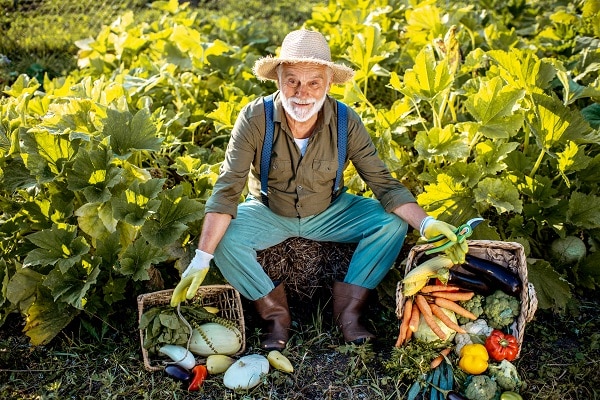
Knowing when and how to harvest your produce ensures you get the best flavor and nutritional value. Each plant has indicators for when it is ripe for picking, such as color, size, or ease of separation from the stem. Harvesting too early or too late can affect the product’s quality and storage life. Use clean, sharp tools to make clean cuts, ensuring minimal damage to the plant and reducing the risk of disease.
Storing Produce
Proper storage is essential for extending the shelf life of your organic produce. Different vegetables and fruits have varied storage requirements. Some may need to be stored in the refrigerator, while others do better in a pantry or at room temperature. Using proper storage techniques not only prolongs freshness but also preserves the nutritional value of the produce.
The Bottom Line
Organic gardening is an enriching experience that offers numerous benefits, from healthier produce to a more sustainable environment. This article has covered the basics of planning, setting up, and maintaining an organic garden, offering actionable insights for beginners and seasoned gardeners. The journey to organic gardening is a continual learning experience, but anyone can create a thriving, sustainable garden with the right knowledge and techniques. Now, it’s your turn to get your hands dirty and start your organic garden. Happy gardening!