


Hydroponics And Aquaponics
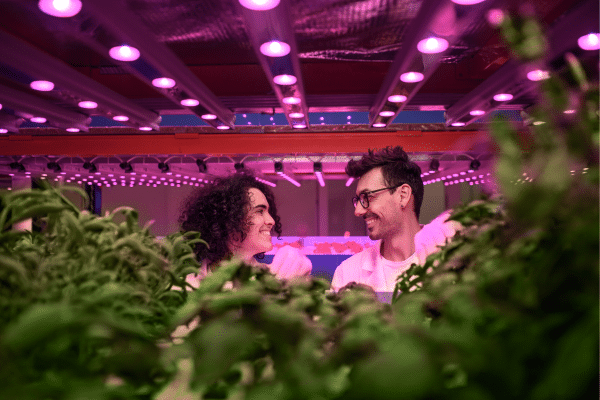
Delving into the realm of soil-less cultivation brings forth techniques like hydroponics and aquaponics. Hydroponics involves growing plants in nutrient-rich water, eliminating the need for soil. This method offers faster growth rates, fewer pests, and requires less space, making it ideal for urban settings. With a proper setup, including a water pump and a nutrient solution, even nutrient-hungry plants like lettuce and strawberries can flourish.
Aquaponics takes this a step further by integrating aquaculture (raising fish) with hydroponics. In this symbiotic system, fish waste provides the nutrients plants need, while plants help filter and purify the water for the fish. It’s a closed-loop system that offers sustainability and efficiency. While the initial setup might seem daunting, the rewards of a well-balanced aquaponics system are bountiful. Fresh vegetables coupled with the possibility of harvesting fish make it a multifaceted approach to urban farming.
Utilizing Indoor Spaces
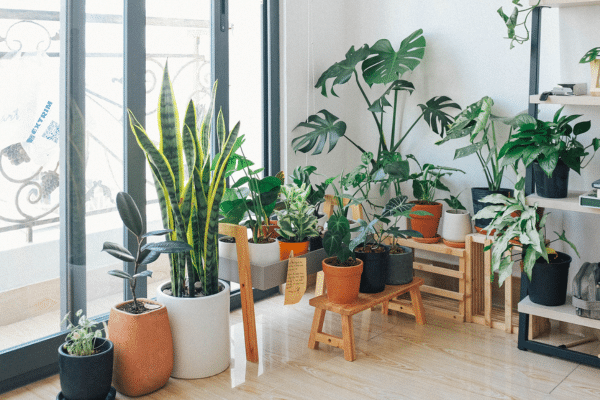
The lack of a balcony or outdoor area doesn’t restrict the possibility of having a garden. Interior spaces, from windowsills to empty corners, can serve as excellent spots for indoor gardening. With today’s advancements in LED grow lights, even areas with little to no natural sunlight can sustain vibrant plant growth. Herbs like basil, mint, and chives are perfect candidates for indoor cultivation, offering fresh flavors within arm’s reach.
But light isn’t the only factor to consider. Ensuring proper humidity and temperature is paramount to an indoor garden’s success. While some plants thrive in humid conditions, others might require drier air. Investing in a decent humidifier or dehumidifier can make all the difference. Likewise, regular monitoring and adjusting of room temperatures keep plants in their optimal growing conditions. With these factors in balance, any corner of a home can transform into a green oasis.
Balconies And Rooftops

Often overlooked, balconies and rooftops possess immense potential as gardening spaces. In high-rise apartments or buildings where outdoor ground space is nonexistent, these elevated areas can become thriving garden spots. With proper planning, what might seem like a concrete slab can be transformed into a lush, productive green space. From container gardening to vertical installations, the possibilities are diverse and exciting.
However, when venturing into balcony or rooftop gardening, certain considerations become paramount. Weight restrictions need to be acknowledged, ensuring that the combined load of pots, soil, and water doesn’t compromise structural safety. Additionally, since these areas are exposed, plants can face challenges from wind, excessive sunlight, or the lack of it. Installing windbreakers, shade cloth, or reflective materials can help in managing these environmental factors. With careful thought and design, these elevated spaces can yield more than just a beautiful view—they can produce a bounty of fresh food.
Choosing The Right Plants

The success of an urban garden often hinges on selecting the right plants. While enthusiasm might drive a beginner to plant a range of species, it’s essential to recognize the constraints and advantages of the available space. Plants like lettuce, radishes, and herbs are well-suited for smaller areas and can adapt to varying light conditions. These low-maintenance crops are excellent choices for those just starting their urban farming journey.
Conversely, for those with a bit more space and experience, branching out to plants like tomatoes, peppers, and even dwarf fruit trees can be rewarding. These plants might require more care in terms of staking, pruning, and ensuring adequate nutrients, but the yield can be exceptionally gratifying. Regardless of the chosen plants, understanding their specific needs, from sunlight to soil type, is crucial. Armed with this knowledge, gardeners can create a tailored environment where plants not only survive but thrive.
The Bottom Line
The journey of growing food in urban settings, devoid of sprawling backyards, is a testament to human ingenuity and the innate connection to nature. From containers perched on windowsills to aquaponic setups humming in living rooms, the myriad methods available are both diverse and accessible. Embracing urban gardening not only ensures a fresh supply of produce but also fosters a sense of accomplishment and a deeper bond with the environment. In the heart of the concrete jungle, these green oases serve as reminders that nature, with a little innovation, can find a way to flourish anywhere.