Contents
Be Mindful Of The Local Climate
We all want to grow our favorite plants in our yard, regardless of whether they are meant for the local climate or not. However, growing non-native plants in your garden will result in them struggling, making them vulnerable to pest attacks.
You can often supply your plants with a different climate by growing them in pots and positioning the pots in the best way to give your plants the environmental support them need. However, the fact remains that plants are only healthy when grown in the right climate in soils with the appropriate pH levels.
Engage In Recycling

As an ode to your lovely garden, recycling is important. Recycling all the green matter you get from your plants back into your garden is an effective way to promote healthy plant growth. Cutting and dropping weeds back into the soil can give the soil its nutrients, making it healthier. Moreover, consider adding mulch branches into compost.
Pests And Predators

Using broad-spectrum sprays, despite how organic they are, isn’t the best idea, as they often end up killing predatory insects along with pests. It is highly recommended to focus on using sprays that only target pests. For this purpose, it is important to get acquainted with the insects that live in your garden, so that you can know which are okay and which are not.
Proper Watering

Watering your garden is a critical aspect of ensuring a healthy garden. However, since many diseases require water to grow as much as plants do, you need to be very mindful about how you’re going to go about watering. It is important to look for watering methods that restrict moisture on a plant’s foliage to avoid giving pathogens an environment they can thrive in.
Drip irrigation and soaker hoses are great methods to water your garden effectively. If you water your plants by hand, then making sure to move the leaves out of the way when watering the roots. It is best to avoid overhead sprinkling as most of the common leaf problems occur when leaves are wet.
Avoid Overcrowding

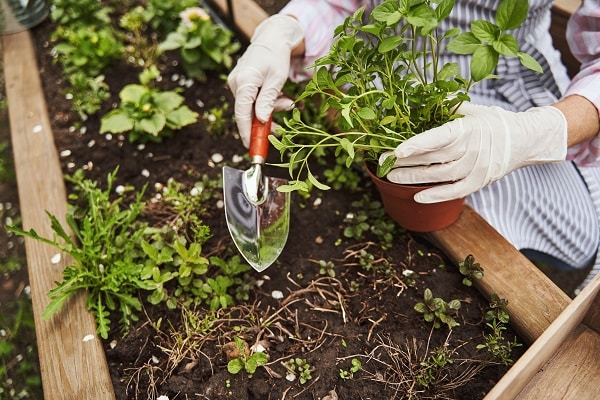
Never overcrowding your garden, and remember to instantly trim out damaged, odd, or crowded stalks on plants. Crowded plants are prone to diseases, such as powdery mildew, as they create their own humidity. Be careful when spacing transplants, and also focus on your established plants as they spread. Spreading out your plants can improve airflow around them, reducing the high levels of humidity that can lead to diseases.
Moreover, plants spaced too closely together tend to experience poor growth as they compete for water, light, and other nutrients, making them even more susceptible to disease attacks. Diseases also often spread when one infected leaf comes in contact with a healthy one, which occurs mainly due to the poor spacing between plants.
Wrapping Up
Gardening can be a time-consuming and demanding task that requires a lot of effort, but at the same time, it is also incredibly rewarding. We hope you can keep your garden healthy with the help of the tips given above. Happy gardening!