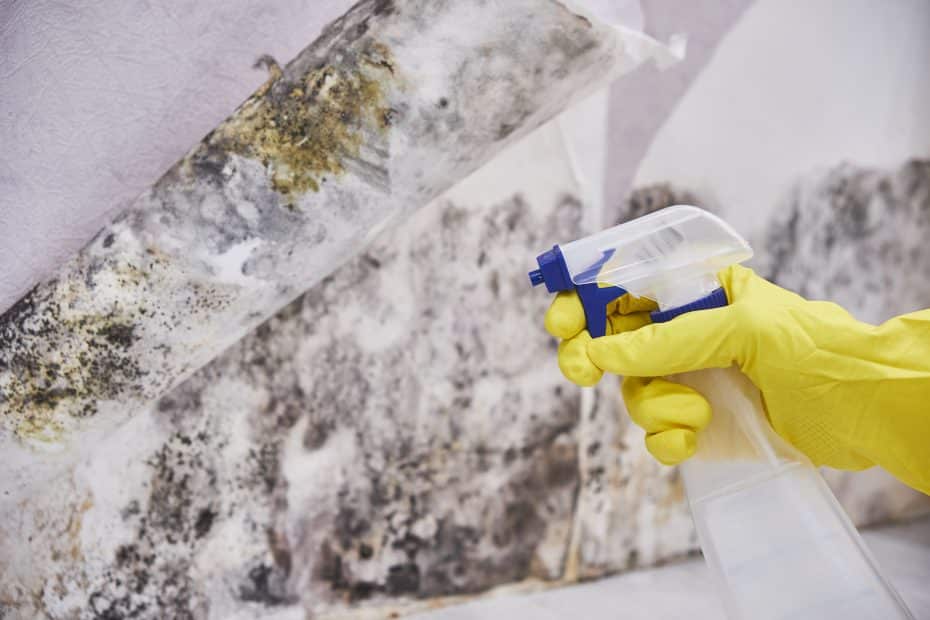
Stepping into your home should offer comfort and sanctuary, not a confrontation with unpleasant odors or visible mold spots. The presence of mold is more than just a cosmetic issue; it poses genuine health risks and can wreak havoc on the structural integrity of your property. This guide aims to equip you with actionable strategies to prevent mold from gaining a foothold in your living spaces. By understanding the conditions that encourage mold growth and implementing effective countermeasures, you can protect both your well-being and your home’s longevity. So, let’s delve into the practical steps you can take to maintain a healthier, mold-free environment!
Contents
The Science Of Mold Growth
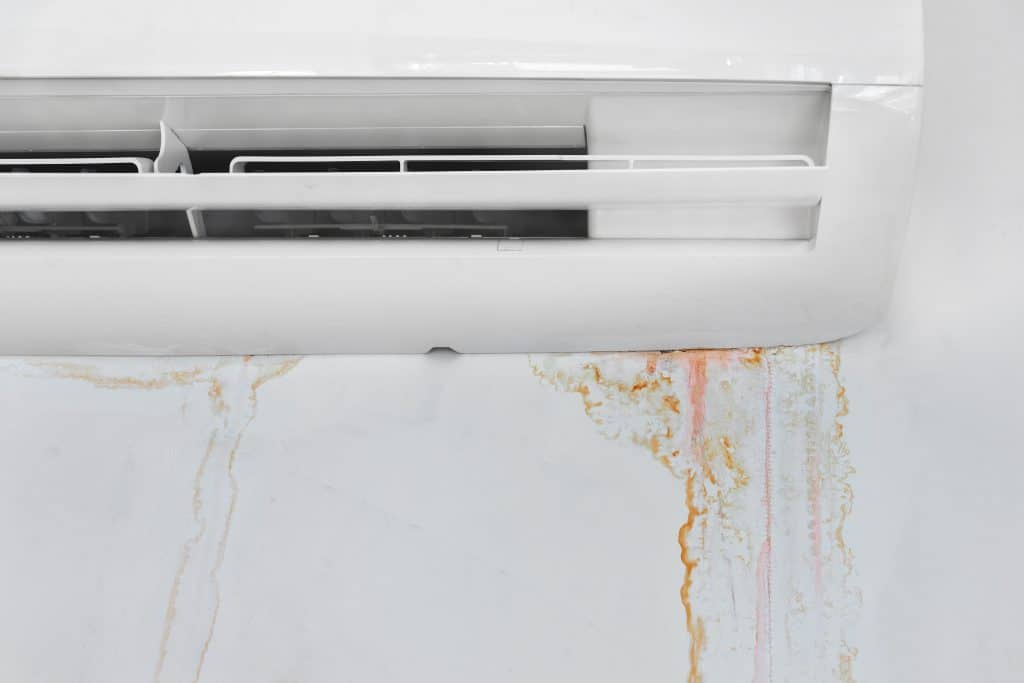
Mold is not a random occurrence but a biological process with specific requirements: moisture, warmth, and organic material. Grasping these fundamentals is the cornerstone of effective mold prevention. Moisture is often the catalyst, originating from various sources such as leaks, high humidity, or inadequate ventilation. When these conditions are met, airborne mold spores find a hospitable environment, leading to unwanted growth.
Ignoring the science behind mold growth can have costly repercussions, both financially and health-wise. Mold remediation services can be expensive and disruptive, while health complications from mold exposure can range from mild irritations to severe respiratory issues. Therefore, a deep understanding of what causes mold to grow is your first line of defense in prevention.
Identifying High-Risk Areas In Your Home

Bathrooms often serve as a breeding ground for mold due to their inherent moisture levels and frequently poor ventilation. The humidity generated from hot showers creates an ideal environment for mold to thrive. Basements are another common area of concern, particularly if they lack proper ventilation or have a history of water damage.
While Bathrooms and basements are some of the most common high-risk areas for mold, the kitchen can be a breeding ground. The moisture generated from cooking, coupled with occasional spills, creates the perfect conditions for mold. Additionally, closets, especially those against exterior walls, can accumulate moisture through condensation, making them another area to monitor closely. Recognizing these high-risk zones is crucial for targeted mold prevention.
Daily Habits To Keep Mold At Bay

Effective ventilation is a key component in your anti-mold strategy. Ensuring that air flows freely through windows, utilizing exhaust fans, and maintaining open spaces can dramatically reduce moisture accumulation. In moisture-prone areas like bathrooms and kitchens, adequate ventilation can help disperse humidity, minimizing the chances of mold growth.
Consistent cleaning routines are equally important. By diligently keeping surfaces dry and clean, you remove the fertile ground on which mold thrives. Employing dehumidifiers and air conditioners can further assist in maintaining a balanced indoor humidity level, ideally between 30-50%. These devices are particularly beneficial in areas most vulnerable to mold, such as basements and bathrooms.
Opting For Mold-Resistant Materials
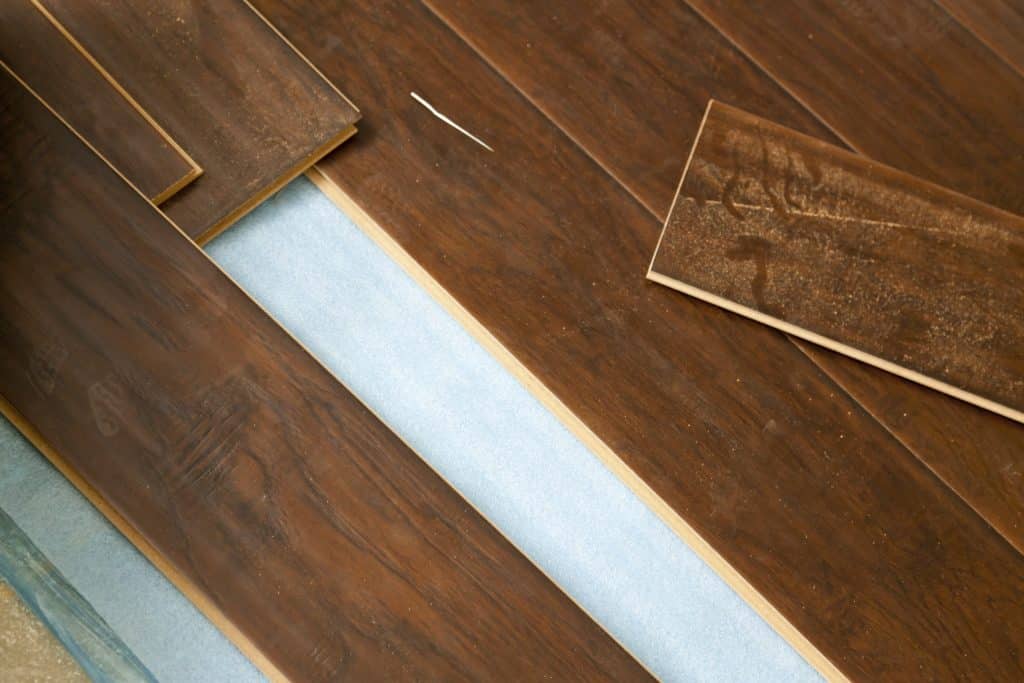
Selecting mold-resistant materials for your home serves as a proactive measure in your fight against mold. When painting walls, consider using paints infused with mildewcides—chemicals designed to inhibit mold and bacterial growth. For upholstery and curtains, synthetic fibers like polyester offer a less hospitable environment for mold compared to natural fibers such as cotton.
Flooring choices can also be a game-changer in mold prevention. While carpets may offer a cozy feel, they are highly susceptible to moisture retention, making them a hotbed for mold. In contrast, materials like tiles or laminates are less porous and easier to dry, reducing the likelihood of mold taking root.