


Using Traps and Baits Wisely
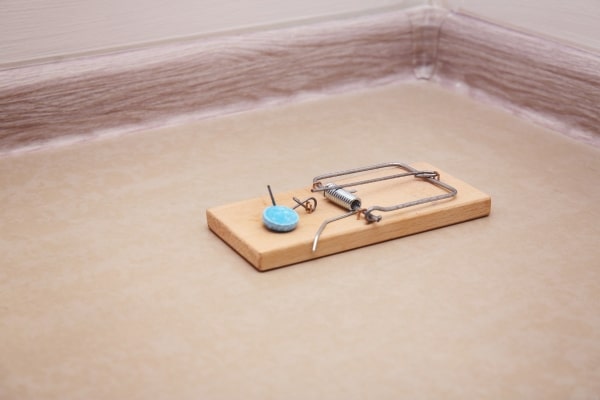
To effectively control a rodent population, the strategic use of traps and baits can be crucial. Different types of traps, such as snap traps, live traps, and glue boards, each have their specific applications and benefits. Placement is key: traps should be set along walls or in areas where rodent activity is known or suspected. It’s important to use a sufficient number of traps and check them regularly, disposing of any caught rodents promptly and humanely.
In addition to mechanical traps, bait stations can also provide an effective solution. These should be used with caution, particularly in homes with children or pets. Bait stations contain poison that attracts rodents, leading to their demise shortly after ingestion. It’s critical to position these stations in secluded areas where only rodents can access them and to follow the manufacturer’s instructions closely to prevent accidental poisoning of non-target species.
Natural Deterrents

Natural deterrents offer a humane and environmentally friendly alternative to traps and chemical baits. Substances like peppermint oil, clove oil, or cayenne pepper can be used to repel rodents due to their strong scents that rodents find unpleasant. These can be applied around potential entry points or in areas where rodents are frequently noticed. Refreshing these deterrents regularly ensures they remain effective over time and helps maintain a rodent-free environment.
Another beneficial approach is to use predators as natural deterrents. Owning a cat can significantly reduce rodent occurrences, as their presence alone can be a deterrent. Additionally, installing owl boxes in your garden can attract natural rodent predators if you live in an area conducive to owls. Encouraging natural predators to visit your property can be an effective and natural method to control the rodent population without the need for mechanical traps or poisons.
When to Call a Professional

There are situations when home remedies and over-the-counter solutions are not enough to manage a rodent infestation. If you have repeatedly placed traps and seals, and yet signs of infestation persist, it might be time to call in professional pest control services. A professional exterminator can offer more intensive solutions, including fumigation and the use of professional-grade traps and baits that are not available to the general public.
Selecting the right pest control service is crucial. Look for certified and reputable professionals who offer guarantees on their work. Professionals are trained to assess the extent of an infestation, identify all potential entry points, and execute a targeted elimination strategy that is safe and effective. Regular follow-ups and preventative treatments can also help ensure that your home remains rodent-free in the long term.
Safeguard Your Home Against Rodents
With the right strategies and consistent efforts, keeping your home rodent-free is an achievable goal. The steps outlined provide a comprehensive approach to deter and manage rodent populations effectively. Remember, the key to success lies in proactive prevention, regular maintenance, and timely intervention when necessary. By staying vigilant and employing these techniques, you can maintain a safe and healthy living environment that is unwelcoming to rodents.