
Water And Vinegar
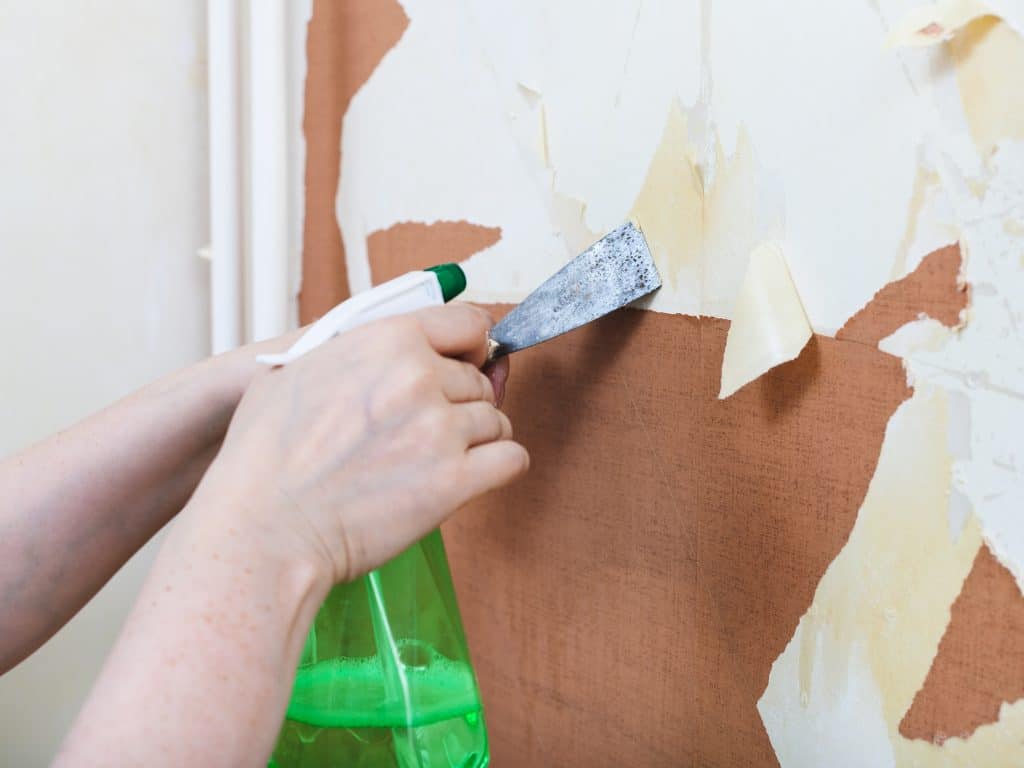
If you don’t want to go out and buy a steamer or chemical stripper, you can always try using water and vinegar, which is one of the most popular methods for removing wallpaper that is not too old or damaged. You will need a spray bottle, sponge, bucket of warm water with two tablespoons of white vinegar added to it, and a putty knife. First, spray the water and vinegar mixture onto the wallpaper.
Let it sit for a few minutes to loosen the wallpaper’s glue.
When you are ready to remove the wallpaper, use a putty knife to score along the edges of each section. Slowly peel off one wallpaper section at a time, soaking up any excess water and vinegar with a sponge. Continue until you’ve removed all of the wallpaper. This method is perfect for removing old, cracked, or damaged wallpaper that has already begun to come loose from the wall.
Liquid Detergent And A Scoring Tool

For those with vinyl wallpaper or wallpaper that has been painted over, the best way to remove it is with liquid laundry detergent and a scoring tool. The process for removing this type of wallpaper is similar to the traditional one. Still, there are some additional steps you’ll need to take in order to avoid damaging the underlying wall.
To start:
- Use a liquid laundry detergent and a sponge to create a soapy mixture.
- Let the mixture sit on the wallpaper for several minutes to loosen it up.
- Use a scoring tool to gently cut into each wallpaper section’s edges.
- Slowly peel off one section at a time, using a damp sponge or cloth to remove any excess liquid detergent.
Depending on your wallpaper and wall condition, you may need to repeat this process a few times before successfully removing the wallpaper.
Things To Keep In Mind When Removing Wallpaper
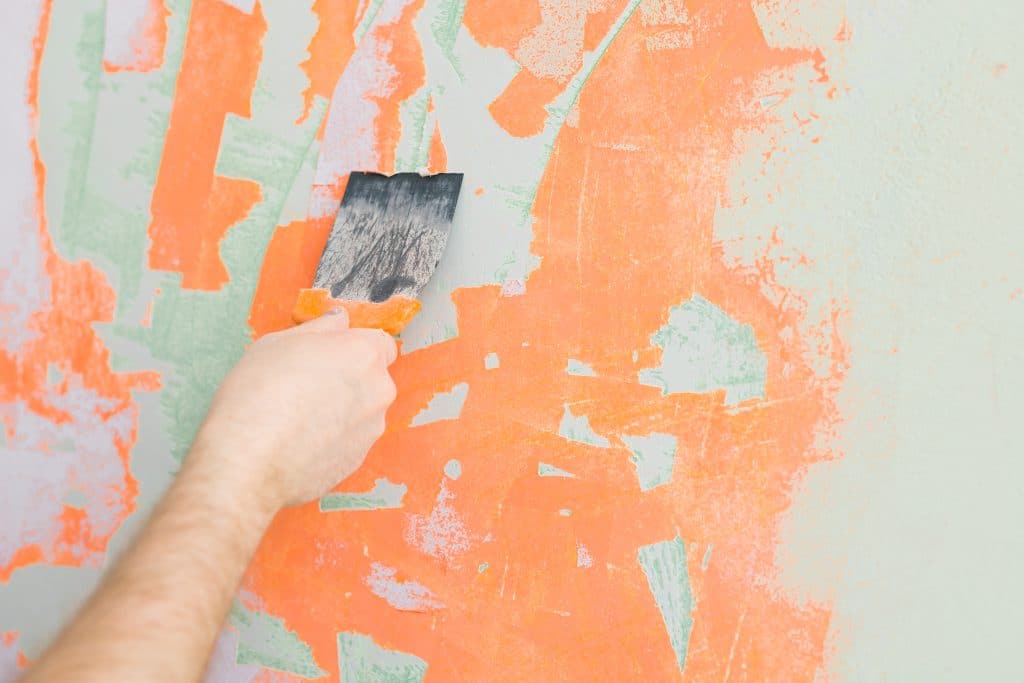
Regardless of what method you choose to use, there are a few essential things to keep in mind when removing wallpaper. Firstly, ensure that you wear protective gear, such as gloves and a mask, when using chemical strippers or other harsh chemicals. Also, always work in a well-ventilated room, and be careful not to damage the underlying wall as you peel off the wallpaper.
Finally, it’s important to proceed slowly when removing large sections of wallpaper so that you don’t accidentally damage other parts of your wall or leave behind any residue. And if any residue is left behind after you’ve finished removing the wallpaper, you can use a wet cloth or sponge to clean it off gently.
Follow This Guide To Successfully Remove Wallpaper!
Whether you are removing old, damaged wallpaper or trying to get rid of stubborn vinyl wallpaper, many effective methods can help. Whether you decide to spend the money on a steamer or chemical stripper or try a more DIY approach using water and vinegar or liquid detergent and a scoring tool, the most important thing is to be patient and take your time. You can successfully remove even the most stubborn wallpaper with a little effort and some basic safety precautions. So why wait? Get started today!
