Meal prepping has emerged as a powerful strategy for those looking to streamline their diet and finances. By dedicating a portion of time to preparing meals in advance, individuals can significantly cut down on daily cooking time and reduce grocery bills. This approach not only caters to budget-conscious and time-strapped individuals but also promotes healthier eating habits by providing control over ingredients and portion sizes. In this comprehensive guide, you’ll delve into the essential steps and strategies for effective meal prepping, demonstrating how it can transform your eating habits and save you time and money!
Contents
The Basics of Meal Prepping
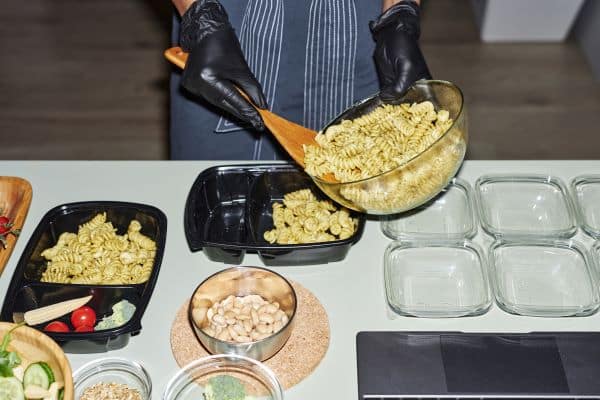
Understanding meal prepping is the first step towards a more organized and efficient kitchen routine. Meal prepping, at its core, involves planning and preparing meals or meal components ahead of time. It can take various forms, including batch cooking complete meals, preparing individual portions, or simply chopping and storing ingredients for quick assembly later. This practice not only streamlines the meal creation process but also helps in maintaining a balanced diet by making healthy options readily available. Whether you’re cooking for one or a family, meal prepping adapts to fit your lifestyle, offering flexibility and variety in your diet.
Getting started with meal prepping requires a shift in mindset and a bit of planning. Begin by setting realistic goals based on your schedule, dietary preferences, and cooking skills. Start small, perhaps by prepping meals for a couple of days, and gradually increase as you become more comfortable with the process. Invest in quality storage containers and familiarize yourself with basic cooking techniques to enhance efficiency. Embracing meal prepping as a regular part of your routine can transform it from a daunting task to an enjoyable and rewarding part of your week.
Planning Your Meals
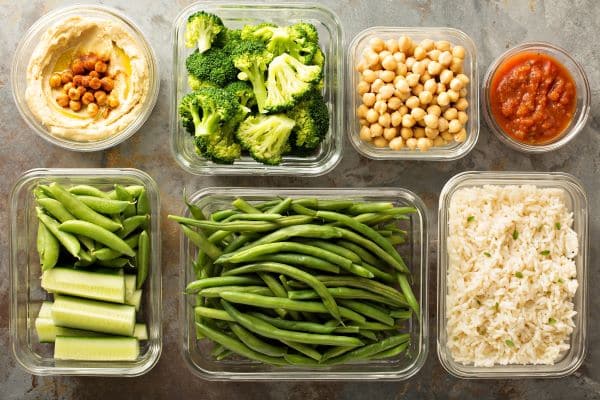
Choosing recipes for meal prepping should prioritize simplicity, nutritional value, and cost-effectiveness. Look for recipes that use similar ingredients to streamline your grocery list and reduce waste. Consider meals that are easy to scale up, store well, and require minimal hands-on cooking time. This approach saves time during the meal prep process and helps manage your food budget more effectively. Integrating a variety of recipes prevents monotony and ensures you’re looking forward to your meals every day.
Creating a meal plan is a critical component of successful meal prepping. Start by deciding the number of meals you need for the week and allocating them across breakfast, lunch, dinner, and snacks. Factor in your weekly schedule to plan for busier days when quick meals might be preferable. A well-organized meal plan ensures a balanced intake of nutrients and helps avoid last-minute unhealthy food choices. Additionally, it can significantly reduce stress by eliminating daily decisions about what to eat, making meal times a more enjoyable experience.
Shopping Smart

Budget-friendly shopping tips are essential for maximizing the benefits of meal prepping. Always begin with a shopping list to avoid impulse buys and ensure you purchase only what you need. Shopping for sales, buying in bulk, and opting for generic brands over name brands can lead to substantial savings. Additionally, focusing on seasonal produce not only reduces costs but also ensures that your meals are fresh and packed with flavor. By being strategic about your grocery shopping, you can significantly reduce your food expenses while still enjoying a diverse and nutritious diet.
Creating a master grocery list streamlines the shopping process and supports your meal prep efforts. This list should be comprehensive, categorizing items by department to save time in the store. Prioritize ingredients that can be used in multiple recipes to minimize waste and enhance meal variety. Keeping a running list of pantry staples on hand simplifies meal preparation and ensures you have the basics for healthy eating. This organized shopping approach saves time and contributes to a smoother and more efficient meal-prepping experience.
Efficient Cooking Strategies

Batch cooking is a cornerstone of efficient meal prepping, allowing you to cook once and eat multiple times. This strategy involves preparing large quantities of a single recipe, which can then be divided into individual portions and stored for later use. Batch cooking is particularly effective for staples like grains, proteins, and soups, which can serve as the foundation for a variety of meals. By dedicating a few hours to batch cooking, you can ensure that a home-cooked meal is always just a quick reheat away.
Time-saving cooking techniques are invaluable for making meal-prepping manageable and enjoyable. Utilize kitchen appliances like slow cookers, pressure cookers, and rice cookers to reduce active cooking time and streamline the meal preparation process. Simple shortcuts, such as using pre-chopped vegetables or pre-cooked proteins, can also save time without sacrificing nutritional value. Incorporating these strategies into your meal prep routine can significantly reduce the amount of time spent in the kitchen, freeing up your schedule for other important activities or relaxation.
Storage and Preservation
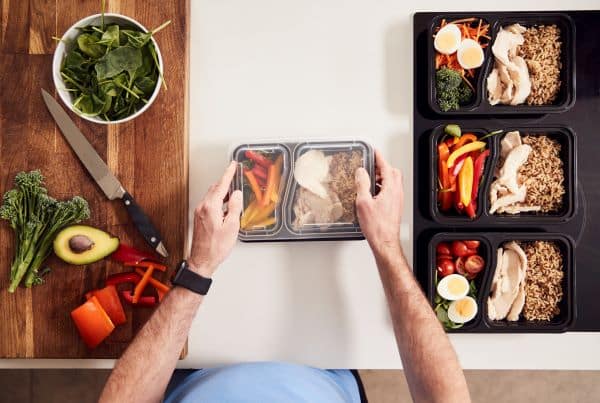
Proper food storage is key to extending the freshness and safety of your prepped meals. Utilizing airtight containers can prevent spoilage and keep meals tasting fresher for longer. It’s essential to label your containers with the contents and the date of preparation to keep track of what you have and ensure you use it while it’s still at its best. Refrigerating meals that will be eaten within a few days and freezing the rest can maximize shelf life and reduce waste. By mastering the art of storage, you can enjoy the fruits of your meal prep labor throughout the week with minimal loss of quality.
Freezing tips offer a way to further extend the life of your meal-prepped dishes. Many meals freeze well, including soups, stews, casseroles, and marinated proteins. To ensure optimal quality upon thawing, cool your meals before freezing and leave a small space in containers to allow for expansion. Using freezer-safe bags and containers can prevent freezer burn and preserve the taste and texture of your food. Thawing properly is just as important; planning ahead to move meals from the freezer to the refrigerator for a slow thaw ensures meals are ready when you are, retaining their flavor and nutritional value.
Making Meal Prepping a Habit
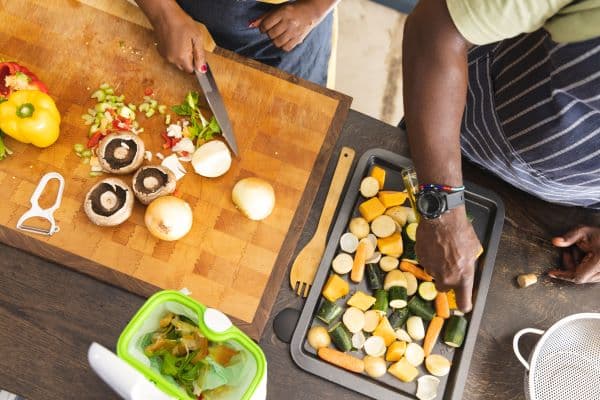
Scheduling regular prep times is crucial for integrating meal prepping into your lifestyle. Consistency turns meal prepping from a sporadic effort into a sustainable habit. Choose a day of the week that works best for you, often the weekend, to do your shopping and cooking. This dedicated time not only becomes a productive routine but also a ritual that can be enjoyable and rewarding. As meal prepping becomes a fixture in your weekly schedule, it will feel less like a chore and more like a valuable part of your health and wellness journey.
Overcoming common challenges in meal prepping is essential for long-term success. Initially, you may encounter obstacles such as time constraints, limited cooking skills, or simply boredom with your meals. Addressing these challenges head-on can help maintain your motivation and commitment to meal prepping. For instance, experimenting with new recipes can add excitement and variety, while learning new cooking techniques can make preparation more efficient and enjoyable. Remember, the goal is to make meal prepping work for you, so adapting your approach to fit your changing needs and preferences is key.
Advanced Meal Prepping Tips

Scaling up your meal prep can save even more time and money, especially for larger families or when hosting guests. By increasing the quantities of meals prepared, you can take advantage of bulk purchasing and significantly reduce the per-meal cost. This requires careful planning and possibly larger batches of cooking, but the efficiency gains can be substantial. Storage space and proper labeling become even more critical as you prep larger quantities, ensuring that every meal is just as fresh and enjoyable as if it were made the day of.
Diversifying your menu is essential to keep your meal prep routine from becoming stale. This can include incorporating international cuisines, trying out new cooking techniques, or simply experimenting with different ingredients. Seasonal changes offer an excellent opportunity to refresh your menu, taking advantage of fresh produce and seasonal flavors. This keeps your diet interesting and ensures you’re getting a wide range of nutrients. Remember, the more you enjoy the meals you prep, the more likely you are to stick with the habit.
Savor the Success of Meal Prepping
Getting started with meal prepping is an empowering journey toward efficiency, savings, and healthier living. By incorporating the strategies discussed, from smart shopping and efficient cooking to proper storage, you’ll unlock your kitchen’s full potential. This guide lays the foundation, but your creativity and personal touch will turn meal-prepping into a rewarding habit. Let the journey to a more organized, cost-effective, and nutritious lifestyle begin today.