


Watering plants might seem like a straightforward task: you take a watering can, fill it up, and pour it over your plants. Yet, many plant enthusiasts might be unaware that there’s a science and technique to watering that can drastically affect the health of your green companions. Like humans, plants have specific hydration needs, and getting it wrong can lead to a plethora of issues, from weak root systems to diseases. This article dives deep into the intricacies of watering and highlights common mistakes that could be depriving your plants of their full potential.
The Basics Of Plant Hydration
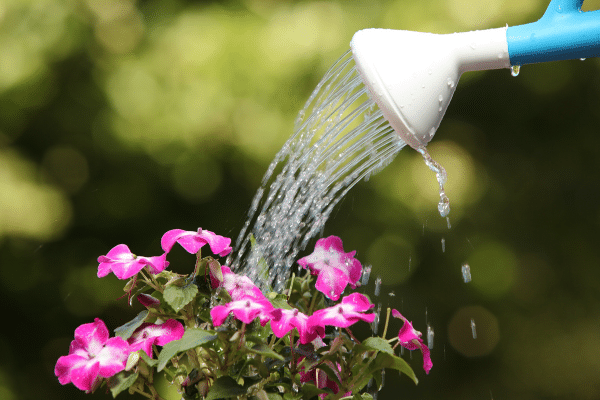
Plants, akin to all living organisms, depend on water for their survival. While the importance of hydration is universally known, understanding how plants actually utilize water can transform one’s approach to watering. Each drop serves various functions, from aiding in photosynthesis, transporting nutrients, to supporting cell structure. Simply put, water is the lifeblood of a plant.
Yet, it’s a fine line between adequate hydration and drowning your beloved greenery. Overwatering is one of the most common mistakes people make. It’s not just about the amount but the frequency. Continual saturation can cut off oxygen, lead to root rot, and provide a breeding ground for pests. Conversely, underwatering deprives plants of their necessary nutrients and can cause them to wilt, bear fewer flowers, or in extreme cases, die. The key lies in achieving the golden balance of hydration.
Choosing The Right Water
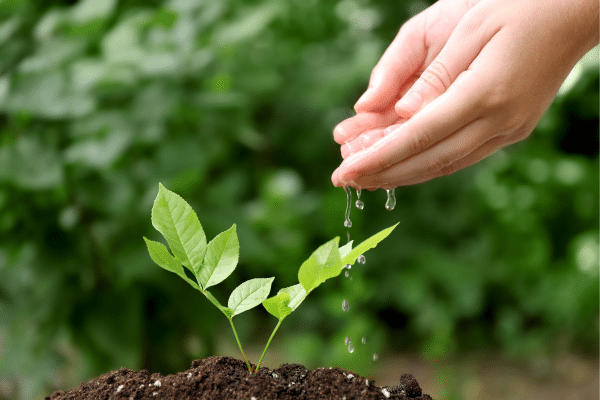
Believe it or not, not all water is created equal when it comes to plant care. Many households rely on tap water to quench the thirst of their plants. However, tap water often contains chlorine, fluorides, and other chemicals that, while safe for humans, might not be ideal for sensitive plants. Over time, these chemicals can accumulate in the soil, impacting its pH and harming beneficial microorganisms.
The natural alternative that many gardening experts recommend is filtered or rainwater. Collecting rainwater in barrels or using a good filtration system can ensure that plants receive pure, chemical-free hydration. This not only aids in the healthy growth of the plant but also ensures the soil remains uncontaminated and fertile. Remember, just as humans prefer pure, clean water, so do plants. Choosing the right source can make a significant difference in their overall health.
Watering At The Right Time

Many might think that the time of day when plants are watered is inconsequential. However, timing plays a pivotal role in how effectively plants utilize the water they receive. Watering during the hottest parts of the day can cause rapid evaporation, leading to minimal absorption by the roots. Moreover, sun rays can magnify through water droplets on leaves, potentially causing scorch marks or even burns.
Conversely, choosing to water during the early morning or late evening can optimize the plant’s hydration process. In the cooler temperatures of dawn, water has a better chance of penetrating deep into the soil, allowing roots to absorb it at their leisure. Evening watering, though sometimes contentious due to potential overnight fungus growth, does offer plants a chance to replenish their water reserves after a long day of photosynthesis.