
In the diverse and intricate world of plant care, the presence of deadly fungi stands as a formidable challenge for both amateur and seasoned gardeners. These silent invaders, often unnoticed until it’s too late, can wreak havoc on your beloved plants, leading to deterioration and death. This article serves as an essential guide, illuminating the shadowy realm of deadly fungi among plants. By understanding what these fungi are, recognizing their signs, and learning management strategies, you can effectively safeguard your green oasis and ensure its thriving health.
Understanding Fungi

Fungi, a kingdom of organisms distinct from plants, animals, and bacteria, play a critical role in the ecosystem, especially in relation to plants. They range from beneficial symbionts that aid in nutrient absorption to harmful pathogens causing diseases. Understanding fungi involves recognizing their unique characteristics: they reproduce through spores, thrive in moist environments, and can live as symbionts or parasites. Grasping the basics of fungal biology and ecology is crucial for gardeners to distinguish between the fungi that are allies in their gardens and those that pose a threat.
Common Deadly Fungi in Plants

Among the plethora of fungi interacting with plants, a few notorious ones stand out for their detrimental effects. Key players include Phytophthora, notorious for root rot and dieback; Fusarium, infamous for wilting and damping-off diseases; and Verticillium, which causes vascular wilting and death. These fungi are characterized by distinct symptoms like discolored leaves, stunted growth, and rotting tissues. Identifying these fungi early is essential, as they can quickly spread and cause irreversible damage to a wide range of plant species, affecting both home gardens and commercial crops.
Conditions Favoring Fungal Growth
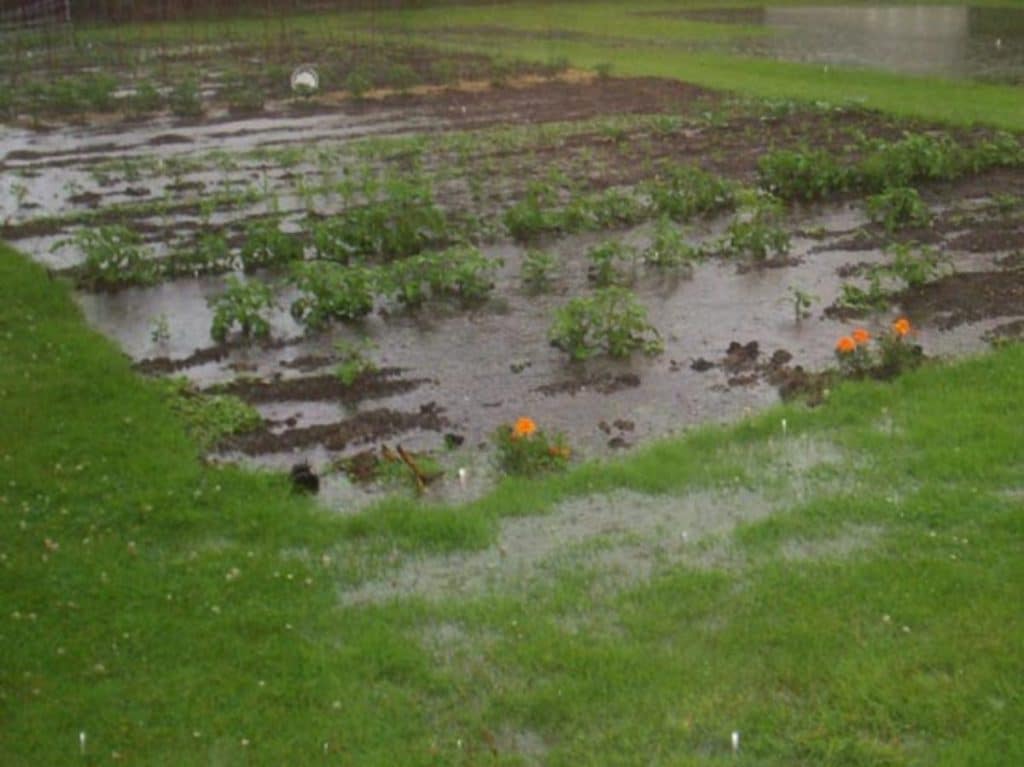
Deadly fungi flourish under specific environmental conditions, and understanding these can be key in managing their spread. High humidity, warm temperatures, and poor soil drainage are prime conditions for fungal growth. Gardeners need to be vigilant about these factors, especially in climates prone to such conditions. Modifying the environment, such as improving soil drainage, regulating humidity, and maintaining optimal temperatures, can significantly hinder the proliferation of these fungi. Preventative measures, including selecting resistant plant varieties and rotating crops, also play a pivotal role in minimizing the risk of fungal infestations.
Identifying Fungal Infections in Plants
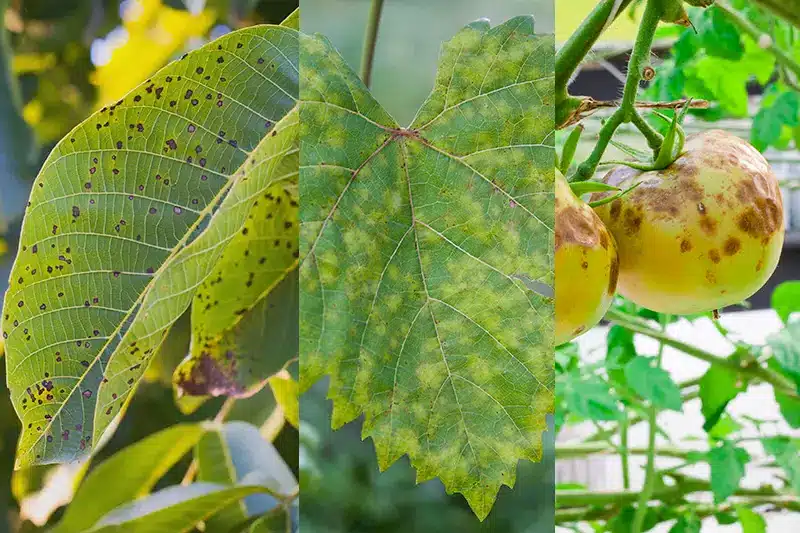
The early identification of fungal infections in plants is pivotal for effective management and control. Gardeners should regularly inspect their plants for common signs of fungal disease, such as unusual leaf spots, powdery or downy mildew, rust, and rotted roots or stems. Familiarity with these symptoms allows for quick action, potentially saving the plant and preventing the spread to others. Additionally, a visual guide or gallery of common fungal symptoms can be an invaluable tool for gardeners, enabling them to match symptoms with specific fungal diseases accurately.
Knowing when and how to inspect plants is equally important. Routine checks, especially during humid or wet seasons, can catch infections early. Gardeners should pay close attention to changes in leaf coloration, texture, and overall plant vigor. If a fungal infection is suspected, isolating the affected plant and seeking expert advice or diagnostic services can confirm the presence of fungal disease and guide the appropriate response.
Treatment and Management of Fungal Infections

Once a fungal infection is identified, immediate and appropriate treatment is essential. Chemical fungicides can be effective, but their use should be considered carefully, taking into account the type of fungus, the severity of the infection, and the potential impact on the environment and non-target organisms. In some cases, natural remedies, such as neem oil or baking soda solutions, can provide a more eco-friendly alternative. Alongside treatments, removing and destroying infected plant parts can prevent the spread of the fungus to healthy areas of the plant or to neighboring plants.
Long-term management strategies are crucial for recovering from and preventing future infections. These include improving air circulation around plants, ensuring proper watering practices to avoid excess moisture, and rotating crops in vegetable gardens to disrupt the life cycles of soil-borne fungi. Regular soil testing and amendments can also help in creating an environment less conducive to fungal growth, thereby supporting healthier, more resilient plants.
Prevention Strategies
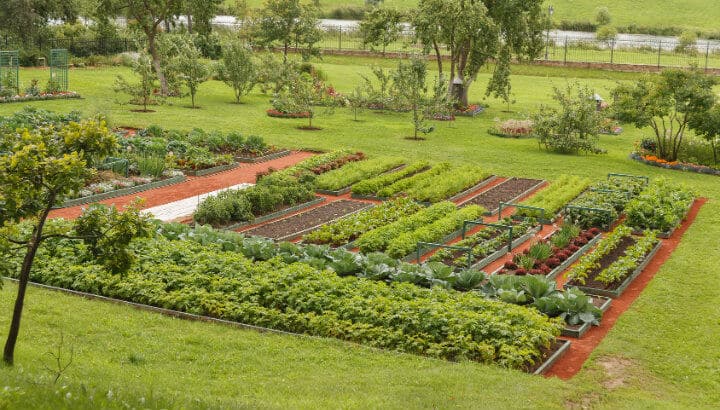
Prevention is often more effective than treatment when it comes to fungal infections in plants. Implementing a robust prevention strategy can save gardeners time, resources, and the heartache of losing plants to disease. Key prevention strategies include selecting disease-resistant plant varieties, which are less likely to succumb to fungal infections. Proper spacing of plants ensures adequate air circulation, reducing the humidity that fungi thrive in, and allows for easier monitoring and maintenance of plants.
Soil health is another critical factor in preventing fungal diseases. Healthy soil supports strong plant growth, making them less susceptible to infections. Practices such as composting, proper fertilization, and crop rotation can maintain or improve soil health. Additionally, sanitizing gardening tools and containers can prevent the spread of fungal spores from infected to healthy plants. By integrating these preventive measures into regular gardening practices, the risk of fungal infections can be significantly minimized, leading to a more vibrant and healthy garden.
Case Studies
Real-life examples offer valuable insights into the identification and management of deadly fungal infections in plants. By examining specific cases, gardeners can learn from the experiences of others and apply these lessons to their own gardens. For instance, a case study might detail how a home gardener successfully identified and treated a Phytophthora infestation in their vegetable garden, highlighting the importance of early detection and the effectiveness of specific treatment strategies. Another case could explore a commercial grower’s struggle with Fusarium wilt, discussing the long-term management changes they implemented to prevent future outbreaks.
These case studies not only provide practical, real-world examples of dealing with fungal infections but also emphasize the diversity of challenges presented by different fungi and environments. They can illustrate the effectiveness of both conventional and innovative treatment methods, from chemical treatments to natural and organic approaches. Additionally, these stories can offer encouragement and proof that even severe fungal infections can be managed and overcome with the right knowledge and actions.
Expert Advice and Resources
Expert insights are invaluable in the complex field of plant pathology and fungal infections. Interviews or contributions from plant pathologists, horticulturists, or experienced gardeners can provide depth and professional perspective to the discussion. These experts can offer advanced tips, debunk common myths, and provide clarity on more complex aspects of fungal infections and plant health. Additionally, they can guide readers on when and how to seek professional help, especially in cases of severe or widespread infections.
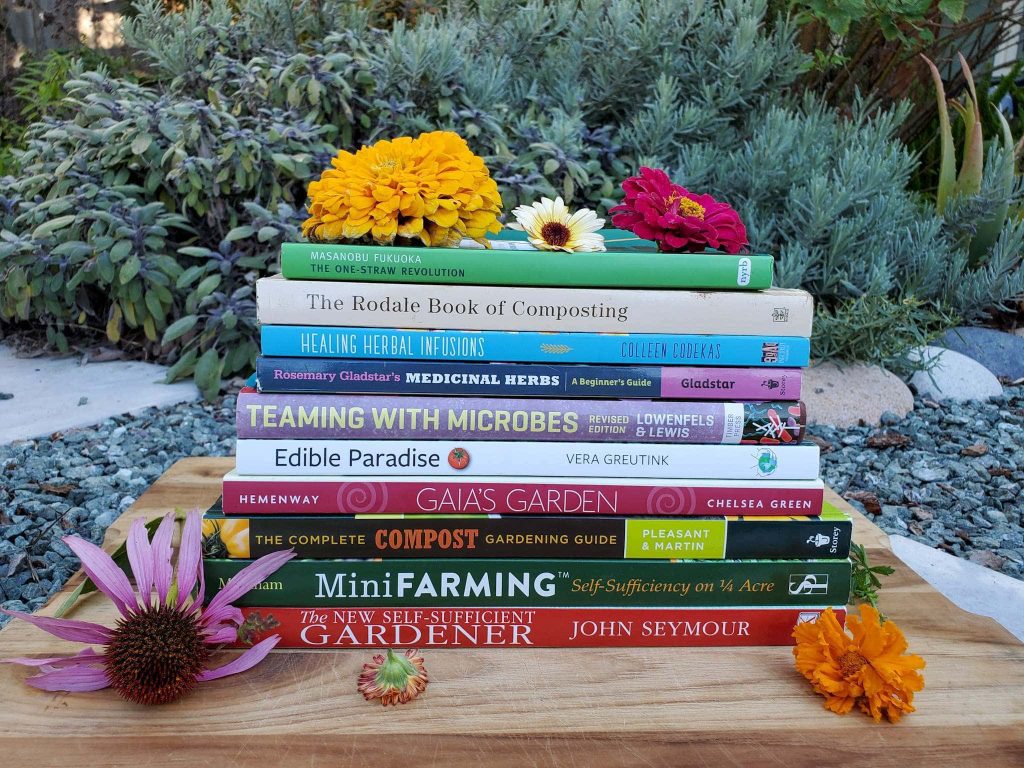
To further assist readers in their quest for healthy plants, a compilation of recommended resources can be extremely beneficial. This might include books, websites, online forums, and local extension services offering advice on plant care and fungal disease management. Providing a list of useful tools, such as moisture meters or soil pH testers, and products, like eco-friendly fungicides or plant health boosters, can also equip readers with the means to better protect their plants. These resources not only empower gardeners with knowledge but also provide practical support for maintaining plant health and preventing future fungal issues.
Fostering a Fungi-Free Garden
The battle against deadly fungi in plants is a continuous and vigilant effort essential for the health and vitality of our gardens. This comprehensive guide offers the knowledge and tools needed to identify, treat, and, most importantly, prevent fungal infections. By staying informed, observing our plants closely, and implementing the strategies discussed, we can maintain healthier, more resilient gardens. Remember, the key to success lies in early detection, prompt action, and consistent preventive measures. Let’s use this knowledge to nurture our green spaces, ensuring they remain lush, thriving, and fungi-free.