

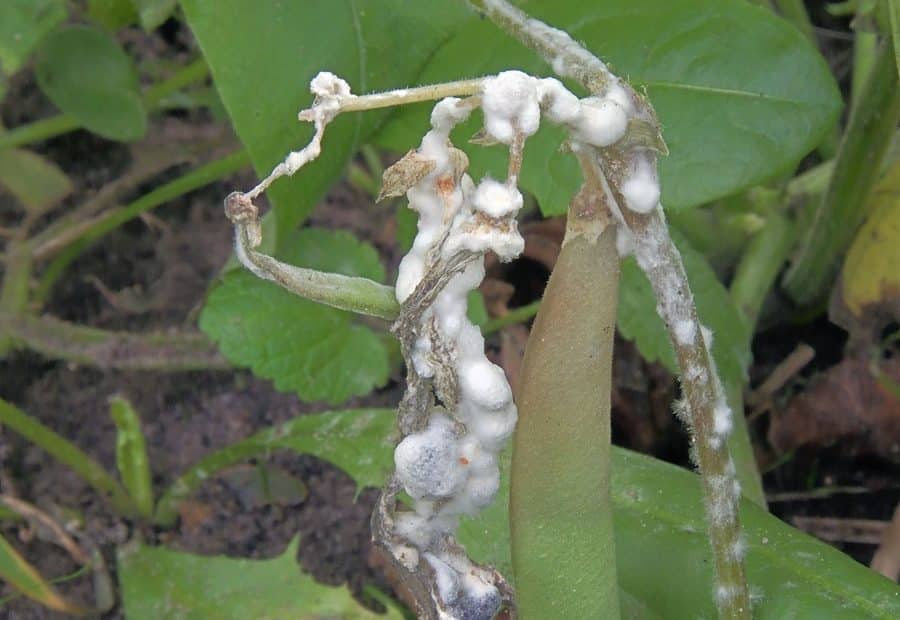
Long-term management strategies are crucial for recovering from and preventing future infections. These include improving air circulation around plants, ensuring proper watering practices to avoid excess moisture, and rotating crops in vegetable gardens to disrupt the life cycles of soil-borne fungi. Regular soil testing and amendments can also help in creating an environment less conducive to fungal growth, thereby supporting healthier, more resilient plants.
Prevention Strategies
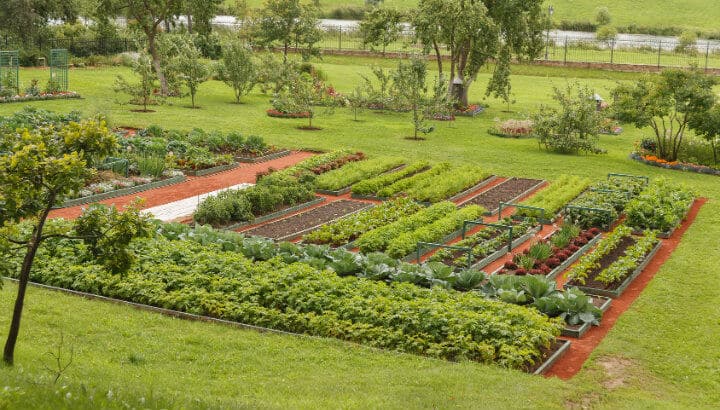
Prevention is often more effective than treatment when it comes to fungal infections in plants. Implementing a robust prevention strategy can save gardeners time, resources, and the heartache of losing plants to disease. Key prevention strategies include selecting disease-resistant plant varieties, which are less likely to succumb to fungal infections. Proper spacing of plants ensures adequate air circulation, reducing the humidity that fungi thrive in, and allows for easier monitoring and maintenance of plants.
Soil health is another critical factor in preventing fungal diseases. Healthy soil supports strong plant growth, making them less susceptible to infections. Practices such as composting, proper fertilization, and crop rotation can maintain or improve soil health. Additionally, sanitizing gardening tools and containers can prevent the spread of fungal spores from infected to healthy plants. By integrating these preventive measures into regular gardening practices, the risk of fungal infections can be significantly minimized, leading to a more vibrant and healthy garden.
Case Studies
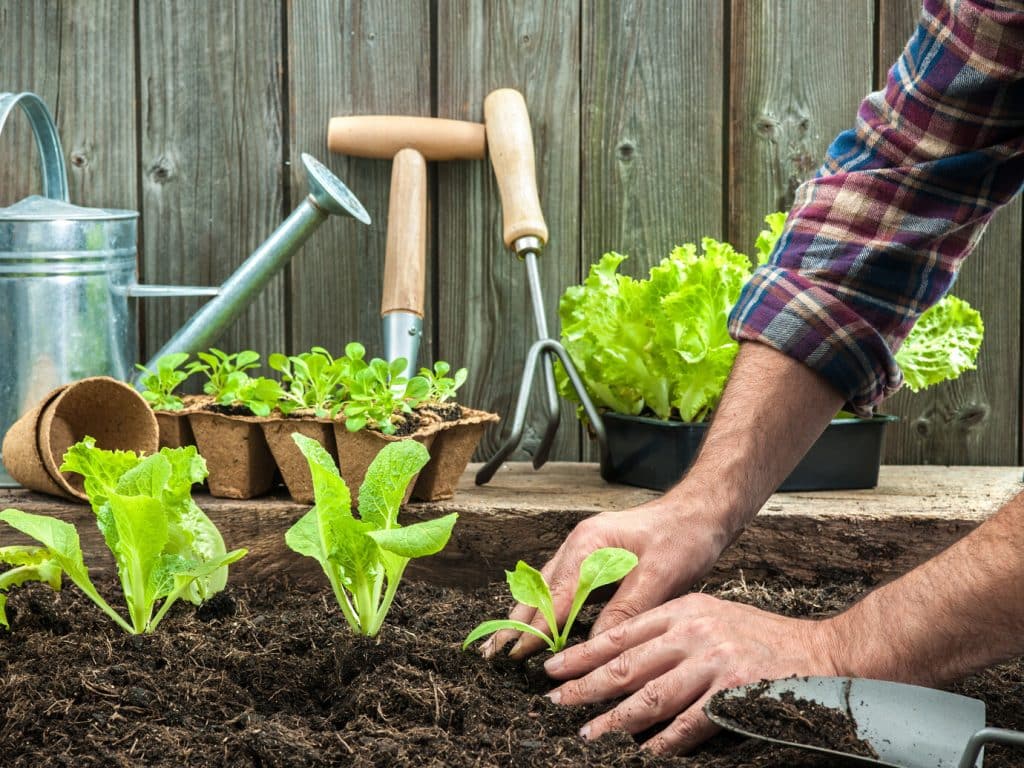
Real-life examples offer valuable insights into the identification and management of deadly fungal infections in plants. By examining specific cases, gardeners can learn from the experiences of others and apply these lessons to their own gardens. For instance, a case study might detail how a home gardener successfully identified and treated a Phytophthora infestation in their vegetable garden, highlighting the importance of early detection and the effectiveness of specific treatment strategies. Another case could explore a commercial grower’s struggle with Fusarium wilt, discussing the long-term management changes they implemented to prevent future outbreaks.
These case studies not only provide practical, real-world examples of dealing with fungal infections but also emphasize the diversity of challenges presented by different fungi and environments. They can illustrate the effectiveness of both conventional and innovative treatment methods, from chemical treatments to natural and organic approaches. Additionally, these stories can offer encouragement and proof that even severe fungal infections can be managed and overcome with the right knowledge and actions.
Expert Advice and Resources
Expert insights are invaluable in the complex field of plant pathology and fungal infections. Interviews or contributions from plant pathologists, horticulturists, or experienced gardeners can provide depth and professional perspective to the discussion. These experts can offer advanced tips, debunk common myths, and provide clarity on more complex aspects of fungal infections and plant health. Additionally, they can guide readers on when and how to seek professional help, especially in cases of severe or widespread infections.
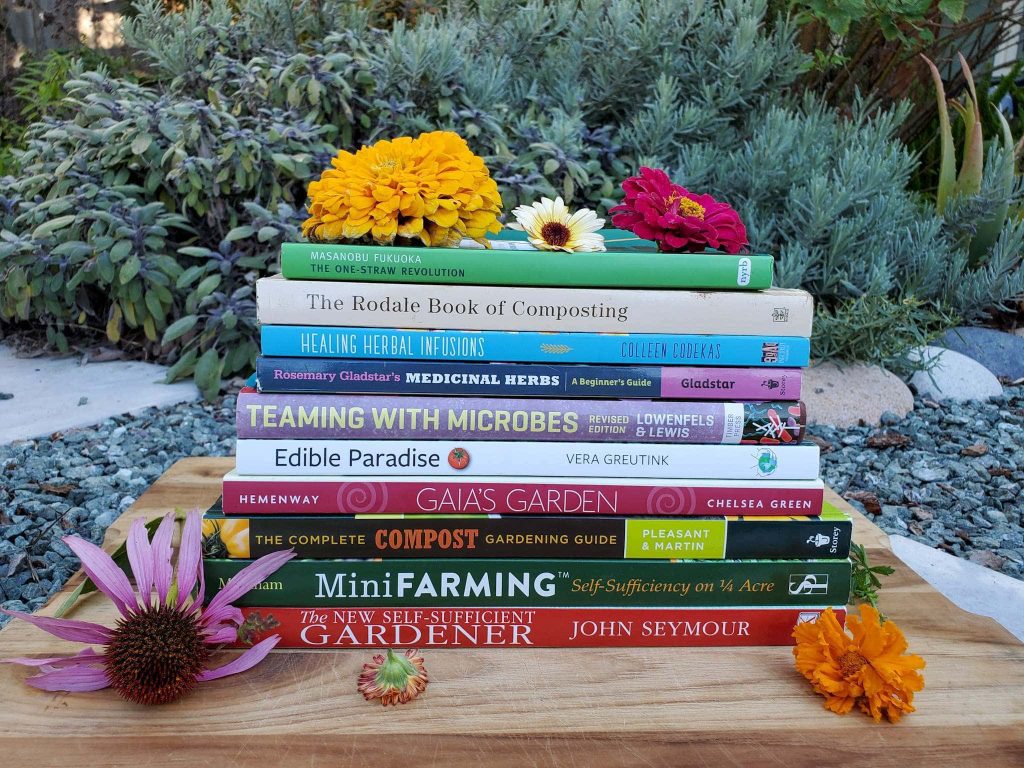
To further assist readers in their quest for healthy plants, a compilation of recommended resources can be extremely beneficial. This might include books, websites, online forums, and local extension services offering advice on plant care and fungal disease management. Providing a list of useful tools, such as moisture meters or soil pH testers, and products, like eco-friendly fungicides or plant health boosters, can also equip readers with the means to better protect their plants. These resources not only empower gardeners with knowledge but also provide practical support for maintaining plant health and preventing future fungal issues.
Fostering a Fungi-Free Garden
The battle against deadly fungi in plants is a continuous and vigilant effort essential for the health and vitality of our gardens. This comprehensive guide offers the knowledge and tools needed to identify, treat, and, most importantly, prevent fungal infections. By staying informed, observing our plants closely, and implementing the strategies discussed, we can maintain healthier, more resilient gardens. Remember, the key to success lies in early detection, prompt action, and consistent preventive measures. Let’s use this knowledge to nurture our green spaces, ensuring they remain lush, thriving, and fungi-free.