

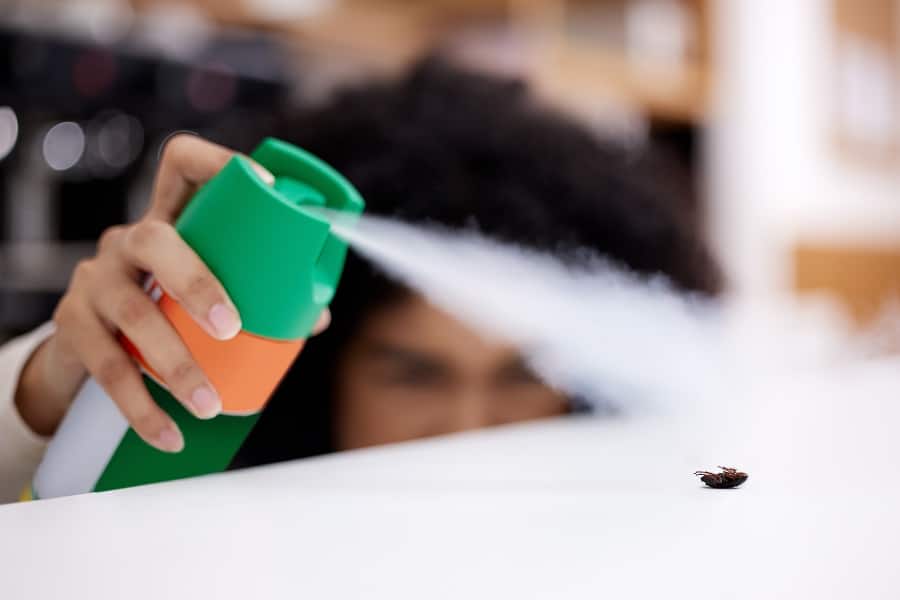
Disease Carriers: Mosquitoes And Ticks
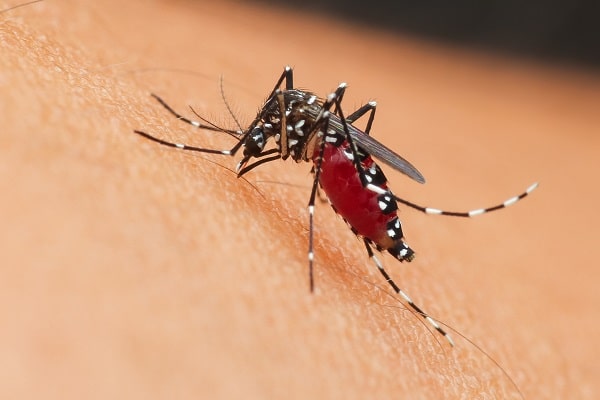
Mosquitoes, though small, are formidable carriers of diseases. Equipped with specialized mouthparts, they pierce the skin to feed on the blood of their hosts, simultaneously injecting saliva that can transmit disease-causing pathogens. Mosquitoes are vectors of diseases like malaria, dengue fever, and Zika virus, among others. Their presence is often betrayed by the itchy, red bumps left behind after feeding and their distinctive high-pitched buzzing sound.
Ticks are another set of notorious disease carriers often found in wooded and grassy areas. These arachnids latch onto the skin of their hosts to feed on blood, and in the process, can transmit diseases such as Lyme disease and Rocky Mountain spotted fever. Identifying ticks promptly and removing them is crucial to minimize the risk of disease transmission. Preventive measures, including wearing appropriate clothing in tick-infested areas and using insect repellents, are essential strategies to avoid tick bites and associated diseases.
Preventing Infestations
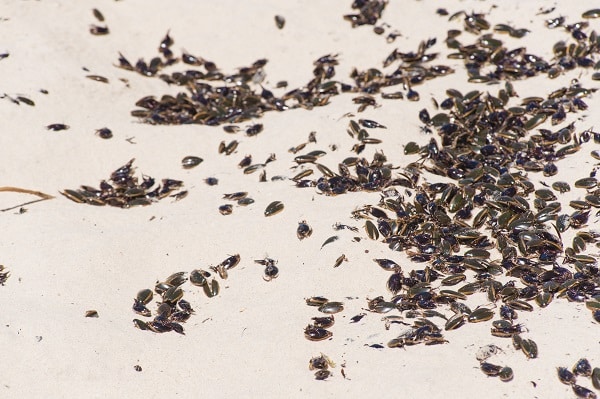
In the quest to keep dangerous insects at bay, proper sanitation and maintenance play pivotal roles. A clean environment is less inviting to pests; hence, regular cleaning schedules and the elimination of clutter are instrumental. Addressing food storage, waste management, and water accumulation can significantly reduce the attraction for insects. Similarly, sealing entry points like cracks, gaps, and holes, particularly around windows, doors, and walls, is vital in denying access to these unwelcome guests.
Professional pest control services offer another layer of defense in managing and eliminating risks associated with dangerous insects. These experts are equipped with the knowledge, tools, and techniques to effectively handle infestations. They assess the specific needs and challenges of each household, offering tailored solutions to exterminate pests and prevent future invasions. Homeowners and residents can benefit greatly from scheduled inspections and treatments to maintain a safe and pest-free living environment.
In Case Of Insect Bites Or Stings

The immediate aftermath of an insect bite or sting demands swift and appropriate action to mitigate adverse effects. First-aid treatments vary depending on the offending insect; however, general steps include cleaning the affected area, applying a cold compress to reduce swelling, and using topical treatments to alleviate pain or itchiness. Over-the-counter pain relievers and antihistamines can also be helpful in managing symptoms. Keeping an eye on the affected individual for signs of severe allergic reactions is essential to ensuring timely medical intervention if necessary.
Seeking professional medical help becomes imperative when severe reactions occur or if bites or stings are from highly venomous insects. It is crucial to provide healthcare professionals with detailed information on the encounter, including the type of insect (if known), the reaction observed, and the time elapsed since the incident. This information facilitates accurate diagnosis and appropriate treatment, enhancing the affected individual’s chances of a swift and complete recovery.
The Bottom Line
Dangerous insects in the home are a concern that can be mitigated with awareness, preventive measures, and appropriate responses to bites or stings. This article has unveiled essential information on identifying, managing, and treating encounters with harmful insects. Armed with this knowledge, individuals can foster a safer living environment. The emphasis remains on proactive measures, from maintaining cleanliness to seeking professional pest control assistance, each playing a crucial role in safeguarding the household from the threats posed by these unwelcome guests.