


Burning Bush (Euonymus alatus)

Burning Bush is named for its vibrant red foliage that ignites landscapes with color in the fall. It’s a popular choice for gardeners seeking to add a splash of color to their gardens. However, this plant’s invasive tendencies pose significant environmental concerns. It spreads rapidly, its seeds dispersed by birds, and can quickly colonize a wide variety of habitats, displacing native flora.
In areas where Burning Bush is prevalent, it alters soil chemistry and disrupts native ecosystems. It has a propensity to form dense thickets, overshadowing and outcompeting native vegetation for light and nutrients. As native plants diminish, so do the insects and animals that depend on them for survival. The consequences of its invasion are far-reaching, affecting not only plant diversity but also the larger ecosystems and wildlife populations.
Japanese Barberry (Berberis thunbergii)

Japanese Barberry is admired for its ornamental appeal, including its small, vibrant leaves and colorful berries. However, the plant’s ability to thrive in a variety of environmental conditions has contributed to its invasive spread across North America. It forms dense thickets that shade out native vegetation and disrupt the natural flora and fauna of ecosystems it invades.
A notable concern linked to the proliferation of Japanese Barberry is its association with increased tick populations and the subsequent rise in Lyme disease cases. The plant creates a favorable microhabitat for ticks, leading to an uptick in their numbers where barberry is prevalent. Additionally, the dense thickets it forms prevent the growth of native plants, leading to reduced plant diversity and the disruption of ecosystems. This underlines the importance of considering the ecological impacts of planting Japanese Barberry, despite its aesthetic appeal.
Butterfly Bush (Buddleja davidii)
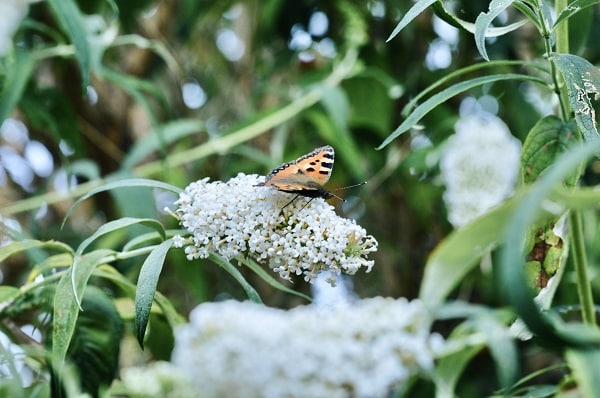
Butterfly Bush is a popular plant among gardeners, known for its ability to attract butterflies with its fragrant, colorful blooms. However, this plant, native to China, is not as benign as it may seem. It has a rapid growth rate and can reproduce prolifically, leading to its spread into natural areas where it often outcompetes native vegetation.
The plant doesn’t just displace native vegetation but can also have a significant impact on native butterfly species. While it does provide nectar, it is not a host for caterpillars of many native butterfly species, meaning it doesn’t support the full lifecycle of these insects. As a result, while adult butterflies can feed on Butterfly Bush, their offspring may face reduced survival rates due to a lack of appropriate host plants.
Autumn Olive (Elaeagnus umbellata)

Autumn Olive, introduced to North America for erosion control and as an ornamental plant, has become a widespread invasive species. It proliferates quickly, producing a large number of seeds that are easily dispersed by birds and other wildlife. Its ability to fix nitrogen in the soil allows it to thrive in a variety of environments, often leading to its domination over native plants.
The rapid and uncontrolled spread of Autumn Olive leads to a decline in biodiversity as it displaces native plants and disrupts local ecosystems. Additionally, while the plant’s ability to fix nitrogen can improve soil fertility, this alteration of soil chemistry can also make the environment unsuitable for certain native plant species. The widespread establishment of Autumn Olive can lead to homogenized landscapes, devoid of the diverse ecosystems that support a myriad of wildlife and plant species.
The Bottom Line
Invasive plant species, while sometimes attractive, pose significant challenges to native ecosystems, leading to reduced biodiversity and disrupted natural processes. Each plant listed here, though popular for its aesthetic or utilitarian values, brings considerable ecological concerns. A careful selection of native or non-invasive alternatives, informed by an understanding of the potential impacts of these invasive species, can help maintain ecological balance, promote biodiversity, and support the health and vitality of local environments and wildlife.