


Hard Items

Hard items like bones, fruit pits, and shells can wreak havoc on your garbage disposal. These materials are too tough for the impellers to grind effectively, leading to dull blades and an overworked motor. In extreme cases, hard items can cause the motor to burn out, requiring a complete unit replacement.
The best action is to dispose of these items in the trash or compost them if applicable. Some specialized disposals claim to handle bones and similar hard items, but it’s generally safer to avoid putting them in garbage disposal. Remember, a disposal is designed for food scraps, not hard, indigestible materials.
Starchy Foods
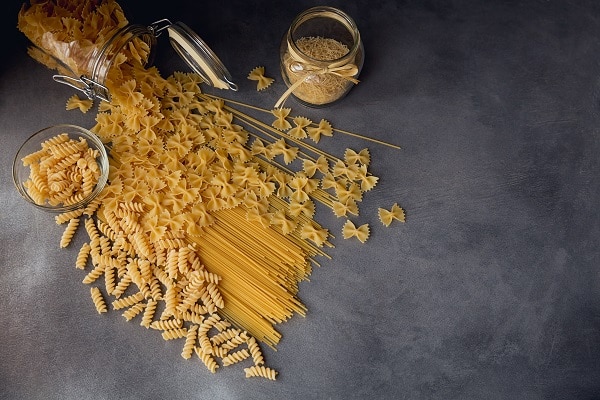
Starchy foods like pasta, rice, and potatoes may seem harmless, but they pose a unique problem for garbage disposals. When these foods come into contact with water, they expand and become sticky. This can lead to clogs in the disposal and the pipes, causing water to go back into the sink.
If you have leftover starchy foods, consider adding them to your compost pile or throwing them in the trash. If you must use the garbage disposal, do so sparingly and run plenty of water to help flush the system. However, the safest option is to keep these items out of the disposal altogether.
Chemicals and Cleaners

Chemicals like bleach and drain cleaners should never be poured into a garbage disposal. These substances can corrode the metal components of the unit, leading to leaks and mechanical failures. Additionally, they can harm the beneficial bacteria in septic systems and contribute to water pollution.
Instead of using harsh chemicals, opt for natural cleaning methods. A mixture of baking soda and vinegar can effectively clean the disposal without causing damage. For persistent odors, consider using citrus peels to freshen up the unit. Always remember that what goes down the drain eventually ends up in the water supply, so choose your cleaning agents wisely.
Non-Food Items

It may seem obvious, but non-food items like plastic wrappers, metal, and glass have no place in a garbage disposal. These materials can cause immediate jams and damage the impellers. Moreover, they can slip past the disposal and create further blockages, leading to more significant plumbing issues.
If non-food items accidentally fall into the disposal, turn off the unit and carefully remove them using tongs or pliers. Never reach into the disposal with your hands, even if the unit is off, as the impellers can cause injury. Always be vigilant about what goes into the sink to prevent accidental disposal of inappropriate items.
The Bottom Line
In summary, while garbage disposals offer a convenient way to manage kitchen waste, they are not designed to handle everything. Understanding what should and shouldn’t go into your garbage disposal can save you from costly repairs and contribute to a more sustainable environment. From fibrous foods and fats to hard items and chemicals, being mindful of what you dispose of can prolong the life of your appliance and keep your plumbing in good condition. Share this article to help spread awareness and promote responsible usage of garbage disposals.