


Personal Safety Oversights

Personal safety in the kitchen is often overlooked in the haste of cooking. Neglecting to use safety gear like oven mitts, aprons, and cut-resistant gloves is a common oversight that can lead to burns, cuts, and other injuries. Wet floors, another frequent issue in kitchens, pose a significant risk for slips and falls, especially when not promptly cleaned up. Additionally, handling hot pots, pans, or baking trays without proper protection or care can result in severe burns. The importance of personal safety measures cannot be overstressed; they are essential to prevent accidents and ensure that cooking remains a pleasurable and safe activity.
Neglecting Appliance Maintenance
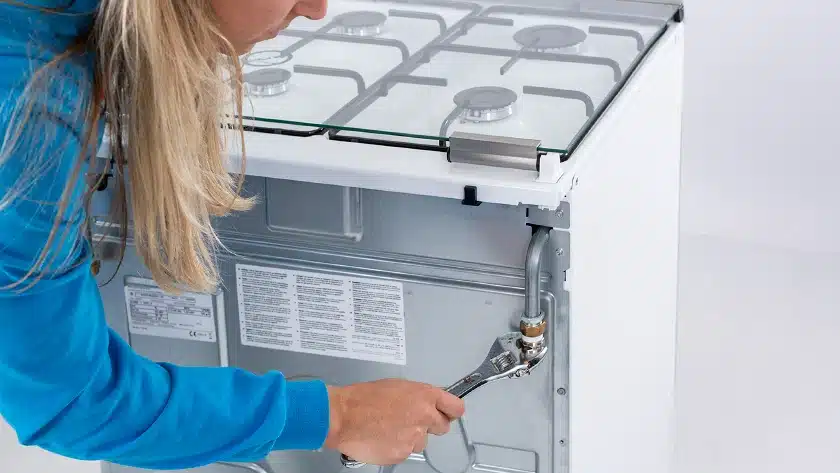
Regular maintenance of kitchen appliances is crucial for both safety and efficiency, yet it is often neglected. Malfunctioning appliances not only hinder the cooking process but can also become serious hazards. For instance, a faulty oven or stove can lead to gas leaks or electrical issues, posing significant risks of fires or explosions. Regular checks and maintenance of appliances, such as cleaning vents, checking gas connections, and servicing electrical components, are vital for preventing these dangers. Furthermore, keeping appliances in good working order extends their lifespan and ensures they operate at peak efficiency, making kitchen tasks smoother and safer. Prioritizing appliance maintenance is an investment in kitchen safety and efficiency.
Poor Kitchen Organization

Poor organization in the kitchen can lead to more than just frustration; it can be a direct cause of accidents and inefficiencies. A cluttered kitchen space, where utensils, appliances, and ingredients are haphazardly stored, increases the risk of accidents, such as tripping or knocking over hot pots and pans. The importance of an ergonomic kitchen design is paramount, facilitating ease of movement and reducing the likelihood of accidents. Effective kitchen organization also plays a crucial role in maintaining cleanliness and preventing cross-contamination. By adopting strategies like designated areas for different types of food preparation and regular decluttering, one can create a safer and more efficient cooking environment.
Stress and Distraction in Cooking
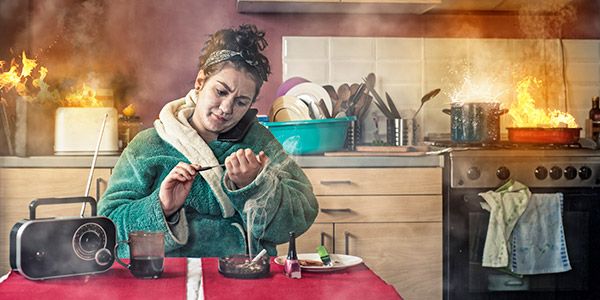
Stress and distraction in the kitchen are often underestimated factors that can lead to serious mishaps. The act of multitasking, common in busy kitchens, significantly increases the risk of accidents, as divided attention can lead to overlooked hazards. Cooking under stress not only affects the quality of the food but also impairs judgment and reaction times, potentially leading to burns, cuts, or other injuries. Managing stress through organized preparation and focusing on one task at a time can greatly reduce the risk of accidents. Additionally, tips for staying focused, such as limiting distractions like mobile phones or overly complex recipes, can help maintain a calm and safe cooking environment, ensuring that the kitchen remains a haven rather than a hazard.
Ensuring Safety in the Kitchen
Navigating the potential pitfalls in the kitchen is about awareness, preparation, and proactive measures. From understanding the proper use of kitchen equipment to maintaining a well-organized and clean cooking space, each aspect plays a crucial role in preventing accidents and ensuring safety. Regular maintenance of appliances and a focus on personal safety are also key components. By addressing these common kitchen catastrophes and adopting safe practices, we can transform our kitchens into spaces where culinary creativity flourishes without the shadow of avoidable mishaps. Here’s to safer, more enjoyable cooking experiences for all.