

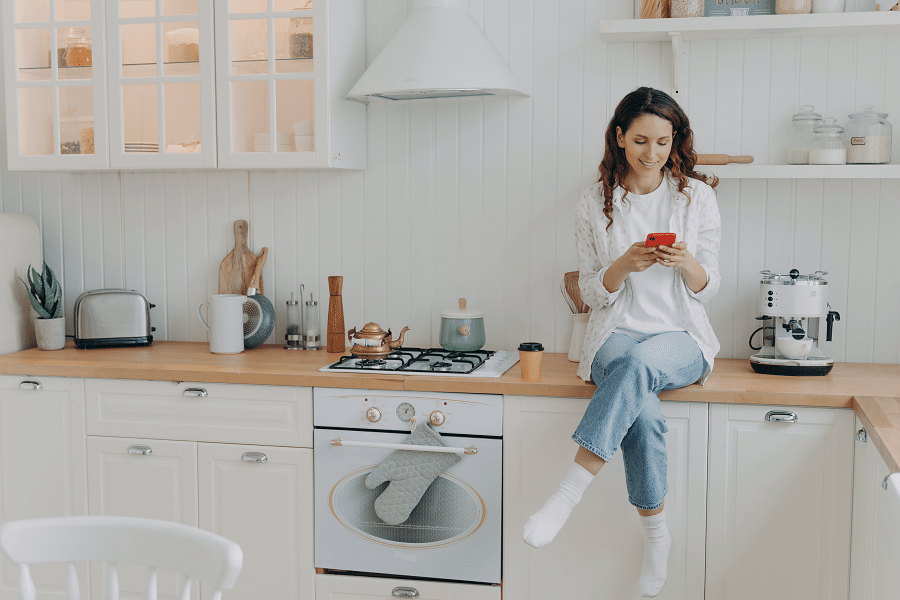
Making Use Of Vertical Space
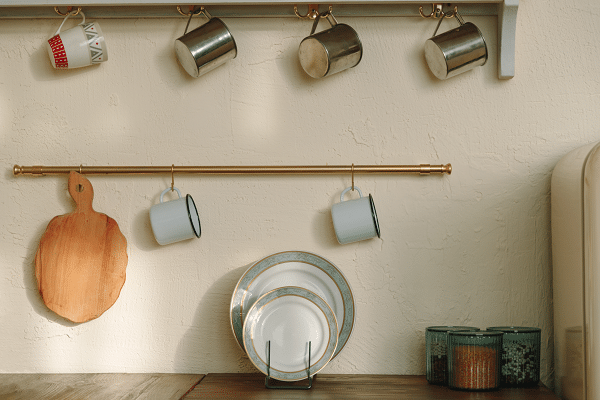
Vertical space is often overlooked in kitchen organization, yet it offers abundant storage possibilities. Walls, ceilings, and the sides of cabinets can be leveraged to store items that would otherwise take up valuable countertop or drawer space. Wall-mounted racks, for example, can hold pots, pans, or utensils, while magnetic knife strips can keep knives easily accessible yet out of harm’s way.
Another effective use of vertical space is installing shelves. Whether used to hold dishes, cookbooks, or decorative items, shelves can add both function and style to a kitchen. Additionally, items like hanging baskets or hooks can be attached to the ceiling or underneath cabinets to provide even more storage options. Effectively using vertical space can drastically increase a kitchen’s storage capacity and help maintain an organized, clutter-free environment.
Creating Zones In Your Kitchen

The concept of ‘zoning’ can play a crucial role in maintaining an organized and efficient kitchen. This involves designating specific areas for particular tasks, such as a baking zone, prep zone, and cleaning zone. By assigning each task its dedicated space, clutter can be contained, and the workflow can be significantly improved.
When creating zones, it’s important to consider both the type of tasks commonly performed and the layout of the kitchen. For instance, the baking zone could include the oven, baking sheets, mixing bowls, and ingredients, while the cleaning zone could incorporate the sink, dishwasher, and cleaning supplies. Each zone should be set up so that all necessary items are within easy reach, reducing the need to move around the kitchen excessively. This strategic setup can streamline cooking processes and make the kitchen a more enjoyable and productive space.
Maintaining Your Organized Kitchen

After working hard to declutter and organize the kitchen, it’s crucial to maintain this level of organization. Regular decluttering, even if just once every few months, can help keep excess items from accumulating and ensure that everything still has its designated place. Moreover, constant evaluation of storage methods can highlight what’s working and what might need to be adjusted, ensuring the system stays effective and practical.
Habit development plays a significant role in maintaining kitchen organization. For instance, always returning items to their designated place immediately after use can prevent clutter from building up. Additionally, regular cleaning – both daily quick cleans and deeper, less frequent cleans – can keep the kitchen both looking and functioning its best. Therefore, long-term kitchen organization relies not only on an effective initial setup but also on the development and maintenance of these beneficial habits.
The Bottom Line
Organizing a kitchen might seem like a daunting task, but with the right strategies and a little effort, it’s entirely achievable. Implementing these tips can transform even the most chaotic kitchen into a space of efficiency, cleanliness, and enjoyment. Whether it’s maximizing cabinet and drawer space, making effective use of vertical space, or adopting a “clean as you go” policy, each strategy contributes to an organized kitchen that facilitates and enhances the cooking process. With the kitchen at the heart of the home, taking the time to organize it is a valuable investment that can offer numerous returns.
Wish we could use all you suggestions. Cabinets are small & shallow so things have to go where they fit instead of
where they are convenient to stove & dishwasher.