


In today’s fast-paced world, a well-maintained and inviting yard is an oasis of calm and beauty. However, the cost of professional landscaping services can often deter homeowners from investing in their outdoor spaces. Enter the realm of DIY landscaping—a practical and rewarding approach that saves money and offers a therapeutic hands-on experience. This comprehensive guide will walk you through various projects you can accomplish yourself, from creating a stunning flower bed to installing an efficient irrigation system and more. With basic tools and the right plan, anyone can transform their yard into a serene retreat.
Assessing Your Yard’s Potential
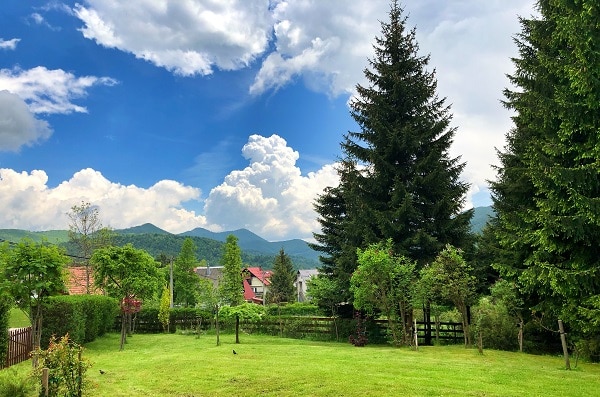
Understanding your yard’s overall potential is crucial before diving into specific projects. A thorough assessment includes noting the size, soil quality, and local climate conditions. This initial groundwork serves as a blueprint for your future endeavors. Often, you’ll find that seemingly mundane factors like soil pH or sunlight exposure can significantly impact your projects.
Some may find the SWOT analysis concept—identifying Strengths, Weaknesses, Opportunities, and Threats—useful in this context. Consider which parts of your yard can be highlighted as focal points (Strengths) and which areas need improvement (Weaknesses). Explore new opportunities to add features like a vegetable garden or a water fountain. Also, consider Threats like pests or drainage issues that could adversely affect your yard. There are multiple tools and apps available that can assist you in accurately mapping out your yard, which is a crucial step in planning your landscaping adventure.
Creating a Low-Maintenance Flower Bed
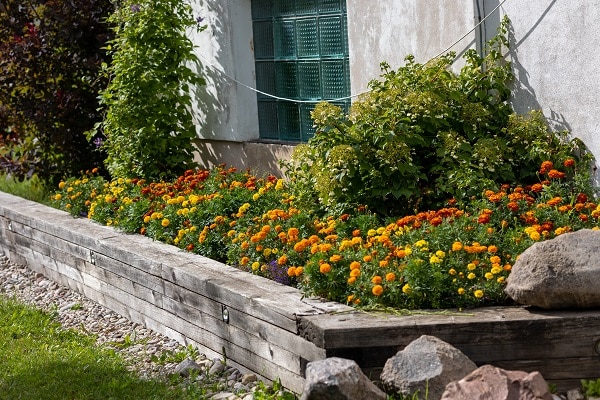
A flower bed is one of the simplest yet most effective ways to add life and color to your yard. Begin by selecting perennial plants well-suited for your climate and soil type. A perennial flower bed offers long-lasting beauty and is relatively low-maintenance. Remember the concept of “layering” when designing your flower bed; this involves placing the tallest plants at the back and gradually tapering to the shortest at the front, offering a visually engaging view.
When choosing plants, focus on coordinating color schemes and selecting species that bloom in different seasons. This approach ensures that your flower bed remains a center of attraction year-round. A mix of vibrant and pastel shades can provide depth and appeal to the flower bed. Additionally, understanding the bloom cycle of each plant helps in spacing them properly, ensuring that each plant gets its moment in the spotlight throughout the year.
Installing a Drip Irrigation System

Watering is a crucial aspect of landscaping but can often be time-consuming and inefficient. A drip irrigation system targets root zones, providing plants with steady hydration. This not only conserves water but also promotes healthy plant growth. You can acquire drip irrigation kits from local gardening stores or online, and installation is often straightforward enough to be a DIY project.
Start by mapping out where the drip lines will go, usually in close proximity to the plants you want to irrigate. Once the layout is determined, you can cut the tubing and install emitters (drippers), connectors, and stakes. Including a filter and a pressure regulator in your system is recommended to prevent clogging and water hammering. This installation is not just about water efficiency; it also frees time and effort for other creative landscaping projects by automating one of the most labor-intensive yard chores.
Constructing a Backyard Fire Pit

Nothing elevates a yard’s ambiance like a fire pit, offering both aesthetic charm and a functional gathering point. However, before you start, you must check local zoning laws and ensure that your fire pit is safe from any structures. Opt for a location that is not too windy to minimize the risk of sparks flying. Material options vary from stone and brick to metal, offering aesthetic and functional benefits.
Once the location and materials are decided, you can begin the construction. Typically, a fire pit requires a dig-down of a few inches into the ground, a layer of gravel for drainage, and a surrounding wall made from your chosen material. Ensure the wall is stable and the pit has a diameter conducive to safety and usability. To make your fire pit area even more inviting, consider adding seating options like benches or garden chairs and some lighting for added atmosphere.