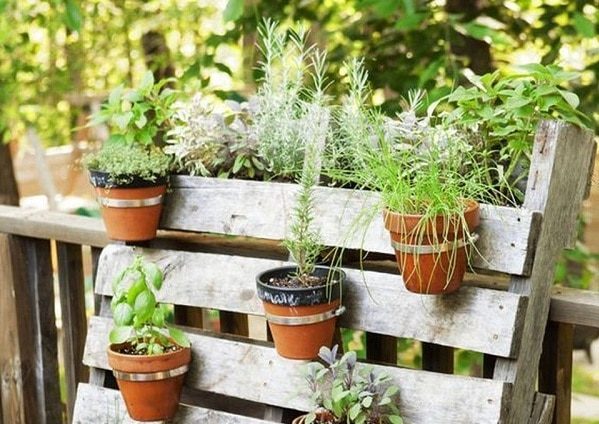
With urban living on the rise, the once-traditional spread-out gardens have had to adapt. Vertical herb gardens have emerged as a stylish, space-saving solution, appealing to both novices and seasoned gardeners. They’re more than just an aesthetic choice; they offer accessibility, improved pest control, and efficient sunlight distribution. Whether you have a sprawling backyard or just a small balcony, a vertical herb garden can be a delightful addition, promising flavor and beauty. This guide aims to lead readers through the intricacies of creating and maintaining their vertical oasis.
Contents
Understanding The Basics Of Vertical Gardening
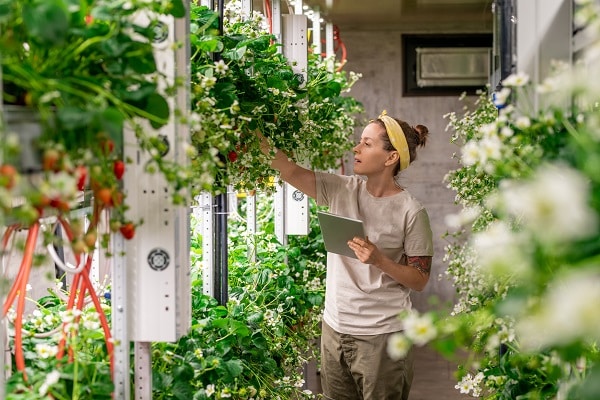
Vertical gardening is an innovative method where plants grow upwards—either naturally or aided by trellises—instead of spreading out. This method is especially suitable for areas with limited horizontal space. As for herbs, they are ideal candidates for vertical planting. Their compact nature and container compatibility make them perfect for this arrangement.
Certain herbs thrive in vertical systems. For instance, basil, known for its sun-loving character, can flourish when positioned at the top, while shade-tolerant herbs like mint might prefer a lower tier. Understanding individual herb needs is crucial to set them up for success in a vertical setting.
Choosing The Right Location

Every plant’s survival hinges on sunlight. Herbs, in particular, need about 6-8 hours of sun daily. While vertical gardens might be seen as space-saving miracles, one must ensure they’re positioned for maximum sunlight exposure. Avoiding high-wind areas is equally important to prevent damage or undue stress to the herbs.
Beyond sunlight, accessibility matters. Vertical gardens should be easy to water, prune, and harvest. You wouldn’t want to perch precariously on a ladder whenever your pasta needs fresh basil. Ensuring that the garden is both functional and safe is paramount.
Materials And Tools Needed

Building a vertical garden requires some basic materials and tools. Depending on the system—pocket-style, shelves, or ladder planters—you might need various supplies. However, the foundational materials remain consistent: a high-quality potting mix, organic fertilizer, and your choice of herb seeds or seedlings.
As for tools, garden gloves protect hands from dirt and minor injuries. A trowel is essential for digging, while scissors or pruners help maintain the plants. A watering can or a hose with a gentle sprinkler head ensures your herbs remain hydrated without water damage.
Designing Your Vertical Herb Garden
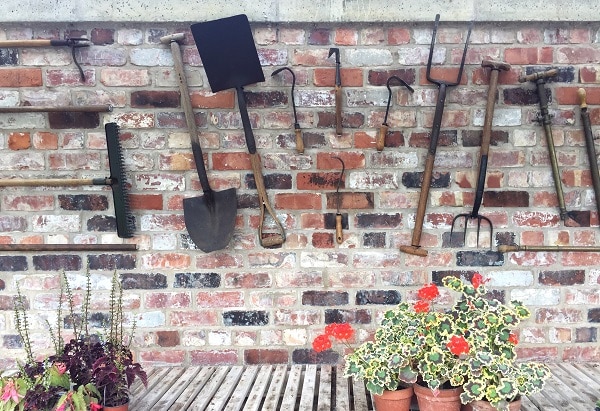
A well-designed vertical herb garden is both functional and beautiful. The garden’s height, width, depth, and weight are key considerations. For instance, if you’re working with a balcony space, understanding its weight limits is crucial to prevent potential hazards.
Aesthetics, though secondary to functionality, shouldn’t be overlooked. Color-coordinating the plants, using containers of varying textures, or integrating flowering herbs can enhance the overall look. Furthermore, thinking about herb growth patterns can help position them strategically, ensuring that none overshadow their neighbors.