
Tomatoes are one of the most rewarding crops for home gardeners, offering juicy, flavorful fruits that can elevate any dish. However, growing tomatoes successfully requires more than just planting seeds and watering them occasionally. Many gardeners, especially beginners, make common mistakes that can hinder their tomato plants’ growth and productivity. This article aims to highlight these mistakes and provide practical tips to avoid them, ensuring a bountiful tomato harvest. By understanding and addressing these common pitfalls, you can enjoy healthier plants and more abundant yields.
Contents
Poor Soil Preparation
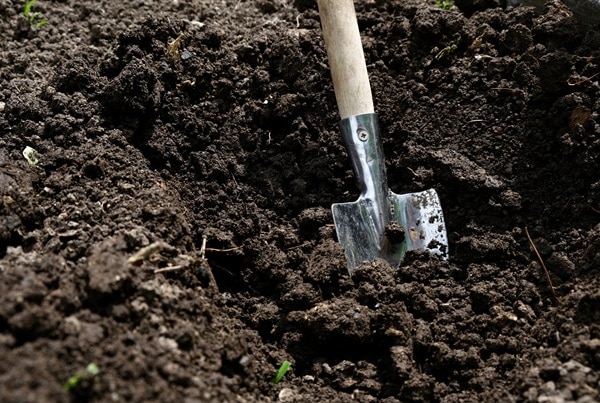
The foundation of any successful tomato garden starts with the soil. One of the most common mistakes gardeners make is neglecting to test and amend their soil before planting. Without proper soil preparation, tomato plants may struggle to access the nutrients they need to thrive. Testing the soil’s pH and nutrient levels can reveal deficiencies that need to be corrected with compost or other organic matter.
Another crucial aspect of soil preparation is ensuring adequate drainage. Tomatoes dislike waterlogged conditions, which can lead to root rot and other diseases. Incorporating organic matter, such as compost or aged manure, can improve soil structure and drainage, providing a healthier environment for your tomato plants. Additionally, raised beds or well-drained garden plots can help prevent waterlogging and promote vigorous growth.
Incorrect Planting Techniques
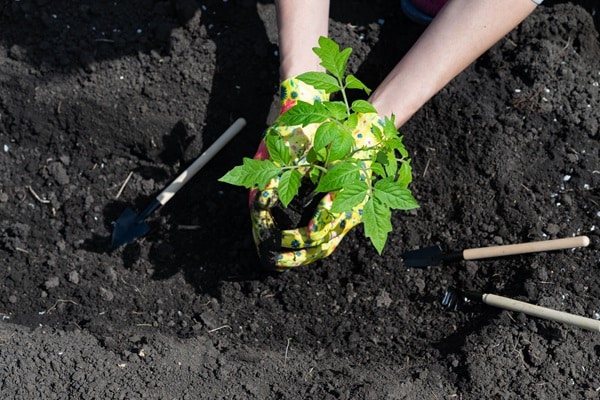
Planting tomatoes correctly is essential for their long-term health and productivity. One common mistake is planting tomatoes too early or too late in the season. Planting too early can expose young plants to cold temperatures, stunting their growth, while planting too late can shorten the growing season, reducing yields. It’s important to wait until the soil has warmed up and all danger of frost has passed before planting tomatoes.
Another mistake is not planting tomatoes deep enough. Tomatoes can develop roots along their stems, so planting them deeper allows for a stronger root system. However, some gardeners fail to take advantage of this by planting tomatoes at the same depth as they were in their nursery pots. Additionally, crowding plants too close together can hinder air circulation, leading to fungal diseases. Proper spacing is crucial to ensure each plant has enough room to grow and access sunlight and air.
Inconsistent Watering
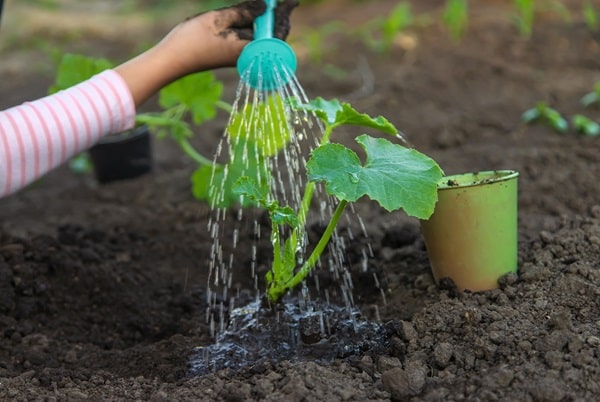
Consistent watering is vital for the health and productivity of tomato plants. Overwatering is a common issue that can lead to root rot, as tomato roots need oxygen to thrive. When the soil remains too wet, roots can suffocate, and plants may exhibit yellowing leaves and stunted growth. It’s essential to allow the soil to dry out slightly between waterings to prevent these problems.
On the other hand, underwatering can stress tomato plants and result in poor fruit development. Inconsistent watering can also cause blossom end rot, a condition where the bottom of the fruit turns black and leathery. To avoid these issues, establish a regular watering schedule and ensure the soil remains consistently moist but not waterlogged. Using mulch can help retain soil moisture and reduce the frequency of watering needed, promoting healthier and more resilient tomato plants.
Ignoring Mulching

Mulching is a simple yet highly effective practice that many gardeners overlook. Mulch helps retain soil moisture, which is crucial for tomato plants, especially during hot and dry periods. By covering the soil with a layer of organic material such as straw, grass clippings, or wood chips, you can reduce the amount of water lost through evaporation. This not only conserves water but also ensures that your tomato plants receive a consistent supply of moisture.
In addition to moisture retention, mulch also helps suppress weeds that compete with tomato plants for nutrients and water. Weeds can quickly overrun a garden bed, leading to reduced yields and increased maintenance efforts. Mulching creates a physical barrier that makes it harder for weeds to take root and grow. Furthermore, as organic mulch decomposes, it adds valuable nutrients back into the soil, improving its fertility and structure over time. Ignoring the benefits of mulching can lead to more frequent watering, increased weed problems, and poorer soil health.