
Lack of Support Systems
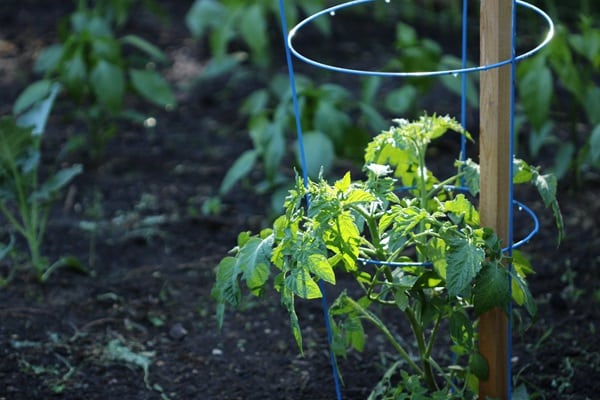
Tomato plants require proper support to grow upright and produce healthy fruits. Failing to provide adequate support is a common mistake that can lead to plants sprawling on the ground. When tomato plants are left unsupported, their branches and fruits are more susceptible to pests, diseases, and physical damage. Using stakes, cages, or trellises can help keep plants off the ground, promoting better air circulation and reducing the risk of disease.
Without support, the weight of the fruits can cause branches to break, leading to reduced yields and wasted produce. Properly supporting tomato plants also makes it easier to access and harvest the fruits. By keeping plants upright, you can ensure that they receive adequate sunlight and airflow, which are essential for healthy growth. Implementing a support system early in the growing season can prevent many problems and contribute to a more successful tomato harvest.
Neglecting Pruning and Maintenance
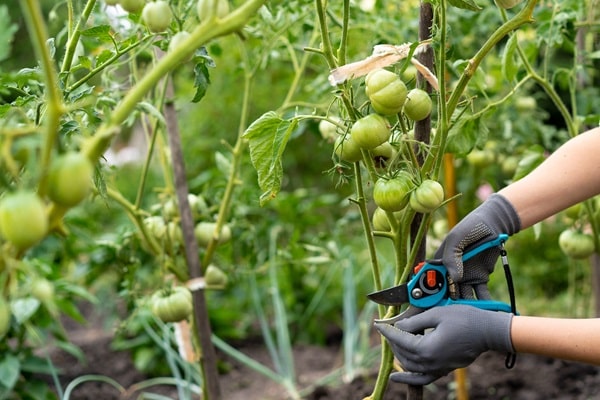
Regular pruning and maintenance are essential for keeping tomato plants healthy and productive. One common mistake is not pruning suckers, the small shoots that grow between the main stem and the branches. These suckers can divert energy away from fruit production, leading to fewer and smaller tomatoes. Pruning these shoots helps direct the plant’s energy toward growing larger fruits and maintaining overall health.
Another maintenance issue is allowing plants to become too bushy. Dense foliage can restrict airflow and create a humid environment, which is ideal for the development of fungal diseases. Regularly removing excess leaves and lower branches can improve air circulation and reduce the risk of disease. Additionally, frequent inspections for pests and diseases are crucial. Early detection and treatment can prevent minor issues from becoming major problems, ensuring that your tomato plants remain healthy and productive throughout the growing season.
Overlooking Pest and Disease Management

Effective pest and disease management is crucial for a successful tomato harvest. One common mistake is not identifying and addressing pest infestations early. Pests like aphids, tomato hornworms, and whiteflies can cause significant damage to tomato plants if left unchecked. Regularly inspecting plants and using natural or chemical treatments can help keep these pests under control and prevent them from spreading.
Ignoring signs of fungal or bacterial infections is another frequent oversight. Diseases such as early blight, late blight, and fusarium wilt can devastate tomato plants if not treated promptly. Recognizing the symptoms, such as discolored leaves, spots, or wilting, and taking immediate action can save your plants. This might include removing affected foliage, applying fungicides, or improving garden hygiene to prevent the spread of pathogens. Properly managing pests and diseases ensures that your tomato plants stay healthy and productive throughout the growing season.
Ensuring a Bountiful Tomato Harvest
Avoiding common mistakes when growing tomatoes can significantly enhance your garden’s productivity and health. By focusing on proper soil preparation, planting techniques, consistent watering, mulching, supporting your plants, regular pruning and maintenance, and vigilant pest and disease management, you can enjoy a successful and rewarding tomato-growing season. Each of these steps plays a crucial role in nurturing robust and fruitful tomato plants. Implementing these practices will lead to healthier plants, more abundant yields, and, ultimately, a more satisfying gardening experience. Happy gardening, and may your tomato harvest be plentiful!
