


Africanized Honey Bees: The Killer Bees

Africanized Honey Bees, commonly known as “Killer Bees,” are a hybrid species that resulted from the cross-breeding of African honey bees with European honey bees. These bees are found mainly in the southern United States and are notorious for their aggressive behavior. Unlike regular honey bees, which usually attack to defend their hive, Africanized Honey Bees can become aggressive with little provocation and chase their target over long distances.
If attacked by a swarm of Africanized Honey Bees, the best course of action is to run as fast as possible in a straight line, covering your face and head to protect against stings. Do not jump into water; the bees are likely to wait for you to surface. Once you’ve reached a safe distance, remove any stingers immediately to minimize the amount of venom entering your system and seek medical attention, as multiple bee stings can lead to severe allergic reactions or even death.
Bark Scorpions: The Desert’s Stealthy Hunter

The Bark Scorpion is native to the American Southwest and is the most venomous scorpion in North America. These nocturnal creatures prefer to hide under rocks, logs, or in the crevices of your home, coming out at night to hunt for food. While they are generally not aggressive, they will sting if they feel threatened, making it important to be cautious when reaching into dark or hidden spaces in scorpion-prone areas.
A sting from a Bark Scorpion can cause intense pain, numbness, and sometimes more severe symptoms like difficulty breathing or convulsions. While fatalities are extremely rare, the experience is agonizing, and medical attention should be sought immediately. Treatment often involves pain management and, in severe cases, antivenom to neutralize the effects of the sting.
Ticks: The Tiny Parasites
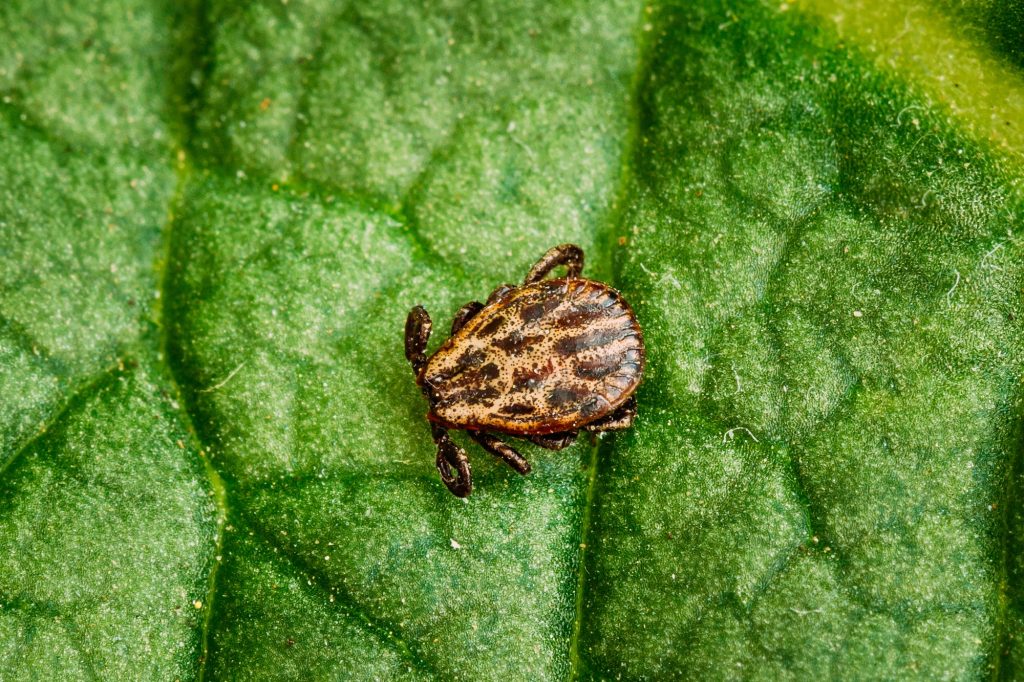
Ticks are small arachnids that feed on the blood of mammals, birds, and sometimes reptiles and amphibians. They are found all over the United States but are most prevalent in wooded or grassy areas. While they are generally not aggressive, ticks can latch onto humans who walk through their habitats, making it essential to take preventive measures like wearing long sleeves and pants and using tick repellent when in tick-prone areas.
The primary concern with ticks is not the bite itself but the diseases they can transmit, the most notorious of which is Lyme disease. Symptoms of Lyme disease can include fever, fatigue, and a characteristic skin rash. If you find a tick on your body, it’s crucial to remove it carefully with tweezers, making sure not to leave any parts embedded in the skin, and seek medical advice for proper diagnosis and treatment.
Prevention: Your Best Defense

Prevention is undoubtedly the best way to protect yourself from these dangerous critters. Whether you’re hiking in rattlesnake territory or swimming in shark-infested waters, being prepared can make all the difference. Wearing appropriate clothing like long sleeves, pants, and sturdy shoes can provide a physical barrier against bites and stings. Additionally, carrying first-aid kits equipped with antiseptics and antihistamines can be a lifesaver in emergency situations.
Environmental awareness is another key aspect of prevention. Always be aware of your surroundings; look out for warning signs or signals like a rattlesnake’s rattle or a shark’s dorsal fin. If you’re in an unfamiliar area, research the types of dangerous critters you might encounter and learn how to react if you do. Knowledge and preparation are your best allies.
Emergency Measures: What To Do If Bitten Or Stung

Despite taking all the necessary precautions, accidents can still happen. In such cases, knowing what immediate actions to take can be the difference between life and death. For most critter attacks, the first step is to call for emergency medical help. While waiting for professional assistance, immobilize the affected limb at heart level to slow the spread of venom or toxins.
DIY first aid steps can also be crucial while waiting for medical help. For example, applying a cold pack can reduce swelling from a spider bite, while removing a bee stinger as quickly as possible can minimize the amount of venom injected. However, it’s essential to note that first aid measures are not a substitute for professional medical treatment. Always seek medical attention as soon as possible for proper diagnosis and treatment.
Be Aware Of The Deadly Critters In Your Area!
Navigating the world of America’s most dangerous critters can be both fascinating and terrifying. From the venomous rattlesnake to the predatory Great White Shark, these creatures demand respect and caution. But fear not; armed with the right knowledge and precautions, you can enjoy the great outdoors while minimizing risks. So, go ahead and explore, but always stay vigilant. Remember, prevention is your best defense, but knowing what to do in an emergency is equally vital. Share this information far and wide; it just might save a life.