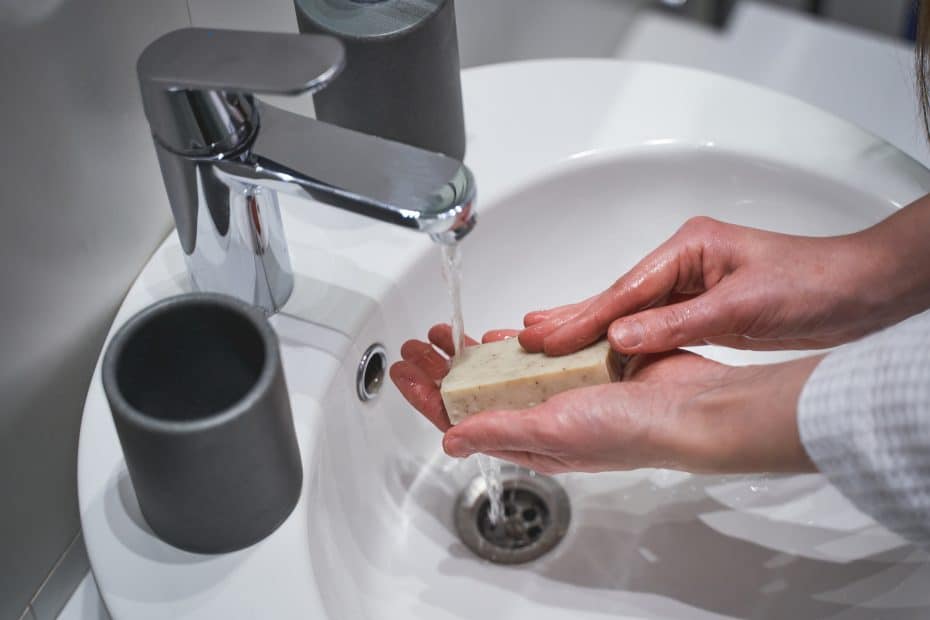
You reach for a bar of soap, believing it’s the first step to cleanliness and better health. After all, soap is your go-to defender against germs and bacteria. But what if the very item you trust to keep you clean is actually doing more harm than good? This unsettling question arises when you delve into the list of ingredients found in many commercial soaps. From hormone-disrupting chemicals to potential carcinogens, the list is far from clean. This post aims to expose the most harmful ingredients commonly found in soap, arming you with the knowledge you need to make safer choices.
The Role Of Soap In Modern Hygiene

Soap has come a long way from its humble beginnings. Once a simple mixture of oils and lye, it has evolved into a multi-billion dollar industry offering a dizzying array of options, from moisturizing bars to antibacterial liquids. This evolution reflects society’s growing awareness of hygiene and cleanliness, making soap an indispensable part of daily life.
However, this widespread use comes with a paradox. While soap is designed to clean and protect, some of its ingredients can be harmful, even toxic. This raises an important question: How can something intended to promote health also pose risks? The answer lies in the complex formulations of modern soaps, which often include chemicals that can have adverse effects on your well-being.
Why Ingredients Matter

Your skin is your body’s largest organ, acting as a protective barrier against external threats. But it’s not impermeable; what you apply to your skin can be absorbed into your bloodstream. This makes the ingredients in soap more than just a superficial concern. They can penetrate the skin, enter the bloodstream, and, from there, potentially affect various bodily systems.
The long-term implications of this are significant. Just as eating unhealthy food can lead to the accumulation of harmful substances in your body, so can the repeated use of soap with toxic ingredients. Over time, these substances can accumulate in your system, leading to a range of health issues, from hormonal imbalances to more serious conditions like cancer. This makes it crucial to know what’s in your soap, just as you would scrutinize the ingredients in your food.
Parabens: The Preservative Culprit

Parabens are a class of chemicals widely used as preservatives in the cosmetic and pharmaceutical industries. They prevent the growth of bacteria and mold, extending the shelf life of products like soap. While this sounds beneficial, the health implications of parabens are a growing concern. Studies have shown that they can mimic estrogen in the body, leading to hormonal imbalances and even contributing to breast cancer.
The presence of parabens in soaps is particularly concerning because they are used so frequently. Every time you wash your hands or take a shower, you could be exposing yourself to these chemicals. And it’s not just a one-time exposure; it’s a daily ritual for most people. This frequent contact increases the risk of accumulation in the body, making parabens one of the most insidious ingredients to watch out for in your soap.
Triclosan: The Antibacterial Agent

Triclosan is another common ingredient found in many antibacterial soaps. The allure of “antibacterial” often leads people to believe that these soaps are more effective at killing germs. However, the FDA has stated that antibacterial soaps are no more effective at preventing illness than regular soap and water. Moreover, triclosan has been linked to a range of health issues, including endocrine disruption and bacterial resistance.
The frequent use of triclosan-containing soaps can lead to more than just individual health concerns; it can also contribute to a larger public health issue—antibiotic resistance. When bacteria become resistant to antibacterial agents, it becomes increasingly difficult to treat infections, leading to longer illnesses and more severe outcomes. This makes triclosan a significant concern, not just for individual users but for society as a whole.
