Sulfates: The Foaming Agents
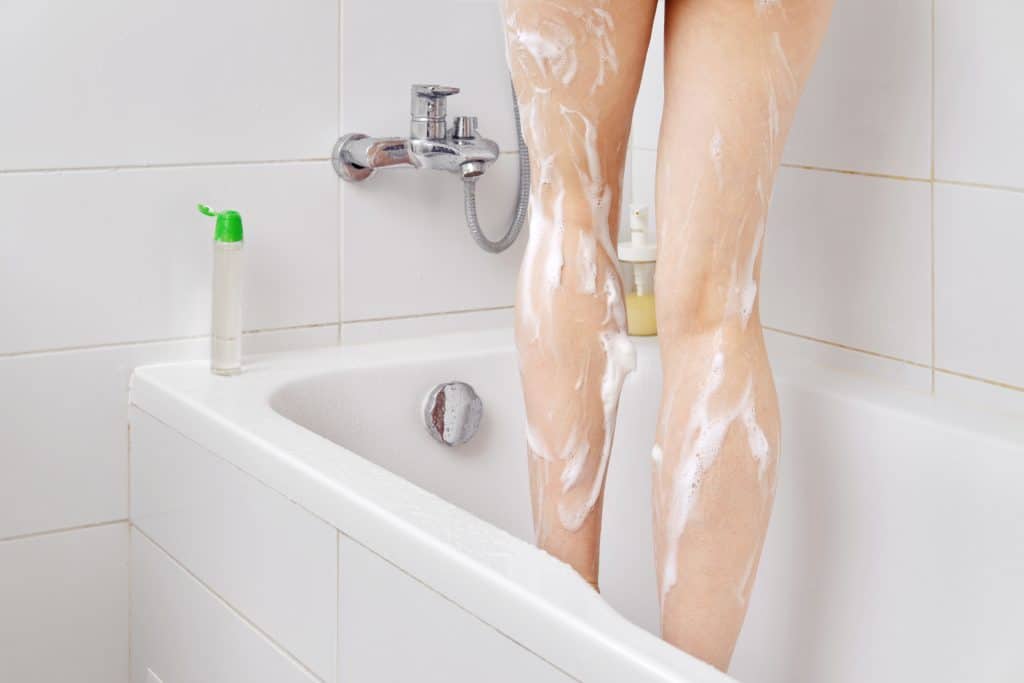
Sulfates are the chemicals that make soaps foamy and lathery, a quality many people associate with cleanliness. However, this foam is more about perception than actual cleaning power. Sulfates are known to strip away natural oils, leading to dry, irritated skin. They can also cause eye irritation and have been linked to environmental issues, such as water pollution.
However, the environmental impact of sulfates extends beyond individual use. When washed down the drain, these chemicals can harm aquatic life and contribute to water pollution. This dual impact—on both personal health and the environment—makes sulfates a concerning ingredient in many soaps.
Synthetic Fragrances: The Hidden Dangers
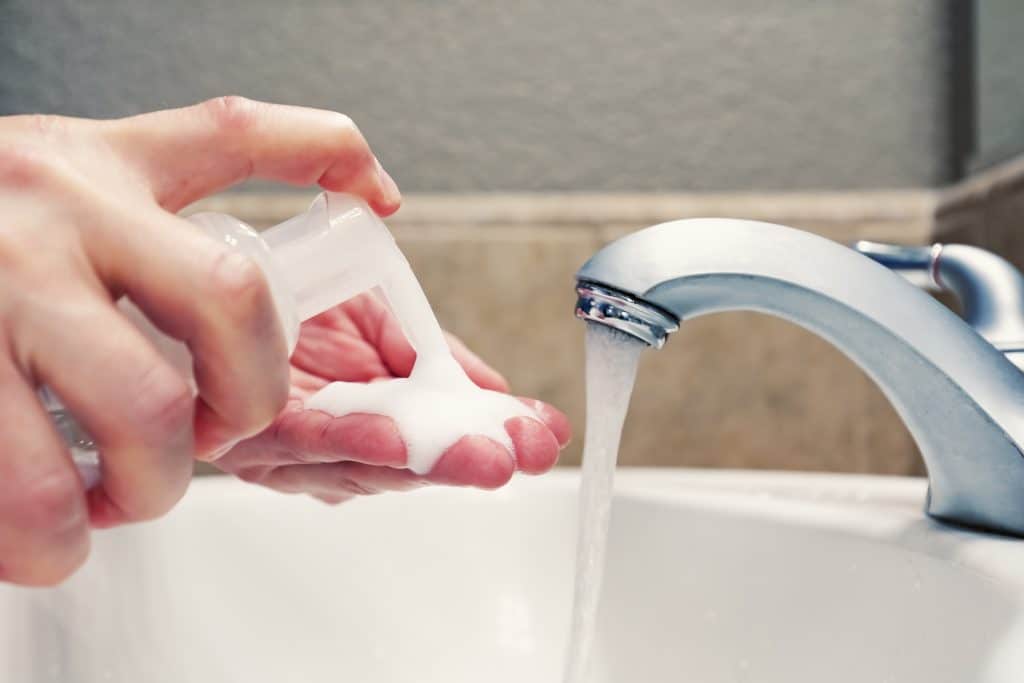
The word “fragrance” on a soap label might seem innocuous, but it can be a catch-all term for a variety of chemicals. Manufacturers are not required to disclose the specific ingredients that make up a fragrance, which can include allergens, irritants, and even potential endocrine disruptors. These undisclosed ingredients can lead to allergies, respiratory issues, and long-term health concerns.
The lack of transparency around synthetic fragrances is a significant issue. Consumers have the right to know what they are putting on their bodies, especially when those ingredients could lead to health problems. Until regulations change, the best course of action is to opt for soaps labeled “fragrance-free” or those that use natural fragrances from essential oils.
Artificial Colors: More Than Just Eye Candy
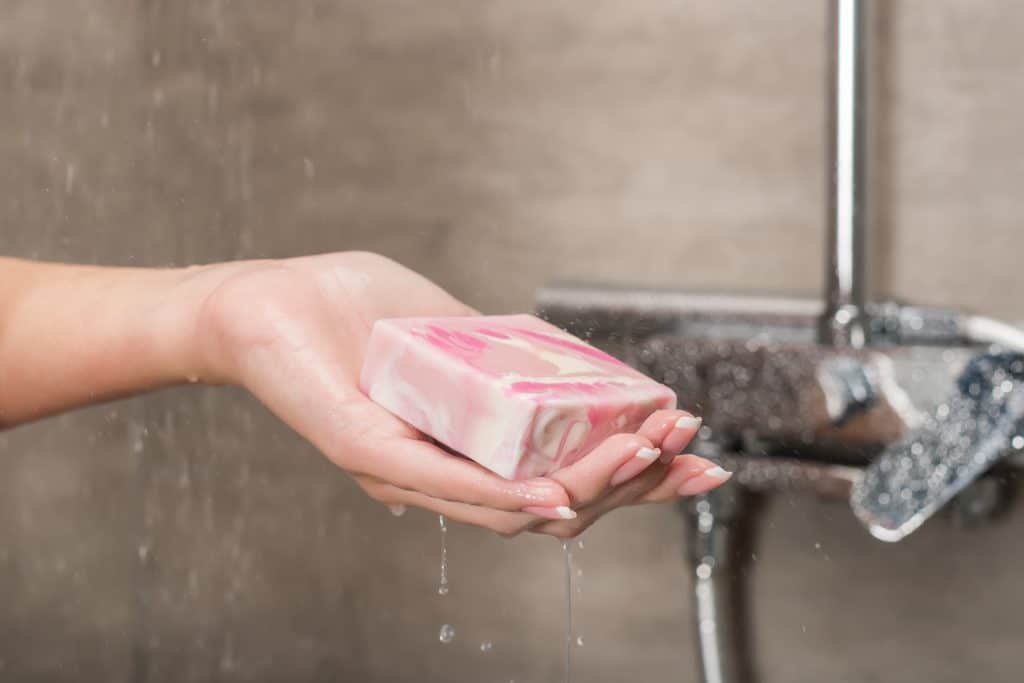
Artificial colors make soaps look appealing, but they serve no functional purpose in cleaning your skin. These colors are often derived from petroleum and have been linked to various health issues. Some studies suggest a connection between artificial colors and ADHD in children, while others point to potential allergic reactions and even carcinogenic effects.
The use of artificial colors in soap is a classic case of form over function. While they make the product more visually appealing, they add no real value to its effectiveness. Moreover, the potential health risks associated with these colors make them an ingredient worth avoiding in your quest for a safer, healthier soap.
Making Informed Choices

The journey toward healthier living doesn’t stop at merely identifying harmful ingredients; it’s about taking action. Reading labels can be your first line of defense. Look for soaps that are free from the harmful ingredients discussed, such as parabens, sulfates, and artificial fragrances. Opt for those labeled as “natural,” “organic,” or “fragrance-free,” but be cautious—these terms are not always regulated, and it’s essential to read the ingredient list thoroughly.
Taking control of your health can also extend to making your own soap. DIY soap-making has gained popularity as a way to ensure that only safe and natural ingredients touch your skin. There are numerous recipes and kits available that make the process accessible, even for beginners. By making your own soap, you not only know exactly what’s going into it, but you also gain the satisfaction of using a product that’s truly tailored to your needs and preferences.
The Final Rinse: Make Your Choices Count
In a world where soap is a daily necessity, it’s crucial to be an informed consumer. This post has shed light on some of the most harmful ingredients commonly found in soap, from hormone-disrupting parabens to environmentally damaging sulfates. The next time you reach for that bar or bottle, remember that what goes on your skin doesn’t necessarily stay on your skin—it can enter your bloodstream and affect your overall health. Choose wisely, and empower yourself to make better, healthier choices!
