Air Quality And Ventilation

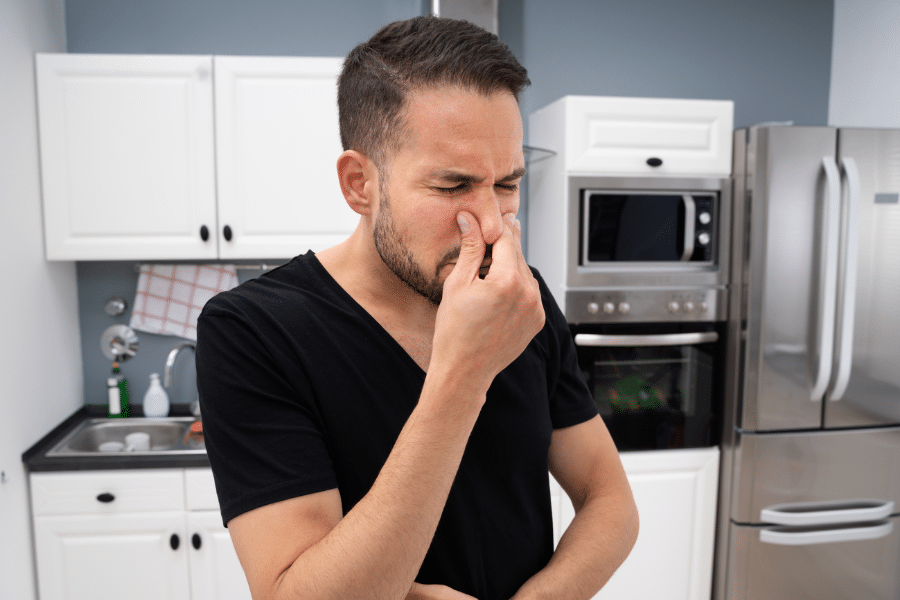
A home’s overall air quality plays a crucial role in how it smells. Stagnant air, in particular, can magnify existing odors, making them more noticeable and pervasive. Poorly ventilated spaces often accumulate a mix of smells from various sources, leading to a stuffy and unpleasant ambiance. Proactive measures, such as ensuring regular airflow by opening windows or using fans, can significantly improve the situation. Furthermore, investing in quality air purifiers can capture particulate matter and odor molecules, leading to fresher indoor air.
Filters in HVAC systems play a pivotal role in maintaining clean indoor air. Over time, these filters can get clogged with dust, pet dander, and other particulates. If not replaced or cleaned periodically, they can become a source of musty or burnt odors. Homeowners should make it a priority to check and replace these filters as per the manufacturer’s recommendation. Doing so not only ensures a better-smelling home but also improves the efficiency of the HVAC system, leading to potential energy savings.
Clothing And Closet Clusters

Closets, especially those packed with clothes, can sometimes emanate a musty odor. This is often due to dampness, where moisture gets trapped within the confines of the closet, causing clothes to smell. Clothes left damp after a wash or worn during rainy weather, if not properly dried before being stashed away, can be a primary contributor to this problem. Therefore, it’s essential to ensure clothes are completely dry before storing them and to occasionally air out closets to prevent moisture buildup.
Additionally, unwashed clothes, especially those worn during physical activity, can add to the problem. Sweat and body oils, if left unchecked, can produce a distinctive smell. It’s a good practice to segregate worn clothes from fresh ones and to launder them regularly. Integrating moisture absorbers or natural odor neutralizers, like cedar blocks, in closets can also aid in maintaining a pleasant scent in these enclosed spaces.
Basements And Garages
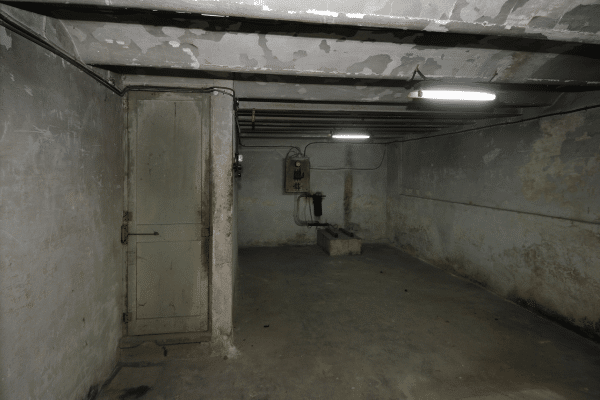
Basements and garages, due to their unique environments, often present distinct challenges when it comes to odors. Dampness, common in many basements, creates an environment conducive to the growth of mold and mildew, which can emit a strong musty smell. Proper waterproofing, use of dehumidifiers, and ensuring that there are no leaks can help mitigate these concerns. Garages, on the other hand, might harbor smells from stored chemicals, old items, or even pests.
It’s also worth noting that the lack of sunlight and airflow in these spaces can make existing odors more pronounced. Regular inspections to discard unused or damaged items and ensure there’s no water leakage are essential. Installing ventilation fans or periodically airing out the space can further help in keeping these areas odor-free. Moreover, the proper storage of chemicals, paints, and other potential odor sources in sealed containers is crucial to prevent unwanted fumes.
Unseen Mold And Mildew

The sinister thing about mold and mildew is that they can grow unseen, silently spreading behind wallpapers, under carpets, or even within the HVAC systems. Such hidden growth can emit a pervasive musty smell that is challenging to trace. Identifying these hidden sources often requires a thorough inspection, especially in areas that have experienced water damage or are prone to moisture. Peeling wallpaper, discolored patches on walls or ceilings, and a persistent musty odor are often telltale signs of hidden mold.
When mold or mildew is suspected, it’s crucial to address the issue promptly. Depending on the extent, homeowners might benefit from professional mold remediation services. Prevention, however, is the best strategy. This includes addressing any water leaks promptly, ensuring proper ventilation, and using moisture barriers in areas prone to dampness. Mold-resistant paints and primers can also be beneficial in areas with a history of mold issues.
The Bottom Line
A home’s scent is more than just an aroma; it offers insight into the overall health and cleanliness of the space. By understanding and addressing the various sources of unpleasant odors, homeowners can ensure a more comfortable and healthier living environment. While some causes of bad smells might be obvious, others, like hidden mold or unseen pet accidents, require vigilance and periodic checks. Ultimately, a proactive approach, regular maintenance, and prompt action when odors are detected will lead to a fresher, more inviting home.
