
Contents
Astilbe – Feathery Blooms for the Shade

Astilbes add a touch of whimsy to shade gardens with their feathery plumes rising above fern-like foliage. Their blooms, ranging from white and pink to deep red, stand tall and create an almost ethereal ambiance. Besides their visual appeal, what makes Astilbes a favorite among gardeners is their ability to thrive even in deep shade, where many other flowering plants might struggle.
The secret to a flourishing Astilbe garden lies in the soil. These plants prefer rich, moist soil akin to their native woodland habitats. Incorporating organic matter or compost can enhance soil quality, ensuring these plants get the necessary nourishment. It’s also worth noting that while Astilbes are tolerant of shade, they do appreciate some morning sunlight. This balance ensures their blooms remain vibrant and the plants are healthy.
Bleeding Hearts – Nature’s Romantic Touch
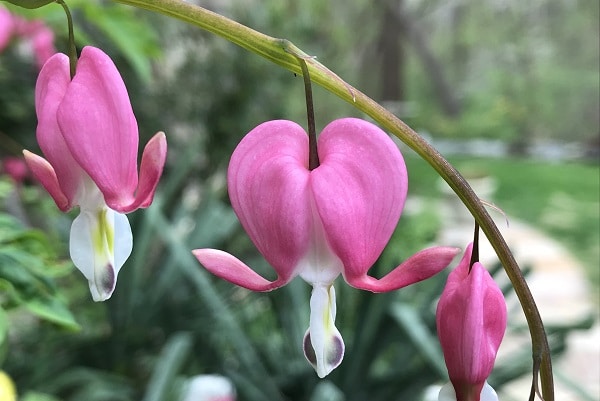
With their distinctive heart-shaped flowers, the sight of Bleeding Hearts can evoke feelings of wonder and nostalgia. These perennial plants are more than just their captivating blooms. Their fern-like foliage ensures that even when not in bloom, they add a touch of elegance to the garden. Known for their spring display, these flowers are short-lived but leave a lasting impression.
Planting Bleeding Hearts requires some forethought. They thrive in moist, well-draining soil enriched with organic matter. While they’re shade-loving, a spot with morning sun and afternoon shade is ideal for them. The plant usually goes dormant in late summer, so pairing them with other plants like ferns or hostas is a good idea, ensuring the garden remains lush throughout the year.
Tips for a Successful Shade Garden
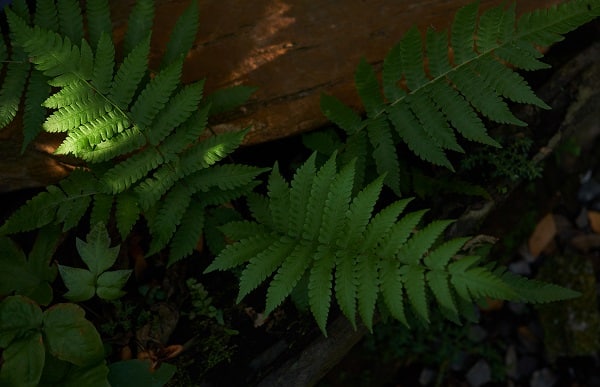
Even with the right plants, a shade garden requires specific care and strategies to ensure it thrives. The soil plays a pivotal role. Enriching it with compost or organic matter provides essential nutrients and improves its structure, promoting healthy root growth. Proper spacing is equally crucial. Overcrowding can lead to limited air circulation, making plants susceptible to diseases.
Periodic pruning and maintenance go a long way in ensuring a vibrant shade garden. Removing dead or yellowing leaves encourages new growth and keeps the plants looking their best. Additionally, many shade plants are naturally resilient but benefit from periodic checks for pests and diseases. Slugs, for instance, might find the cool, damp conditions of a shade garden appealing. Using natural deterrents or barriers can help keep these pests at bay. Similarly, fungi and molds can develop if the space remains too damp for prolonged periods. Hence, even though many shade plants love moisture, ensuring proper drainage is fundamental to preventing these issues.
The Bottom Line
A shade garden is more than just a solution to spaces with limited sunlight; it’s a sanctuary of serenity and biodiversity. With the right selection of plants, one can transform even the dimmest corner into a vibrant and captivating retreat. Each plant, from the majestic hostas to the delicate bleeding hearts, narrates a unique story of nature’s adaptability and grace. Following the mentioned tips and nurturing these plants with care and patience, anyone can cultivate a shade garden that resonates with beauty and harmony. Embracing the shade means welcoming a world of textures, colors, and tranquility right at your doorstep. It’s a testament to the wonders of gardening – that even in the shadows, life finds a way to shine.