
Fresh produce brings a bounty of vitamins, minerals, and delightful flavors to any meal. However, with this wealth of nutritional value comes the challenge of preserving the freshness for an extended period. Fruits and vegetables spoil easily, presenting both economic and nutritional drawbacks. This blog post will arm you with practical strategies to lengthen the lifespan of your produce, enabling you to enjoy your favorite fruits and vegetables at their peak of freshness for longer. By following these simple tips, you can not only save money but also preserve fresh produce packed with the nutritious benefits that fresh produce offers.
Store Your Produce Dry
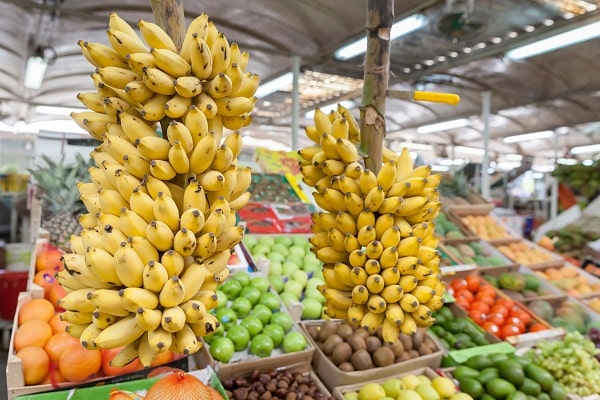
Moisture is a leading cause of premature rotting in fruits and vegetables. When fresh produce is stored in a damp state, the excess moisture fosters a conducive environment for bacteria and mold to grow, resulting in faster spoilage. Therefore, it’s crucial to store produce in a dry state to extend its shelf life. Make it a habit to gently pat fruits and vegetables dry after washing, or before storing, to remove any lingering moisture. This simple step can make a big difference to preserve fresh produce.
Moreover, consider investing in tools that help reduce moisture. Items like salad spinners are excellent for ensuring leafy greens are thoroughly dry before they’re stored. For fruits and vegetables that are prone to retaining water, such as berries, drying them on a towel before storage can prove beneficial. By keeping your produce as dry as possible, you’ll be taking a significant step toward preventing early spoilage and maximizing freshness.
Buy Unripe Fruit And Vegetables

An effective way to preserve fresh produce is to buy them unripe. Unripe produce can mature in your home, thereby extending the period of optimal freshness. For instance, avocados, bananas, and pears are examples of produce that can be purchased in their unripe state and allowed to ripen over several days. This not only ensures that they reach their peak in your kitchen but also provides a larger window for consumption before they become overripe.
In addition, learning to ripen fruits and vegetables at home can open up new opportunities for buying in bulk and saving money. Certain fruits, such as apples, emit a natural gas called ethylene that can help speed up the ripening process of other fruits and vegetables when stored together. Conversely, understanding which fruits and vegetables should be stored separately can also aid in slowing down the ripening process. By buying unripe and managing the ripening process at home, you’re able to take control of your produce’s freshness and make it last longer.
Use Containers Instead Of Plastic Bags
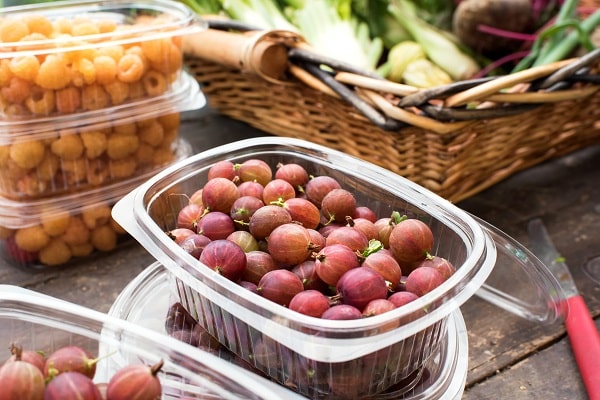
A common misconception is that storing fresh produce in plastic bags keeps it fresh longer. In reality, plastic bags can accelerate the spoilage process by trapping moisture and reducing air circulation around the produce. This trapped moisture provides an ideal environment for bacteria and mold growth, which can result in quicker spoilage. Instead of plastic bags, consider using containers made of breathable material like cloth or mesh bags.
For long-term storage, glass containers are a great alternative. They not only reduce the use of plastic but also provide a more breathable environment to preserve fresh produce. Glass containers, especially ones with venting lids, allow moisture to escape, reducing the chances of mold growth. They also provide an easy visual for monitoring the freshness of the produce stored inside, ensuring nothing goes unnoticed and spoils.