
Contents
Store Produce In The Coldest Part Of Your Fridge

Temperature plays a crucial role in the preservation of fruits and vegetables. Some produce lasts longer when stored in the coldest part of the refrigerator. Refrigerators have various microclimates – the back and lower sections are generally the coldest. Items like leafy greens, broccoli, carrots, and peas can benefit from this cooler environment.
However, it is essential to remember that not all fruits and vegetables appreciate the cold. Some, like tomatoes, bananas, and potatoes, prefer room temperature and can suffer in texture and flavor if refrigerated. It’s worth spending time to understand the temperature preferences of various types of produce. This understanding allows you to store each item optimally, thereby extending its shelf life.
Prioritize Your Produce
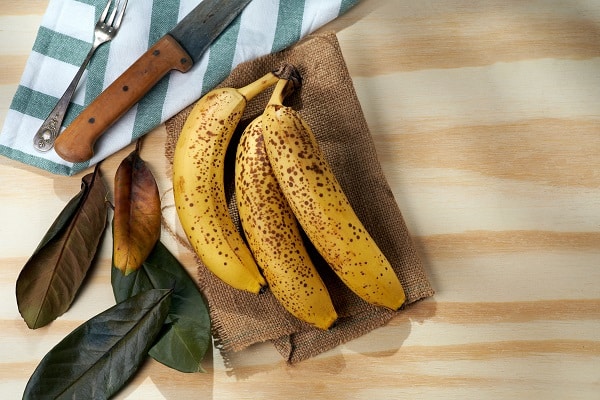
One of the keys to preventing produce waste is using the oldest items first, known as the “first in, first out” principle. Prioritizing your produce consumption based on what was bought first helps ensure nothing spoils before it’s used. It’s a good practice to organize your fridge and pantry in a way that puts the older items in front, making them easier to grab and use first.
In addition, making a meal plan can be beneficial. Knowing in advance what meals will be prepared for the week can help dictate what produce to buy and when to use it. This can significantly reduce the chance of fruits and vegetables spoiling before they’re used. By using produce strategically, it is possible to reduce waste and enjoy your fruits and vegetables when they’re at their peak of freshness.
Separate Ethylene-Producing Produce
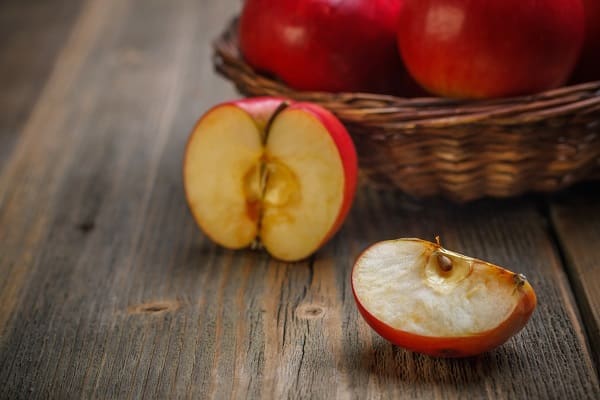
Certain fruits emit a gas called ethylene as they ripen. This natural hormone not only accelerates the ripening of the fruits emitting it, but can also hasten the spoilage of other nearby produce. Therefore, it’s vital to be aware of which fruits produce this gas and store them separately. Examples of ethylene producers include apples, bananas, peaches, and tomatoes. By storing these fruits separately, you can prevent them from prematurely ripening (and spoiling) other produce.
Conversely, some fruits and vegetables are particularly sensitive to ethylene and spoil quickly when exposed to it. These include leafy greens, asparagus, broccoli, and cucumbers, to name a few. Storing these items separately from ethylene-producing fruits can significantly prolong their freshness. In essence, understanding the influence of ethylene on the lifespan of your produce can greatly contribute to smarter storage and longer shelf life.
Freeze Excess Produce

Freezing is an effective way to preserve fresh produce that may not be used before they spoil. Many types of produce, including berries, peas, corn, and spinach, can be frozen without losing significant nutritional value. To freeze produce, it’s typically recommended to wash, dry, and cut the fruits or vegetables into bite-sized pieces before placing them in the freezer.
Furthermore, blanching vegetables—briefly boiling and then immediately cooling them—before freezing can help preserve their color, texture, and nutritional value. Once frozen, the produce can be stored for several months, providing a convenient supply of fruits and vegetables even when they’re out of season. So, even if it seems like there’s too much produce to consume before it spoils, freezing offers an excellent solution that prevents waste and ensures a steady supply of nutritious produce.
The Bottom Line
Preserve fresh produce is crucial not only for minimizing waste and saving money, but also for maximizing their nutritional value. By using these strategies—from storing produce dry and buying unripe, to smart container usage, temperature control, and careful ethylene management, you can significantly extend the shelf life of your fresh produce. Even excess produce doesn’t have to go to waste, thanks to the convenience of freezing. Implementing these methods will help ensure that your kitchen is continually supplied with fresh, nutritious, and flavorful produce.