
So, you’ve spent months nurturing your garden, and now you’re rewarded with an abundance of fresh herbs. These fragrant green leaves are a gardener’s pride and a chef’s delight. However, even after sharing with friends and incorporating them into every meal imaginable, there’s more than you can use before they wilt away. What to do? Fear not, as this post will guide you through a variety of effective methods to preserve those precious herbs for future culinary adventures. From traditional drying to making your own herb oils, there’s something for everyone. This comprehensive guide is set to arm you with the knowledge you need to make those garden herbs last longer and serve you better.
The Importance Of Choosing The Right Herbs
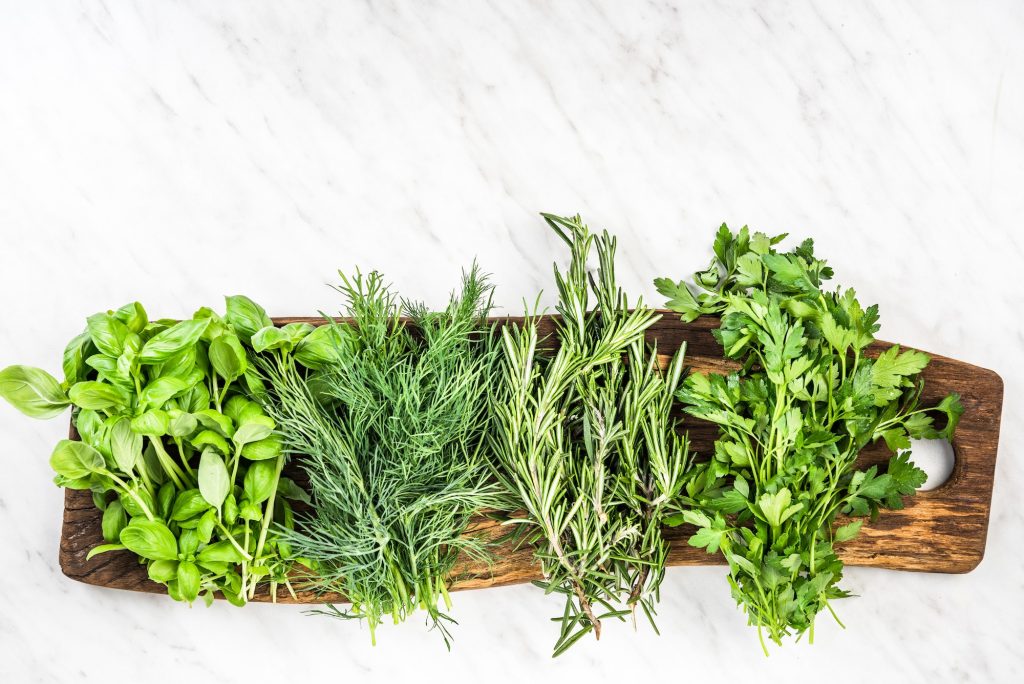
The journey to preserve your garden herbs begins with a critical first step: selecting the right herbs. Just as a house is only as strong as its foundation, the quality of preserved herbs significantly depends on the herbs you start with. Picking herbs that are vibrant in color and strong in aroma ensures that they are packed with essential oils, which translates into better flavor and longer shelf life. One can easily distinguish a high-quality herb from its inferior counterpart by observing its appearance and scent; discoloration and a weak smell are red flags.
Choosing the correct herbs not only sets you up for preservation success but also saves time and effort down the line. Different herbs have unique requirements when it comes to preservation methods. For instance, herbs like rosemary and thyme are more resilient and work well with multiple methods, while basil and chives are more delicate and may be better suited for freezing. Knowing the type of herbs you’re working with can streamline the preservation process and help you make the most of your herbal abundance.
Traditional Drying

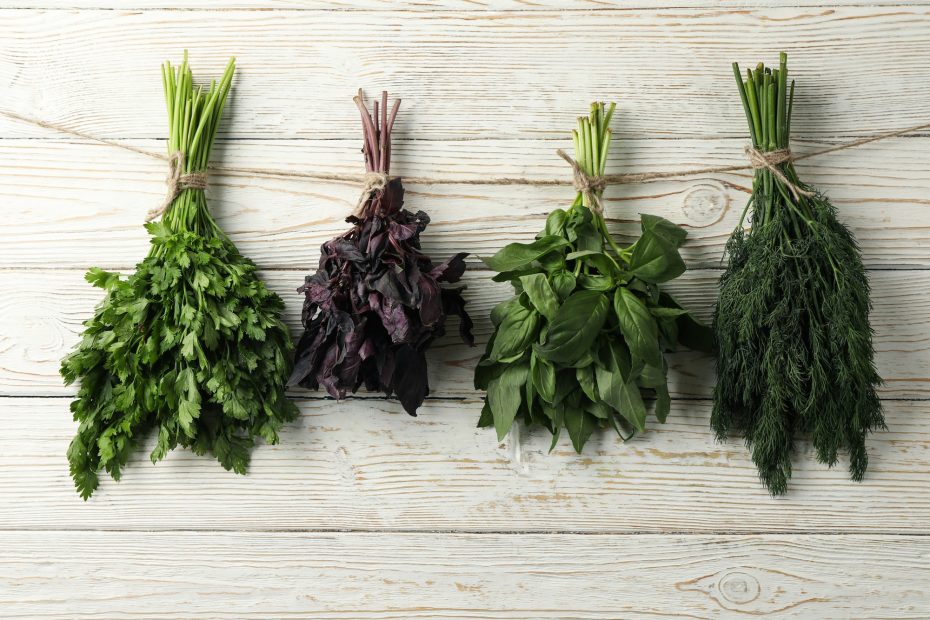
Drying is perhaps the oldest and most straightforward way to preserve herbs. Many find comfort in its simplicity; all you need are the herbs and some good old-fashioned air circulation. One popular method is air-drying, which involves tying small bundles of herbs and hanging them upside down in a warm, dry space with good airflow. Take care to ensure that the herbs are not exposed to direct sunlight, as this can degrade the essential oils and lessen the flavor.
However, for those looking for a more modern touch, food dehydrators offer a quick and effective alternative. Dehydrators work by applying gentle heat and air circulation to remove moisture from the herbs, thereby extending their shelf life. Unlike air-drying, which can take several days, dehydrating can preserve your herbs in just a few hours. Plus, the controlled environment in a dehydrator can often preserve the color and flavor of the herbs more effectively than air-drying.
Freezing Herbs For Freshness

When drying herbs sounds too last-century for you, or you’re keen on preserving the fresh, vibrant flavors, freezing becomes the go-to option. Freezing herbs is almost like stopping time; it retains the color, texture, and, most importantly, the flavor of the herbs. You can prepare herbs for freezing by cleaning, chopping, and then placing them in an airtight bag or container. For an added twist, consider filling an ice-cube tray with chopped herbs and olive oil, freezing the cubes, and then transferring them into a ziplock bag.
Freezing herbs offers the luxury of having ‘fresh’ herbs on hand all year round. You can toss a cube of frozen basil and olive oil straight into your pasta sauce or stew without needing to defrost it first. There’s no need to let the winter months limit your culinary creativity. With your herbs snug in the freezer, you can continue to add that fresh, garden-grown flavor to your dishes whenever you like.
I put my freshly picked herbs in paper bags. The paper bag absorbs the moisture and when they are completely dry I then jar them.