
Creating Herb Oils And Butters
If you’re a fan of versatile kitchen staples, herb-infused oils and butters should be next on your culinary to-do list. These aromatic concoctions add a gourmet touch to simple dishes, elevating your cooking to a new level. Whether it’s drizzling basil-infused olive oil over fresh tomatoes or spreading rosemary butter on warm bread, the possibilities are endless. Preparing herb oils is a breeze: simply choose a base oil like olive or grapeseed, add your favorite herbs, and let the mixture sit until the flavors meld together. Different infusion methods include gentle heating or letting the mixture sit in a sunny window.
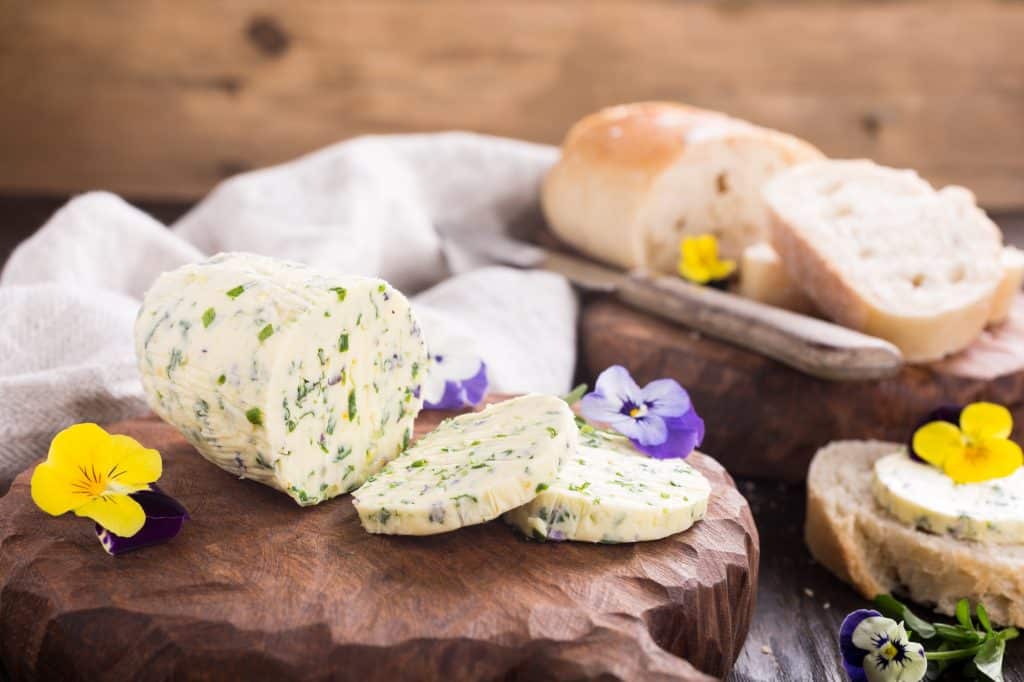
Herb butters offer another delicious avenue for preserving the flavors of your garden. The process is as simple as it is rewarding. Soften a stick of unsalted butter and mix it thoroughly with finely chopped herbs of your choice. Some classic combinations include garlic and parsley or rosemary and thyme. Once mixed, shape the butter into a log using plastic wrap or parchment paper, and refrigerate or freeze it. The next time you’re grilling a steak or making garlic bread, you’ll have herb butter ready to enhance your dish.
Crafting Homemade Herb Seasonings
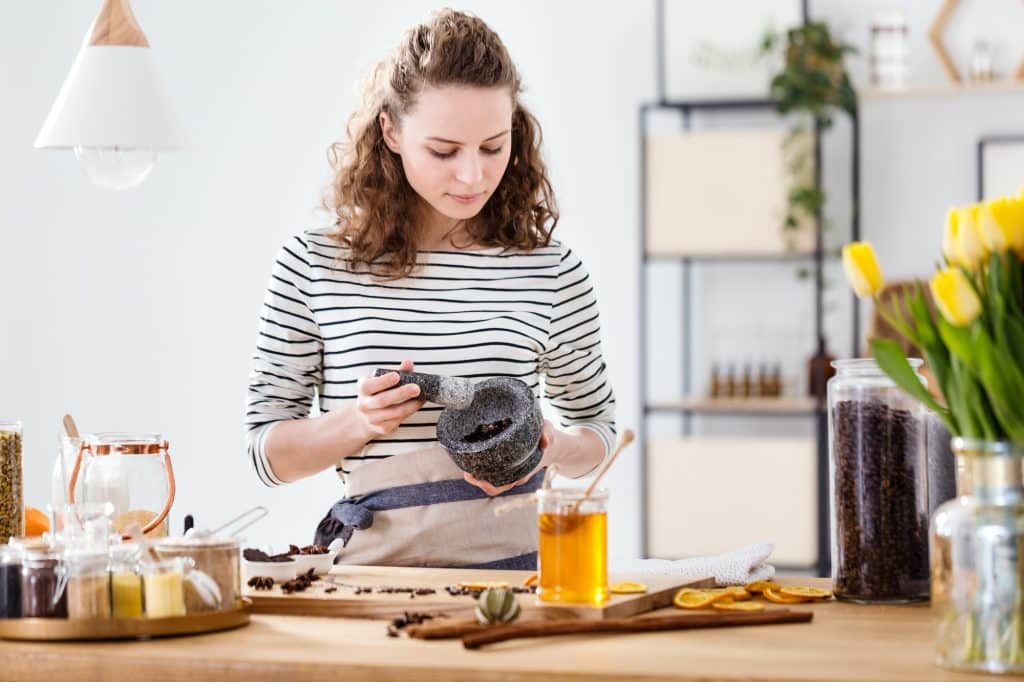
If the aroma of freshly ground spices excites your senses, then crafting homemade herb seasonings is right up your alley. Custom spice blends allow you to mix and match herbs according to your culinary needs. You’re in complete control of the flavors and can make adjustments to suit your specific taste. Popular herb combinations include Italian seasoning, made with oregano, basil, and thyme, or a Provençal mix with lavender, sage, and fennel. To make your seasoning, simply dry your chosen herbs, grind them using a pestle and mortar or a dedicated coffee grinder, and store them in an airtight container.
Besides offering you unlimited creative freedom, homemade herb seasonings have practical benefits. They are devoid of the fillers and preservatives found in many commercial blends, making them a healthier option. Plus, these custom spice blends make excellent gifts for friends and family. Imagine handing out jars of your homegrown, handcrafted seasoning mix at the next family gathering; it’s a gift from the heart and the garden, all in one.
Canning And Pickling Herbs
The words’ canning’ and ‘pickling’ often evoke images of rows upon rows of jars filled with summer’s bounty, waiting to be enjoyed in the heart of winter. And rightfully so, as these methods are excellent for long-term preservation. Canning herbs usually involve submerging them in hot, boiling liquid—often a brine or oil—then sealing them in sterilized jars. The vacuum seal created during the cooling process helps preserve the herbs and keeps bacteria at bay. Make sure to sterilize the jars and lids in boiling water before using them to ensure a safe canning experience.
Pickling herbs adds a tangy, vinegary twist to their profile, perfect for salads, sandwiches, and antipasto platters. To pickle your herbs, prepare a brine solution using vinegar, water, and sometimes sugar or salt. After adding your herbs to sterilized jars, pour the hot brine over them and seal the jars. Store the jars in a cool, dark place for optimal shelf life. Keep in mind that canning and pickling require meticulous attention to cleanliness and procedure to ensure the end products are safe for consumption.
Labeling And Storing Preserved Herbs
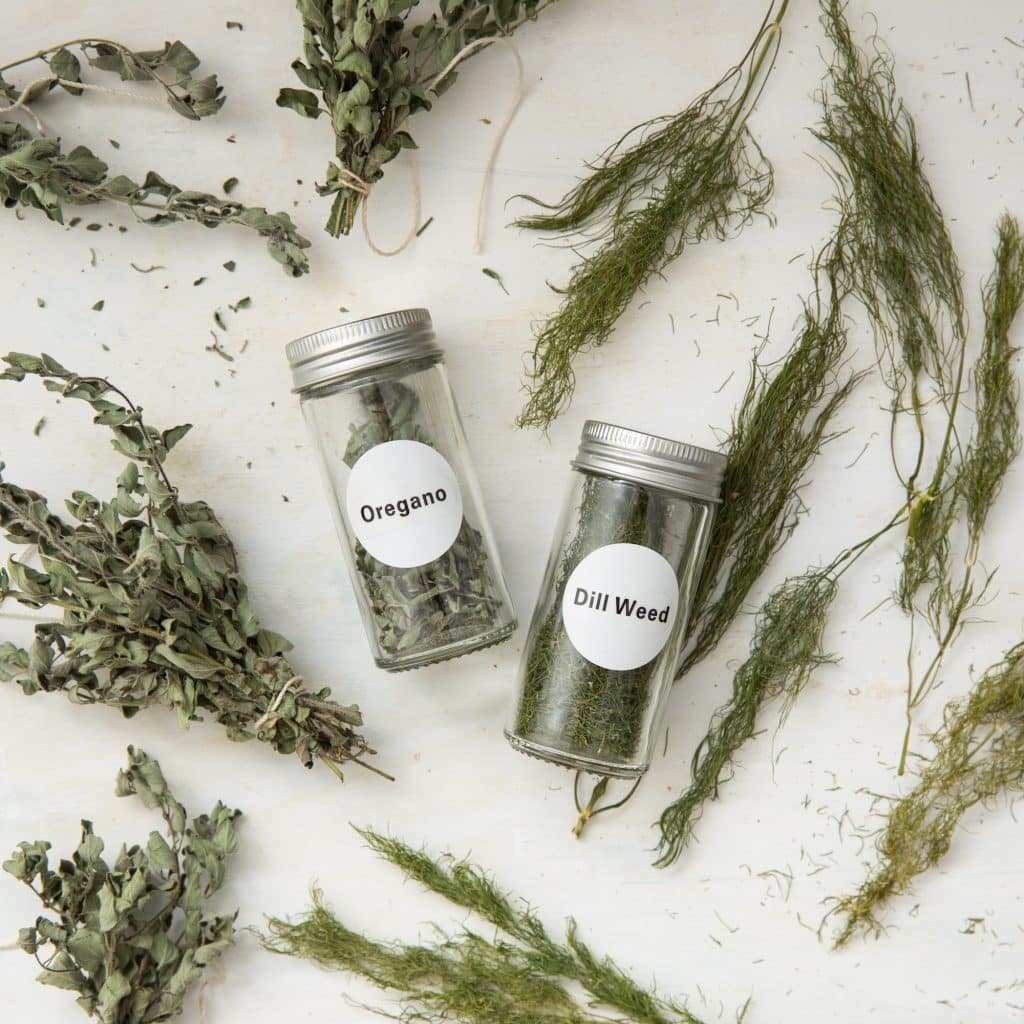
Now that you’ve put in all this work to preserve your herbs, don’t forget the crucial last step—labeling and storing them correctly. A label should include not only the type of herb but also the preservation method used and the date it was preserved. This helps you easily identify what you need when you’re in the middle of cooking and ensures you use your oldest preserves first. Proper labeling eliminates guesswork, making your cooking experience smoother and more enjoyable.
As for storage, each preservation method has its own set of guidelines. Dried herbs are best stored in airtight containers away from direct sunlight and moisture. Frozen herbs should remain in the freezer until needed, and canned or pickled herbs must be kept in a cool, dark place. Following these storage guidelines ensures that the quality of your preserved herbs remains high, allowing you to enjoy the fruits of your labor for many meals to come.
Start Preserving Your Herbs Today!
Your garden offers not just a seasonal delight but a year-round supply of flavor if you know how to preserve its bounty. With methods ranging from traditional drying to canning and pickling, you’ve got an arsenal of techniques at your disposal. Following this comprehensive guide ensures that each sprig of rosemary, leaf of basil, or bunch of thyme serves you well beyond its natural lifespan. So let this post be your go-to guide for making the most out of your herbal abundance, and may your culinary endeavors be ever-fragrant and flavorful!
I put my freshly picked herbs in paper bags. The paper bag absorbs the moisture and when they are completely dry I then jar them.