

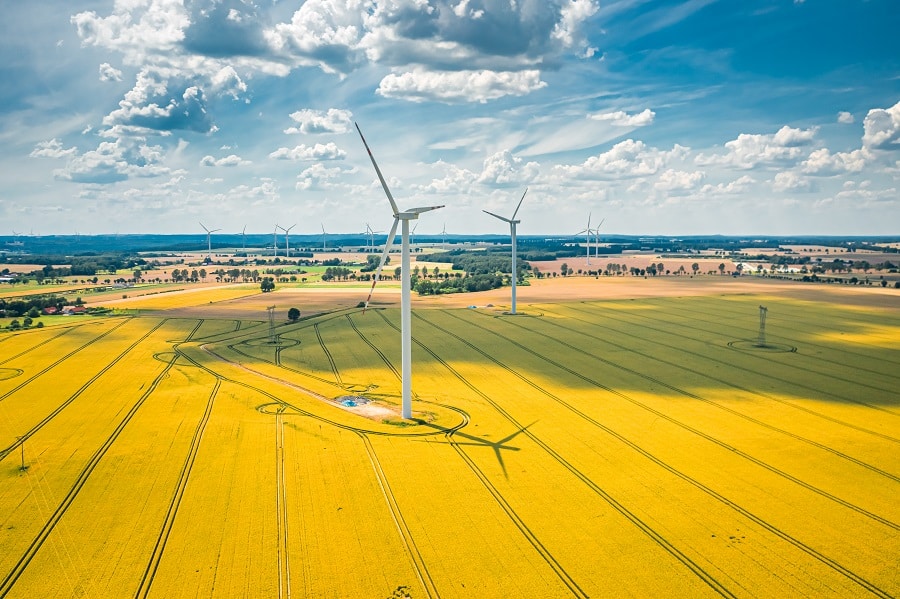
Hydroelectric Energy
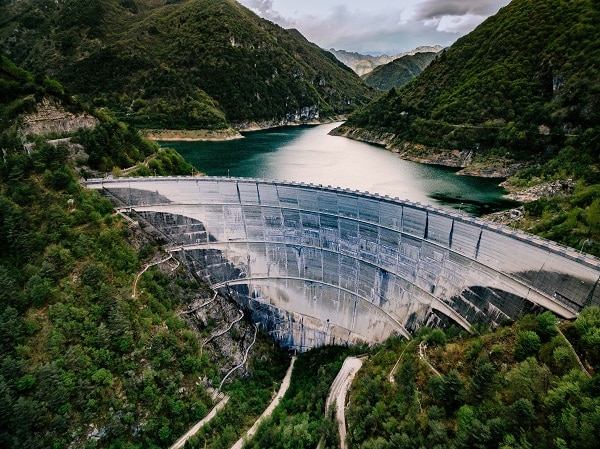
Hydroelectric energy generates energy by harnessing the power of flowing water, making it a renewable and reliable energy source. Hydroelectric plants have low operational costs, and some facilities also offer the potential for energy storage through pumped-storage systems. This energy storage capability can help balance energy supply and demand, ensuring a more stable power grid.
Despite its benefits, hydroelectric energy also has some disadvantages. High upfront costs for dam construction and associated infrastructure can be a significant barrier to entry. Additionally, hydroelectric projects can have substantial environmental impacts, such as altered water flow patterns, disrupted ecosystems, and reduced water quality. Moreover, the construction of large dams may lead to the displacement of local communities and the flooding of culturally significant sites.
Geothermal Energy
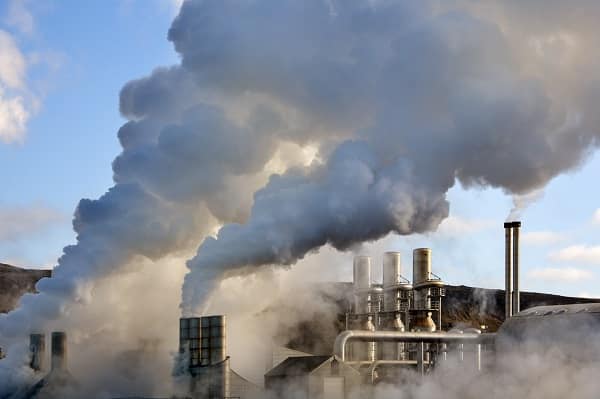
Geothermal energy taps into the Earth’s natural heat, providing a renewable and constant source of energy with low emissions. Due to its continuous availability, geothermal energy can offer a stable base load for power grids. Additionally, operational costs for geothermal power plants are relatively low compared to other alternative energy sources such as solar and wind.
However, geothermal power plants can be limited to certain regions due to their reliance on natural underground heat sources. Moreover, the construction of wells and associated infrastructure can have a significant environmental impact, including air pollution from emissions and the potential for seismic activity. Finally, some countries may not have access to suitable geothermal resources, making it a less viable option.
Biomass Energy
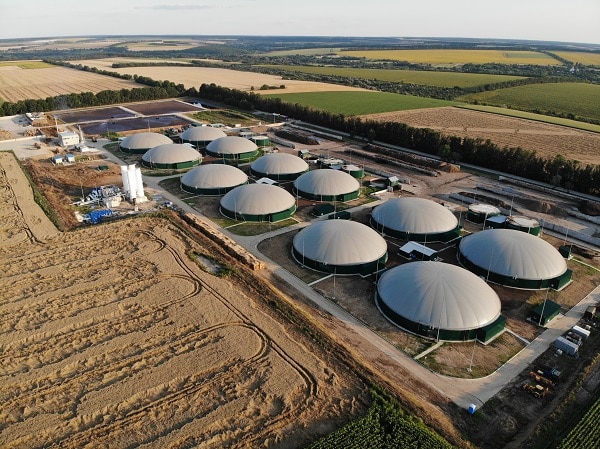
Biomass energy involves using organic materials such as plants, wood, and waste to generate power. As a renewable energy source, biomass has the potential to reduce waste by converting it into useful energy, and its emissions are relatively low compared to fossil fuels. Additionally, biomass energy can contribute to rural economic development by creating job opportunities in the agricultural sector. This can be especially true in developing countries, where biomass can be an essential energy source.
As appealing as this option may sound, there are also negative aspects to consider. Land use can be a concern, as biomass crops may compete with food crops for arable land, leading to increased food prices or deforestation. Moreover, the cultivation of biomass crops can result in monoculture practices, negatively affecting biodiversity and soil health. Lastly, while biomass energy has lower emissions than fossil fuels, it is not entirely carbon-neutral, as burning biomass releases carbon dioxide into the atmosphere.
Comparing Alternative Energy Sources
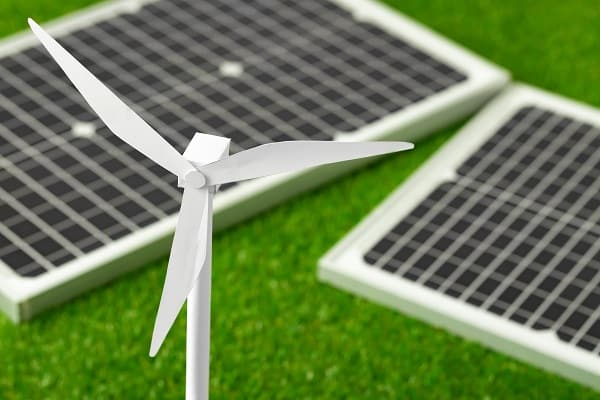
Each alternative energy source comes with its own set of pros and cons, making it crucial to evaluate them in the context of specific applications and locations. For instance, solar and wind energy may be more suitable for regions with abundant sunlight and wind resources. In contrast,
hydroelectric and geothermal power might be ideal for areas with appropriate water and geological conditions. The optimal mix of alternative energy sources will depend on factors such as resource availability, local climate, and infrastructure requirements.
Should The World Transition To Alternative Energy Sources?
Transitioning to alternative energy sources is essential for mitigating climate change and ensuring a sustainable future. By understanding the advantages and disadvantages of each energy source, you can take part in making informed decisions on the best path forward. It is crucial to weigh the pros and cons of each option to create a diverse and resilient energy portfolio that meets the world’s current needs without compromising the well-being of future generations.