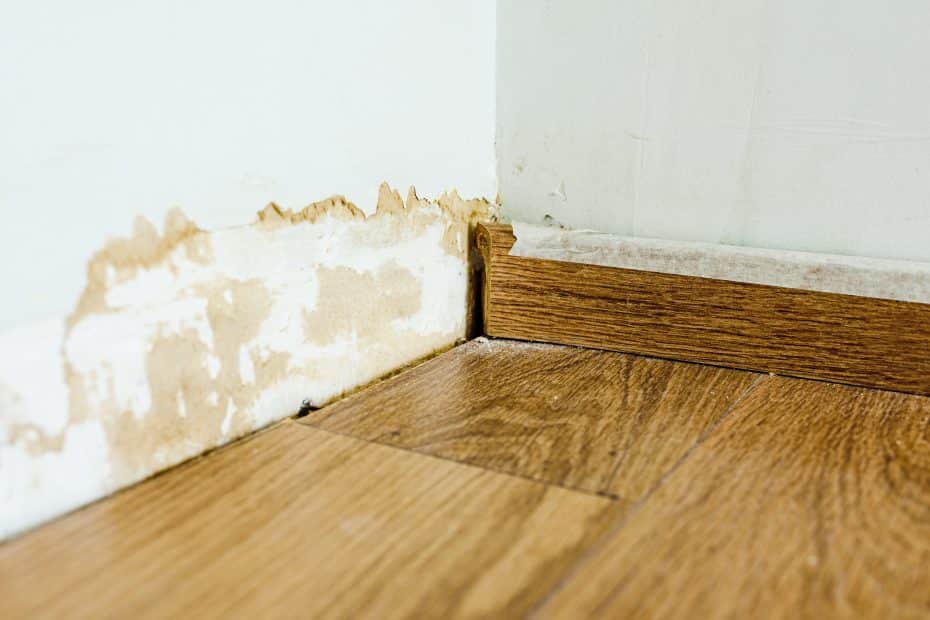
Mold can be a huge problem in homes, especially during the colder months when windows are closed and moisture levels are high. If you have been struggling with mold in your home, don’t worry – this article is the perfect guide to help remove it! In it, you will learn everything you need about mold removal, including the different methods and supplies you will need. It also provides helpful tips for preventing mold from returning after removal. Let’s get started!
Contents
The Common Types Of Mold You May Encounter
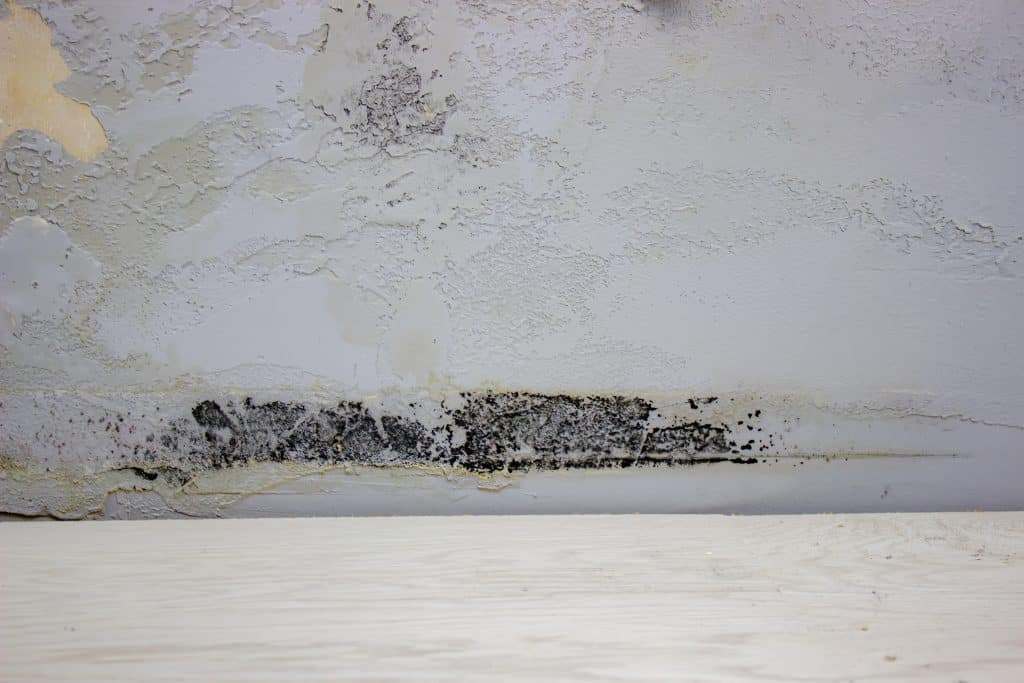
While there are technically thousands of types of mold, a few common ones frequently appear in homes. These include:
Cladosporium
Cladosporium mold is a fungus commonly found on dead leaves, wood, and other organic matter. While it is not harmful to humans, it can cause allergic reactions in some people. Cladosporium mold can also break down cellulose, making it a useful tool in recycling. However, this mold can also cause severe damage to buildings and other structures.
When Cladosporium mold grows on painted surfaces, it can discolor the paint and cause it to blister. In addition, mold can damage insulation and drywall. As a result, removing any Cladosporium growth from your home as soon as possible is essential.
Aspergillus
Aspergillus is a mold genus that includes food spoilage and black mold. Many species of Aspergillus are harmless, but some can cause respiratory infections, especially in people with weakened immune systems. A. fumigatus is one of the most common and widespread species of Aspergillus, and it is also one of the most dangerous to human health.
Aspergillus mold is typically on moist organic materials like wood and paper. It can also grow on insulation and drywall in damp areas of your home. A. fumigatus produces a variety of toxins, including aflatoxins, which can cause liver damage.
Stachybotrys Atra
Stachybotrys Atra mold is a type of fungus that can be in buildings and homes. This mold is often green or black and can produce spores that can cause respiratory problems in humans. Stachybotrys Atra mold is in damp or wet areas, such as bathrooms or basements. It can also be in areas with water damage, such as from a leaky roof or a broken pipe.
If you suspect that you have Stachybotrys Atra mold in your home, it is vital to contact a professional who can remove the mold and clean the affected area. In some cases, Stachybotrys Atra mold can be deadly, so it is essential to take precautions to protect yourself and your family.
Methods For Removing Mold From Your Home
By understanding the types of mold that may be present in your home, you can better decide on the best removal method. Here are some common techniques for removing mold:
Air Treatment
Air treatment is one of the most effective methods for removing mold from your home. Air treatment is a safe, effective way to remove mold from your home and keep your family healthy. Using an air purifier with a HEPA filter can remove mold spores from the air and prevent them from settling on surfaces in your home. In addition, running an air purifier can create a negative pressure environment that prevents mold spores from entering your home.